
 Doc Summary

Learning Portfolio 3 Good Practice Examples Urban Community Gardening & Urban Nature
Environmental Education and Community Engagement in Berlin
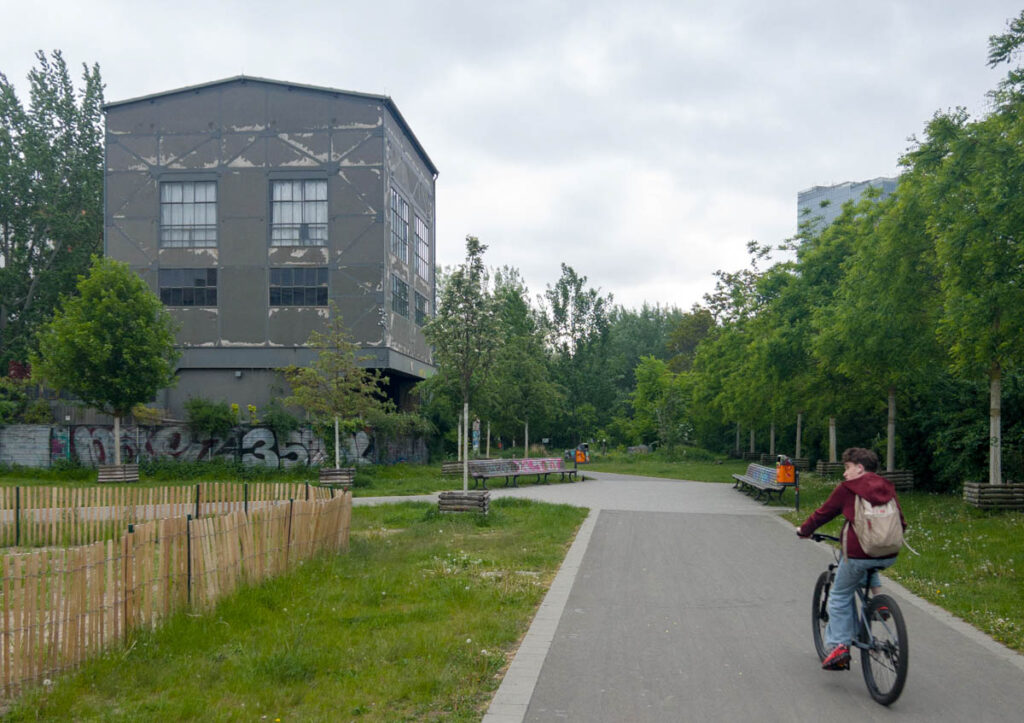
📍 Location: Helsingforser Straße 10, 10243 Berlin, Germany, at the former railway engine shed (Lokschuppen) in Wriezener Park, Friedrichshain-Kreuzberg
🔗 Main source: https://nirgendwo-berlin.de/
🔗 Additional sources:
https://nirgendwo-berlin.de/der-ort/
https://nirgendwo-berlin.de/nachhaltigkeit/
https://nirgendwo-berlin.de/netzwerk/
https://nirgendwo-berlin.de/projekte/urban-gardening/
https://nirgendwo-berlin.de/alle_angebote/
https://nirgendwo-berlin.de/programm/
https://nirgendwo-berlin.de/?p=12737
Introduction #
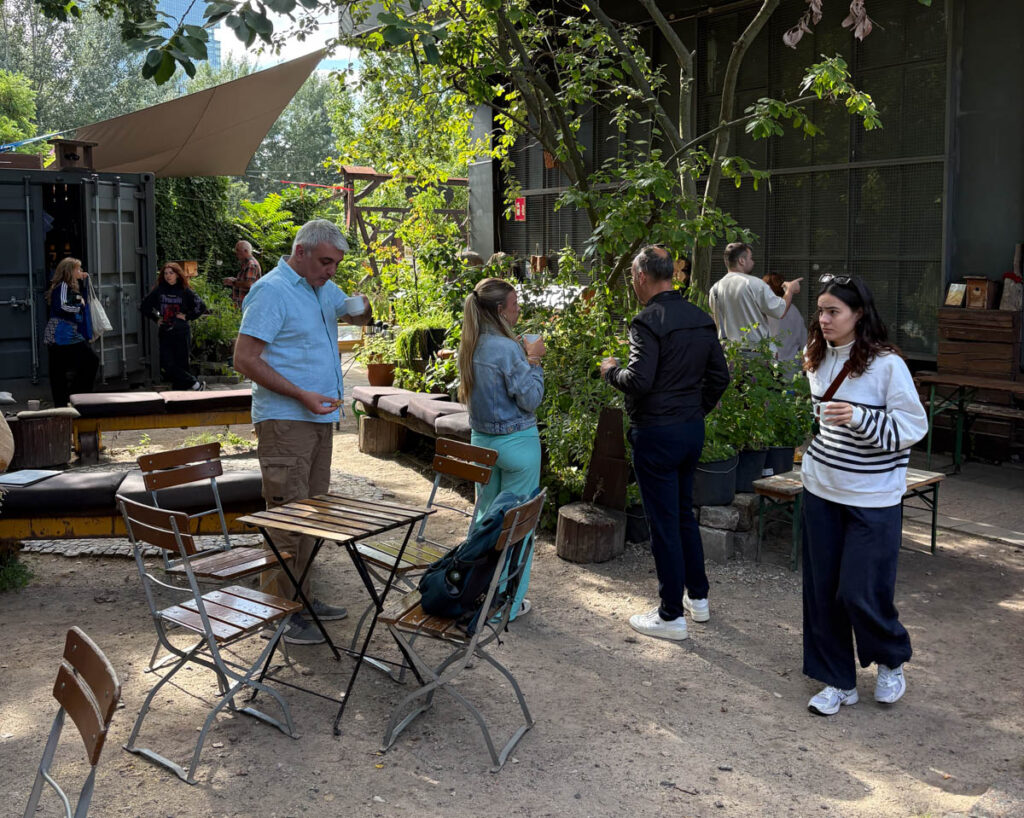
NIRGENDWO is a non-profit and sustainable urban nature, environmental education and cultural centre located in the former railway engine shed in Wriezener Park in Berlin. The project combines a place for urban nature and biodiversity with an experiential learning environment, a cultural venue and a sustainably managed event location. Its work focuses on biodiversity in the city, climate-conscious urban development, environmental and sustainability education, culture, community engagement and human well-being.
The project is closely connected to the surrounding green space and to a wider local network of residents, initiatives, educational institutions, public authorities and environmental organisations. Since 2015, NIRGENDWO has been actively involved in the care and nature-oriented development of the green area around the former Lokschuppen. The open BUND working group for Lokschuppen and Wriezener Park provides a practical platform for residents and other stakeholders to participate in gardening, maintenance, clean-ups, biodiversity measures and the development of longer-term solutions in cooperation with the district.
NIRGENDWO therefore provides a useful Good Practice example for the New European Bauhaus and the Quintuple Helix perspective: social participation, public cooperation, environmental action, education and economic activities are brought together around one physical place.
Context:
NIRGENDWO combines urban biodiversity, community engagement, environmental education, culture and sustainable event management. Its approach demonstrates how an existing urban place can become a multifunctional resource for ecological, social, educational and economic development. The project also shows how a local network can connect citizens, civil-society organisations, public authorities, educational actors and businesses around shared sustainability objectives.
Learning Objectives:
Understand how an urban community project can integrate social, political, environmental, educational and economic dimensions.
Identify practical approaches for strengthening biodiversity and climate resilience in dense urban environments.
Explore how participation, networking and cooperation with public authorities can support community-based urban development.
Recognise how environmental education and practical activities can enable people and organisations to contribute to sustainable urban change.
Session Plan:
Introduction to NIRGENDWO and the Quintuple Helix perspective (15 min)
Case study analysis: NIRGENDWO – Berlin (30 min)
Workshop: identifying transferable approaches for a sustainable community project (45 min)
Reflection and feedback (30 min)
NEB Principles Identified in the Example #
Sustainability
Sustainability is central to NIRGENDWO’s identity and operations. The project describes itself as a sustainable and non-profit enterprise working for more biodiversity in urban nature, climate-conscious urban development and human health. Its sustainability strategy includes resource-conscious operations, the protection of existing habitats, nature-oriented gardening, biodiversity measures, sustainable events and the ambition to move towards a zero-waste operation.
Inclusion
Inclusion is reflected in NIRGENDWO’s commitment to diversity, equal treatment and a respectful environment. The project describes itself as a Safer Space and explicitly rejects discrimination, racism, violence and exclusion. Its activities address different groups including children, young people, families, adults, schools, kindergartens, businesses and local initiatives, while the site itself is accessible and equipped with a wheelchair-accessible toilet.
Aesthetics
Aesthetics at NIRGENDWO emerges from the combination of the historic former Lokschuppen, urban greenery, gardens, biodiversity features and cultural activities. The place brings together a cultural stage and an urban-nature learning environment, creating a distinctive setting in which art, culture and nature can be experienced together.
✅ What the Sectors Can Learn: Urban Community Projects (Quintuple Helix-Oriented)
🌍 Environment #
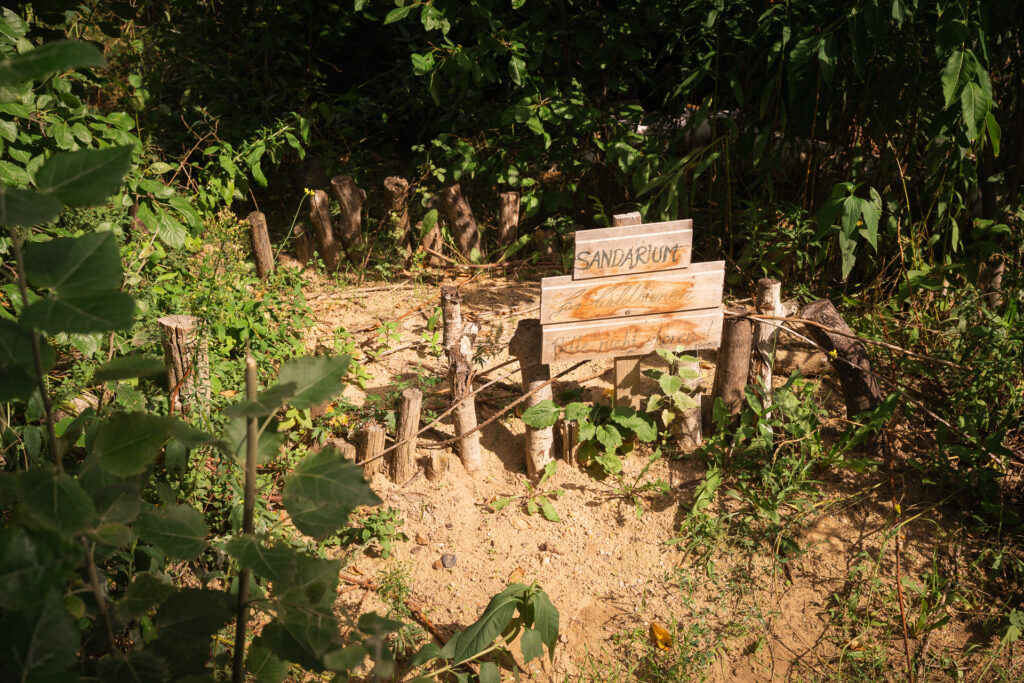
NIRGENDWO demonstrates how biodiversity and climate resilience can be supported through small-scale, practical measures embedded in everyday urban spaces.
Small ecological islands can strengthen urban biodiversity #
Lesson: NIRGENDWO creates and promotes habitats such as insect nesting aids, butterfly areas, biodiversity-oriented planting and other ecological structures in and around the site.
→ Adaptation: Urban projects can treat small green areas, gardens, balconies, façades and other available spaces as parts of a wider ecological network rather than as isolated decorative areas.
→ Example Implementation: Map existing green spaces and identify opportunities for native planting, nesting structures, water provision and other biodiversity measures.
→ Practical Step: Begin with one small area and introduce a clearly defined biodiversity measure that can be maintained by local participants.
Nature-oriented maintenance can support climate resilience #
Lesson: The Wriezener Park working group focuses on robust, low-maintenance and ecologically valuable flora and fauna, water management and climate-adapted green-space design.
→ Adaptation: Community projects can integrate biodiversity and climate adaptation into routine maintenance rather than treating them as separate activities.
→ Example Implementation: Develop shared maintenance standards for gardens and public green spaces, with particular attention to water use, resilient planting and habitats.
→ Practical Step: Identify the most resource-intensive maintenance tasks and replace them where possible with lower-resource, nature-oriented practices.
Existing urban green infrastructure can become a learning resource #
Lesson: NIRGENDWO uses the site and the surrounding park as an experiential learning environment where people can observe flora, fauna, gardens and biodiversity measures directly.
→ Adaptation: Other projects can combine ecological improvements with interpretation, guided activities and opportunities for hands-on participation.
→ Example Implementation: Add simple information boards, workshops or guided walks explaining the ecological functions of existing measures.
→ Practical Step: Select three visible biodiversity features and develop short explanations or activities that help visitors understand their purpose.
👥 Society #
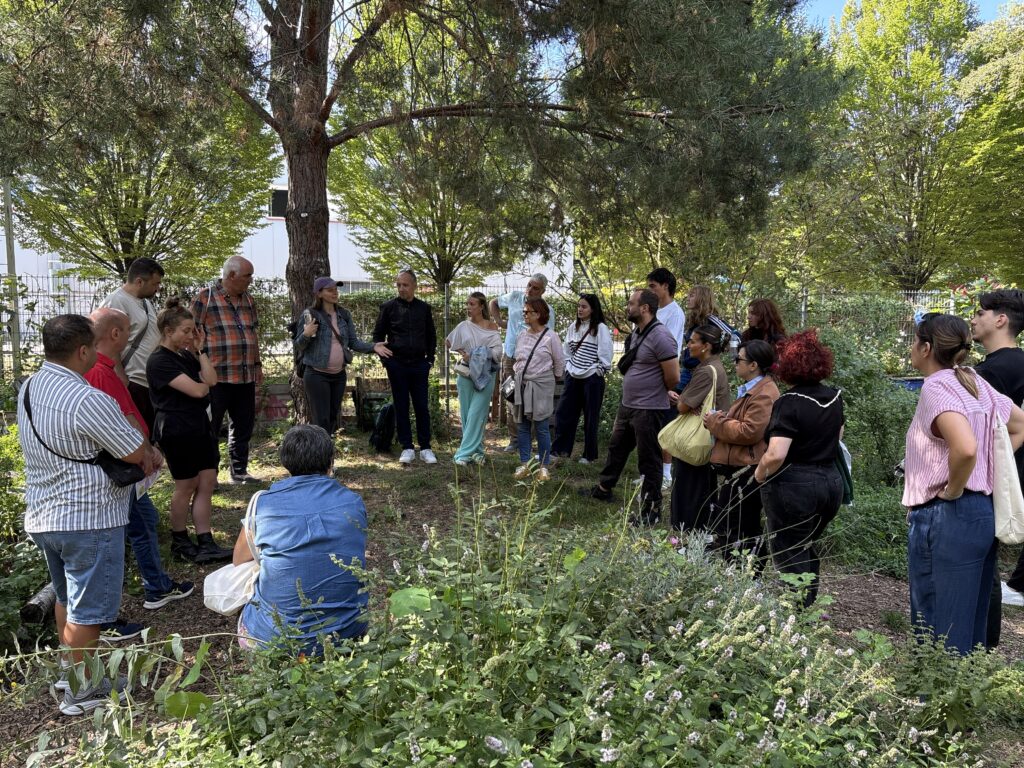
NIRGENDWO shows how a shared place can create opportunities for encounter, participation, networking and inclusive community life.
Accessible meeting places strengthen local community networks #
Lesson: The Gemeinwohl-Café and other activities provide an open place for neighbourhood residents, networks and people who are curious about the project to meet, exchange ideas and connect.
→ Adaptation: Community projects should provide regular, low-threshold opportunities for people to meet without requiring specialist knowledge or formal membership.
→ Example Implementation: Establish a recurring café, open day or community meeting with affordable or free participation.
→ Practical Step: Schedule a regular open meeting and invite local initiatives, residents and potential partners.
Participation can create shared responsibility for public space #
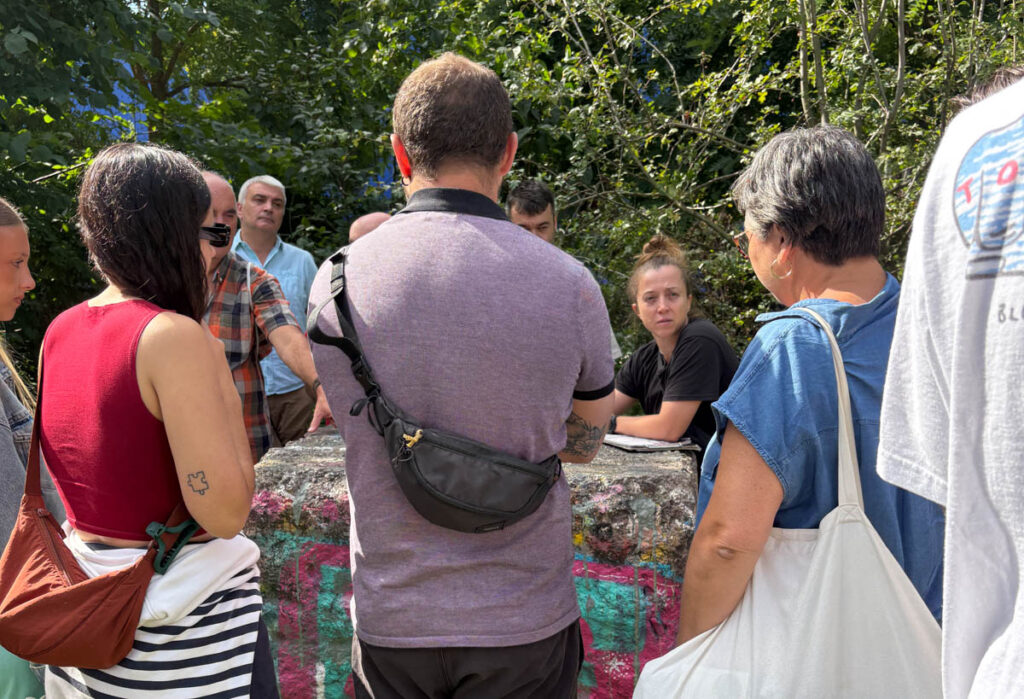
Lesson: The open Wriezener Park working group enables residents and interested people to participate directly in gardening, clean-ups, planting, watering and other activities.
→ Adaptation: Projects should provide concrete tasks through which people can see the effect of their contribution.
→ Example Implementation: Organise recurring hands-on sessions with simple entry points for new participants.
→ Practical Step: Create a list of small tasks that can be completed during a two-hour community activity.
Inclusion and respectful interaction are part of sustainability #
Lesson: NIRGENDWO explicitly links sustainability with diversity, equal treatment, respect and safety, and describes its activities as an inclusive environment for people with different backgrounds and abilities.
→ Adaptation: Community projects should define clear principles for respectful interaction and make them visible to staff, volunteers and visitors.
→ Example Implementation: Develop a short code of conduct and awareness guidance for events and community activities.
→ Practical Step: Discuss the principles with the team and volunteers and make them accessible to all participants.
🏛️ Politics #
NIRGENDWO illustrates how community initiatives can cooperate with public authorities and civil-society organisations to address local environmental and social challenges.
Cooperation with public authorities can support long-term urban change #
Lesson: NIRGENDWO works with the district’s departments for green spaces, environment and nature conservation and culture, as well as with the BUND and other local actors.
→ Adaptation: Community projects should identify the relevant public bodies early and establish practical communication channels rather than working in isolation.
→ Example Implementation: Invite relevant municipal departments to selected project meetings, site visits or joint activities.
→ Practical Step: Create a stakeholder map showing which public authority is responsible for each relevant issue.
Open participation can connect citizens with local governance #
Lesson: The Wriezener Park working group is open to everyone and aims to identify challenges, develop solutions in the public interest and coordinate them with the district administration.
→ Adaptation: Participation works best when citizens can contribute both practical knowledge and ideas for future development.
→ Example Implementation: Combine regular community activities with structured discussions about current problems and possible solutions.
→ Practical Step: Record key observations and agreed proposals after each meeting and share them with the relevant stakeholders.
Local history and participation can inform future planning #
Lesson: NIRGENDWO is documenting the transformation of the Wriezener Park from an industrial and railway site into an urban green space and is collecting memories, photographs and documents from local witnesses.
→ Adaptation: Urban projects can use local history and community knowledge to understand how places have changed and how residents have influenced them.
→ Example Implementation: Organise oral-history meetings, exhibitions or neighbourhood documentation projects.
→ Practical Step: Invite local residents to contribute stories, photographs or documents and make the collected material accessible to the community.
💶 Economy #
NIRGENDWO combines non-profit, educational and cultural activities with professional event-management services, creating an organisational model in which economic activity supports wider sustainability objectives.
Economic activity can support social and environmental objectives #
Lesson: NIRGENDWO combines the roles of environmental education centre, cultural venue and professional multifunctional event location. Its commercial events can benefit from the site’s educational and inspirational character, while educational and non-profit activities benefit from professional event structures.
→ Adaptation: Community projects can consider complementary income-generating activities that are compatible with their social and environmental mission.
→ Example Implementation: Develop services, workshops, rentals or events that generate income while following the project’s sustainability principles.
→ Practical Step: Identify which existing resources, skills or spaces could support mission-compatible services.
Resource-efficient management strengthens organisational resilience #
Lesson: NIRGENDWO emphasises resource-conscious operations and sustainable event management, including reduced use of disposable products and careful use of available resources.
→ Adaptation: Community projects can reduce operating costs and environmental impacts by integrating resource efficiency into everyday management.
→ Example Implementation: Establish clear rules for materials, energy, waste, catering and event logistics.
→ Practical Step: Track a small number of resource indicators and review them regularly.
Networks can create shared economic and organisational value #
Lesson: NIRGENDWO’s network connects environmental organisations, public authorities, educational actors, local initiatives and other partners, while the site provides space for joint activities.
→ Adaptation: Partnerships can allow community projects to share knowledge, facilities, contacts and expertise instead of duplicating resources.
→ Example Implementation: Develop a local partnership network with clearly defined contributions from each participant.
→ Practical Step: Identify three potential partners whose skills, space or services complement the project’s own resources.
🎓 Education #
NIRGENDWO operates as an experiential learning place where environmental knowledge is connected with direct observation, practical activities, workshops and community participation.
Experiential learning makes sustainability tangible #
Lesson: NIRGENDWO offers guided tours, workshops and hands-on activities dealing with biodiversity, urban nature, climate and sustainability.
→ Adaptation: Community projects should use their physical environment as a learning resource and combine explanation with practical experience.
→ Example Implementation: Develop short outdoor learning activities around existing gardens, habitats or biodiversity features.
→ Practical Step: Design one activity in which participants observe, discuss and directly improve one aspect of the local environment.
Education can reach different target groups through tailored formats #
Lesson: NIRGENDWO provides offers for school and kindergarten groups, families, adults and companies, adapting environmental and biodiversity education to different audiences.
→ Adaptation: Learning activities should reflect the prior knowledge, interests and practical possibilities of each target group.
→ Example Implementation: Develop separate formats for schools, families, volunteers and businesses around the same sustainability topic.
→ Practical Step: Define the target group, learning goal and suitable activity before designing a workshop.
Education can enable practical action beyond the project site #
Lesson: NIRGENDWO’s offers include practical approaches for businesses and individuals to promote biodiversity in their own surroundings, including small urban spaces.
→ Adaptation: Learning should provide participants with realistic actions that they can implement after leaving the project site.
→ Example Implementation: Combine each educational activity with a simple take-home action or small project.
→ Practical Step: End each workshop by asking participants to identify one biodiversity or sustainability measure they can implement in their own environment.
🔧 Practical Steps for Implementation #
Define a clear local sustainability challenge, such as biodiversity loss, limited community space or lack of environmental education.
Identify an existing urban space that can serve several functions, including community, educational, ecological or cultural activities.
Map local stakeholders, including residents, initiatives, schools, businesses, environmental organisations and relevant public authorities.
Create low-threshold opportunities for participation through regular open activities, workshops, gardening or clean-up sessions.
Develop practical biodiversity measures that fit the available space and can be maintained with realistic resources.
Connect environmental improvements with education by explaining the ecological purpose of measures and involving participants directly.
Establish clear principles for inclusion, respectful interaction, safety and equal participation.
Explore mission-compatible economic activities that can support the project’s organisational sustainability without undermining its environmental and social objectives.
Document activities, participation and visible environmental outcomes to communicate impact and support future cooperation.
Review the project regularly with partners and participants and adapt activities according to local needs and experience.
Integrated Quintuple Helix Approach
The NIRGENDWO example shows that sustainable urban development can emerge from the interaction of several dimensions rather than from a single intervention. Community participation creates social engagement; cooperation with public authorities supports local governance; biodiversity measures strengthen the urban environment; education enables people to understand and reproduce sustainable practices; and mission-compatible economic activities provide organisational and professional resources. The value of the approach lies in connecting these dimensions around a shared place and common sustainability objectives.
✅ Transferability #
The NIRGENDWO approach can be transferred to:
Urban neighbourhoods seeking to strengthen biodiversity and climate resilience through small-scale green infrastructure.
Community groups and NGOs developing inclusive places for participation, gardening, learning and social interaction.
Schools, kindergartens and adult-learning providers seeking practical outdoor sustainability education.
Municipalities and public authorities looking for cooperative approaches to urban green-space management and civic engagement.
Businesses seeking practical ways to connect biodiversity, sustainability education and responsible event or workplace practices.
Cultural and community venues that want to combine cultural activities with environmental and social objectives.
Local networks seeking to connect residents, public institutions, environmental organisations, educational actors and businesses around shared sustainability goals.
Key transferable lesson:
A sustainable urban community project does not need to address every challenge through one organisation or one intervention. NIRGENDWO demonstrates the value of creating a place and a network in which different actors can contribute their knowledge, resources and practical skills. The approach is therefore transferable when the local context, available resources and responsibilities of the participating stakeholders are taken into account.
Disclaimer / Copyright Notice
This Good Practice example was developed on the basis of publicly available information published by NIRGENDWO Berlin on its official website and related official pages. The content has been structured and adapted for the BeCom Learning Portfolio and the analysis of the New European Bauhaus and Quintuple Helix dimensions. The interpretations and transferability suggestions are intended for educational and project-development purposes and should not be understood as official statements by NIRGENDWO.
All trademarks, organisation names and product names mentioned are acknowledged and remain the property of their respective owners.
Main source: https://nirgendwo-berlin.de/
Further official sources used include the NIRGENDWO pages on the place, sustainability, network, urban gardening, educational offers, programme and SDG implementation.
19.08.2026 BeCom Project Team