
 Doc Summary

GP1 Title: Zero Waste Germany – Circular Consumption & Waste Prevention Model #
📍 Location: Germany (nationwide approach with local initiatives)
🔗 Link: https://zerowastegermany.de/
🔗 Additional sources:
https://zerowasteeurope.eu/
https://www.umweltbundesamt.de/en/topics/waste-resources
Introduction #
Zero Waste Germany represents a growing movement and systemic approach to reducing waste generation and promoting circular consumption across the country. It combines national waste management systems, local zero-waste initiatives, and community-driven solutions to minimize resource use and environmental impact.
Germany is known for its advanced recycling infrastructure and structured waste separation system. However, the Zero Waste approach goes beyond recycling by focusing on prevention, reuse, and sustainable product design. Initiatives such as zero-waste shops, repair cafés, and community programs encourage citizens to rethink consumption patterns and actively participate in circular economy practices.
By integrating environmental responsibility with social awareness and economic innovation, Zero Waste Germany contributes to the transition toward regenerative and sustainable communities aligned with New European Bauhaus values.
Context
Zero Waste Germany is a national movement and practical model promoting waste prevention, reuse systems, and circular consumption. It combines policy frameworks, infrastructure, and community initiatives to reduce environmental impact and foster sustainable lifestyles. 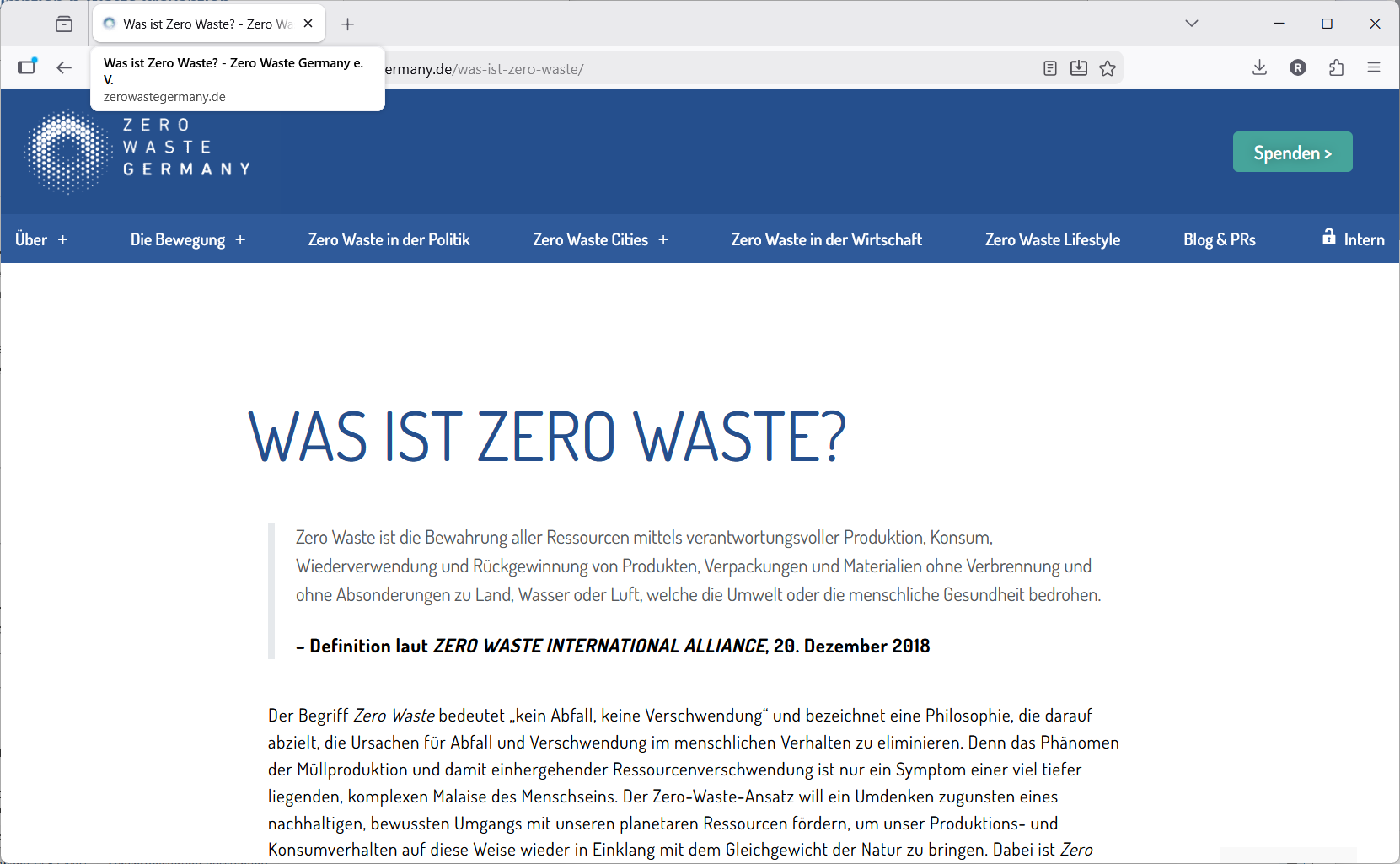
Learning Objectives
Understand zero-waste principles and circular economy strategies.
Analyse waste prevention and reuse systems in practice.
Promote behavioural change toward sustainable consumption.
Develop local zero-waste initiatives and circular solutions.
Session Plan
Introduction to zero-waste and circular economy (15 min)
Case study analysis: Zero Waste Germany (30 min)
Workshop: local zero-waste solutions (45 min)
Reflection and feedback (30 min)
✅ What the sectors can learn: Zero Waste & Circular Systems (QHM-Oriented)
🌍 Environment #
Zero Waste Germany demonstrates how waste prevention and circular systems can significantly reduce environmental impact.
Waste prevention reduces resource consumption
Lesson: The zero-waste approach prioritizes avoiding waste rather than managing it after generation.
→ Adaptation: Shift focus from recycling to prevention strategies in policy and practice.
→ Example Implementation: Businesses can reduce packaging and promote refill systems.
→ Practical Step: Identify major waste streams and redesign processes to eliminate them.
Circular systems reduce environmental pollution
Lesson: Reuse and recycling systems minimize landfill use and emissions.
→ Adaptation: Implement circular material flows in local systems.
→ Example Implementation: Cities can establish reuse centres and recycling hubs.
→ Practical Step: Develop local infrastructure for sorting, reuse, and repair.
Organic waste contributes to regenerative cycles
Lesson: Bio-waste is converted into compost and biogas.
→ Adaptation: Promote organic waste separation and reuse in agriculture.
→ Example Implementation: Municipalities can expand bio-waste collection systems.
→ Practical Step: Introduce composting programs and community gardens.
👥 Society #
Zero Waste Germany fosters awareness, participation, and social responsibility.
Awareness drives behavioural change
Lesson: Public campaigns and education initiatives encourage sustainable consumption.
→ Adaptation: Integrate awareness programs into schools and communities.
→ Example Implementation: NGOs can organize zero-waste workshops and campaigns.
→ Practical Step: Develop educational materials and communication strategies.
Community initiatives strengthen engagement
Lesson: Repair cafés and zero-waste groups promote participation and cooperation.
→ Adaptation: Support grassroots initiatives and local networks.
→ Example Implementation: Community centres can host repair and reuse events.
→ Practical Step: Create local zero-waste groups and volunteer networks.
Inclusive participation enhances impact
Lesson: Zero-waste initiatives are accessible to diverse social groups.
→ Adaptation: Ensure affordability and accessibility of sustainable solutions.
→ Example Implementation: Introduce community sharing systems.
→ Practical Step: Develop inclusive participation models.
🏛️ Politics #
Zero Waste Germany shows how governance supports circular economy transition.
Policy frameworks enable waste reduction
Lesson: Germany’s waste laws and EU directives support recycling and prevention.
→ Adaptation: Integrate zero-waste targets into policy frameworks.
→ Example Implementation: Governments can introduce waste reduction strategies.
→ Practical Step: Align local policies with EU circular economy goals.
Regulations support circular systems
Lesson: Packaging laws and recycling regulations drive system efficiency.
→ Adaptation: Strengthen regulations supporting reuse and reduction.
→ Example Implementation: Introduce incentives for zero-waste businesses.
→ Practical Step: Advocate for policy changes supporting circular economy.
Local governments play a key role
Lesson: Municipalities implement waste management systems and awareness campaigns.
→ Adaptation: Empower local authorities to lead circular initiatives.
→ Example Implementation: Cities can develop zero-waste strategies.
→ Practical Step: Engage municipalities in planning and implementation.
💶 Economy #
Zero Waste Germany creates economic opportunities through circular models.
Circular economy creates new business models
Lesson: Zero-waste shops and reuse services generate new markets.
→ Adaptation: Develop business models based on reuse and sustainability.
→ Example Implementation: Entrepreneurs can create refill stations and repair services.
→ Practical Step: Design circular business concepts targeting local needs.
Cost savings through waste reduction
Lesson: Reducing waste lowers production and disposal costs.
→ Adaptation: Focus on lifecycle efficiency in business operations.
→ Example Implementation: Companies can reduce packaging costs.
→ Practical Step: Conduct waste audits and cost analysis.
Local value chains increase resilience
Lesson: Local sourcing and reuse systems strengthen regional economies.
→ Adaptation: Promote regional supply chains.
→ Example Implementation: Support local producers and circular networks.
→ Practical Step: Build partnerships with local stakeholders.
🎓 Education #
Zero Waste Germany functions as a platform for learning and skills development.
Practical learning enables behaviour change
Lesson: Hands-on participation (sorting, reuse) fosters learning.
→ Adaptation: Use practical activities in education.
→ Example Implementation: Schools can implement zero-waste projects.
→ Practical Step: Develop experiential learning modules.
Education supports circular transition
Lesson: Awareness leads to long-term sustainable behaviour.
→ Adaptation: Integrate sustainability into curricula.
→ Example Implementation: Training programs on circular economy.
→ Practical Step: Create structured learning units.
Lifelong learning strengthens impact
Lesson: Programs target all age groups and sectors.
→ Adaptation: Provide continuous education opportunities.
→ Example Implementation: Community training programs.
→ Practical Step: Develop modular courses for different target groups.
🔧 Practical Steps for Implementation #
- Analyse waste streams, Identify key sources of waste
- Develop zero-waste strategy, Focus on prevention, reuse, and recycling
- Engage stakeholders, Include communities, businesses, and authorities
- Build infrastructure, Establish reuse, repair, and recycling systems
- Align with policy, Use EU and national frameworks
- Implement and monitor, Track progress and adapt strategies
✅ Transferability
This model is transferable to:
Cities and municipalities, Community initiatives, Retail and business sector, VET and education institutions, Circular economy projects
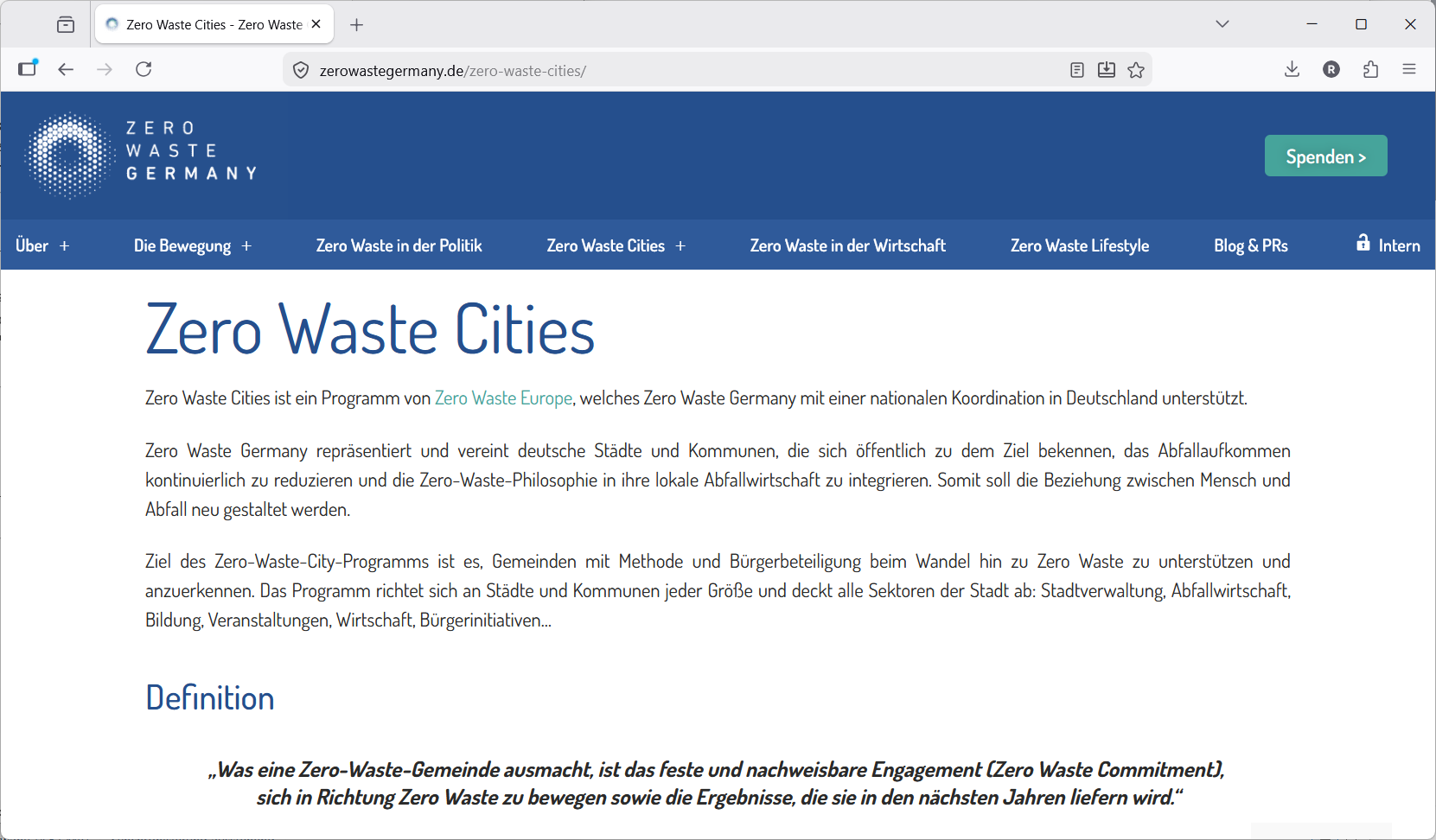
Appendix German Model
Waste Separation System in Germany (Zero Waste Context)
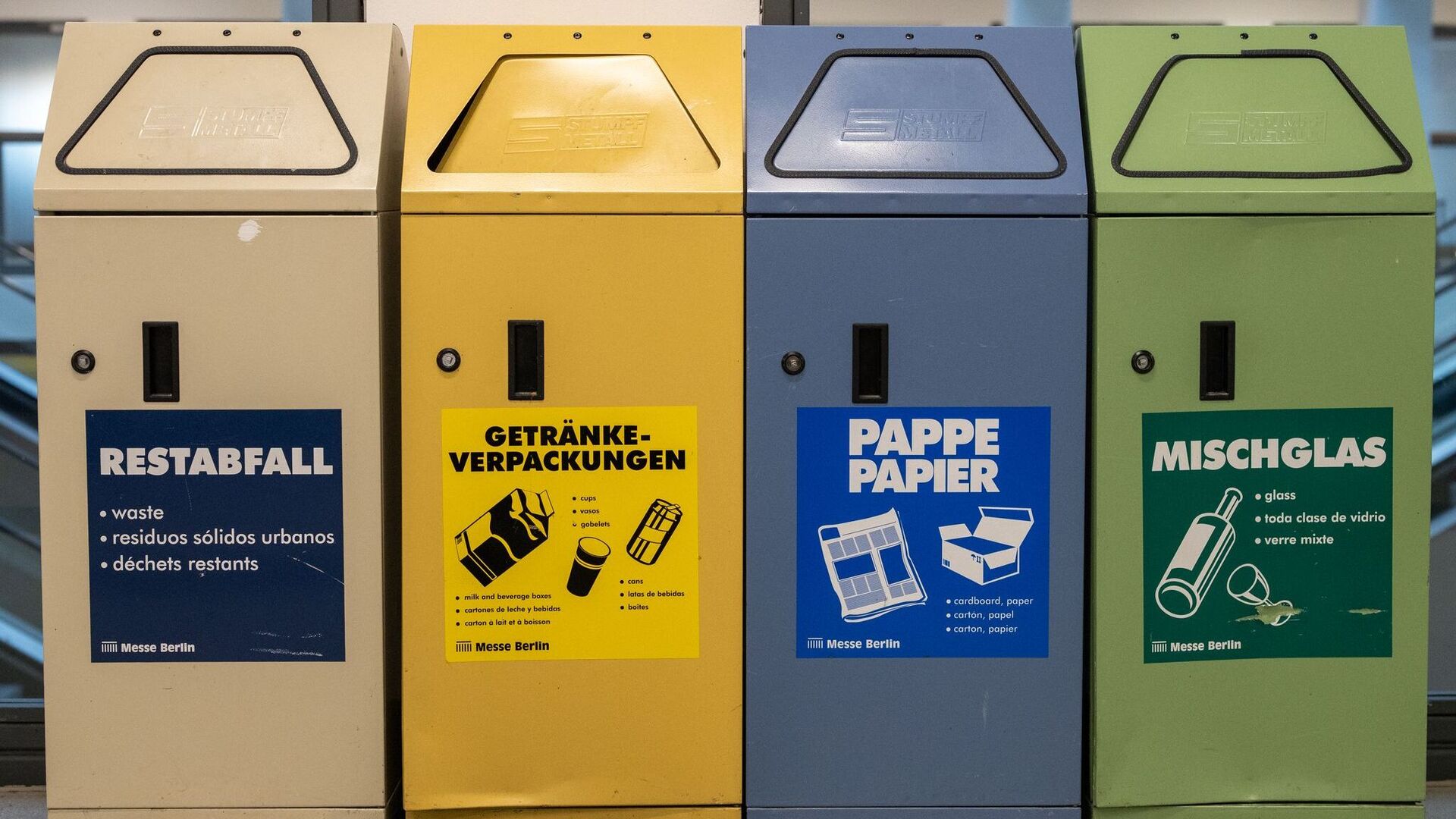
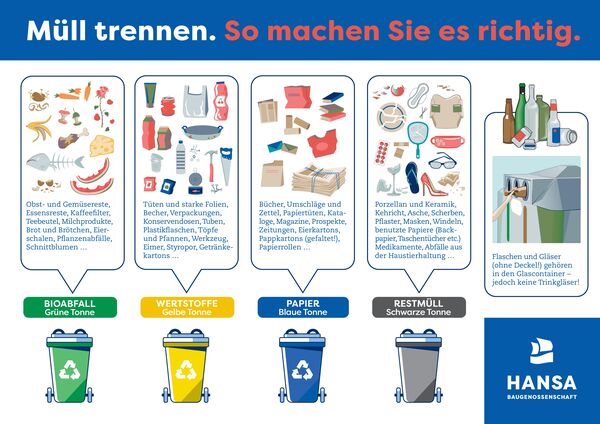
Germany has one of the most advanced waste management systems in the world. Waste separation is a key element of its approach to circular economy and resource efficiency.
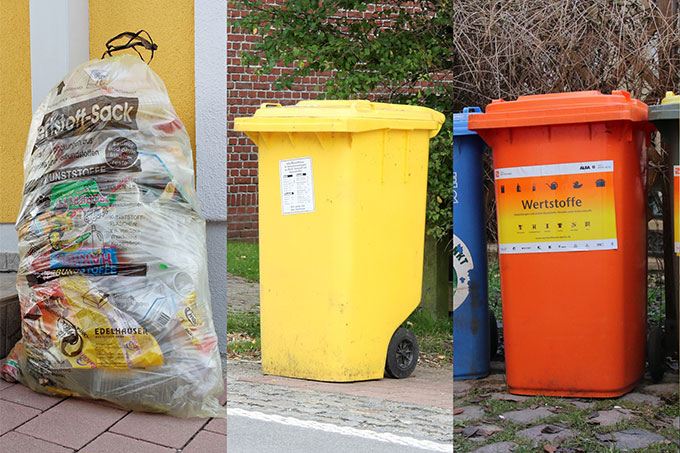
🟡 Yellow Bin / Yellow Bag (Packaging Waste)
4
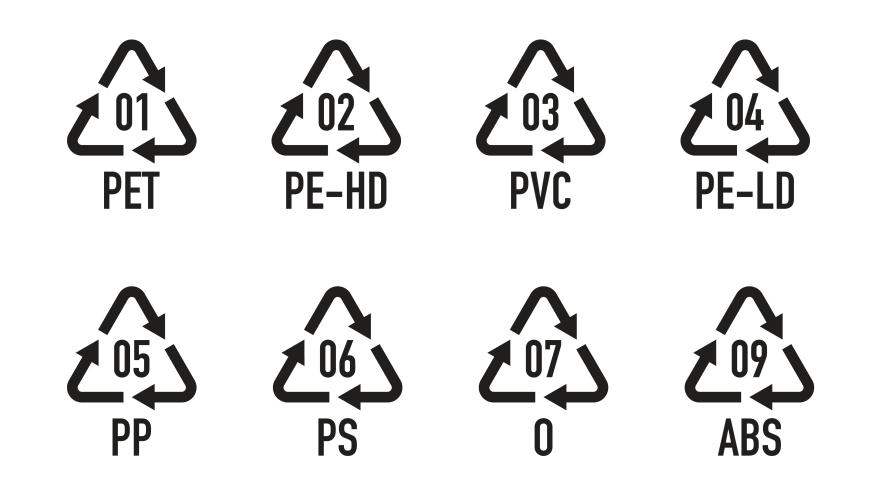
Used for:
- Plastic packaging (e.g., bottles, trays, wrappers)
- Metal packaging (cans, aluminum)
- Composite materials (e.g., Tetrapak)
Important:
- Only packaging is allowed
- No non-packaging plastics (e.g., toys)
👉 This system is part of the Dual System (Green Dot) for recycling packaging.
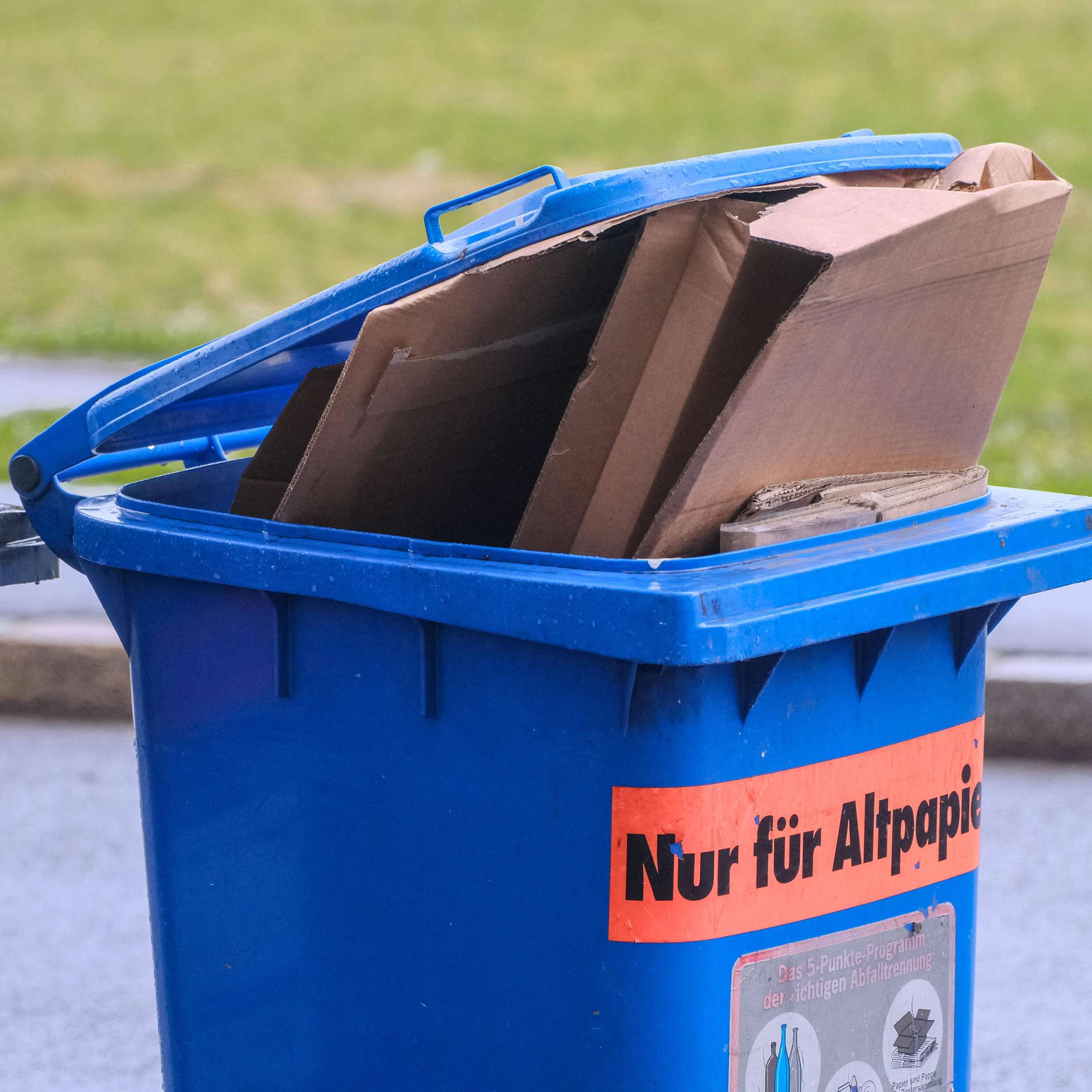
🔵 Blue Bin (Paper & Cardboard
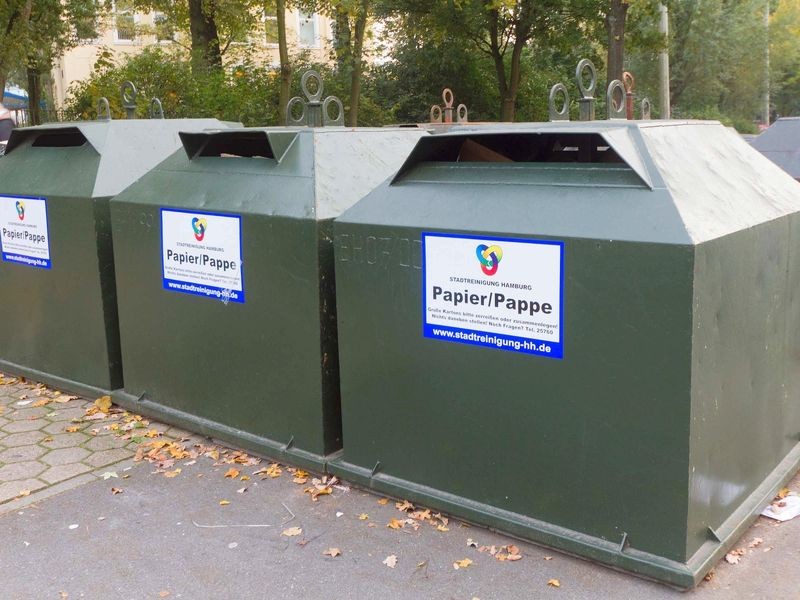
Used for:
- Paper
- Cardboard
- Newspapers
Important:
- No dirty or greasy paper (e.g., pizza boxes with oil)
👉 Paper recycling in Germany is highly efficient and widely implemented.
🟤 Brown Bin (Organic Waste / Bio-Waste)
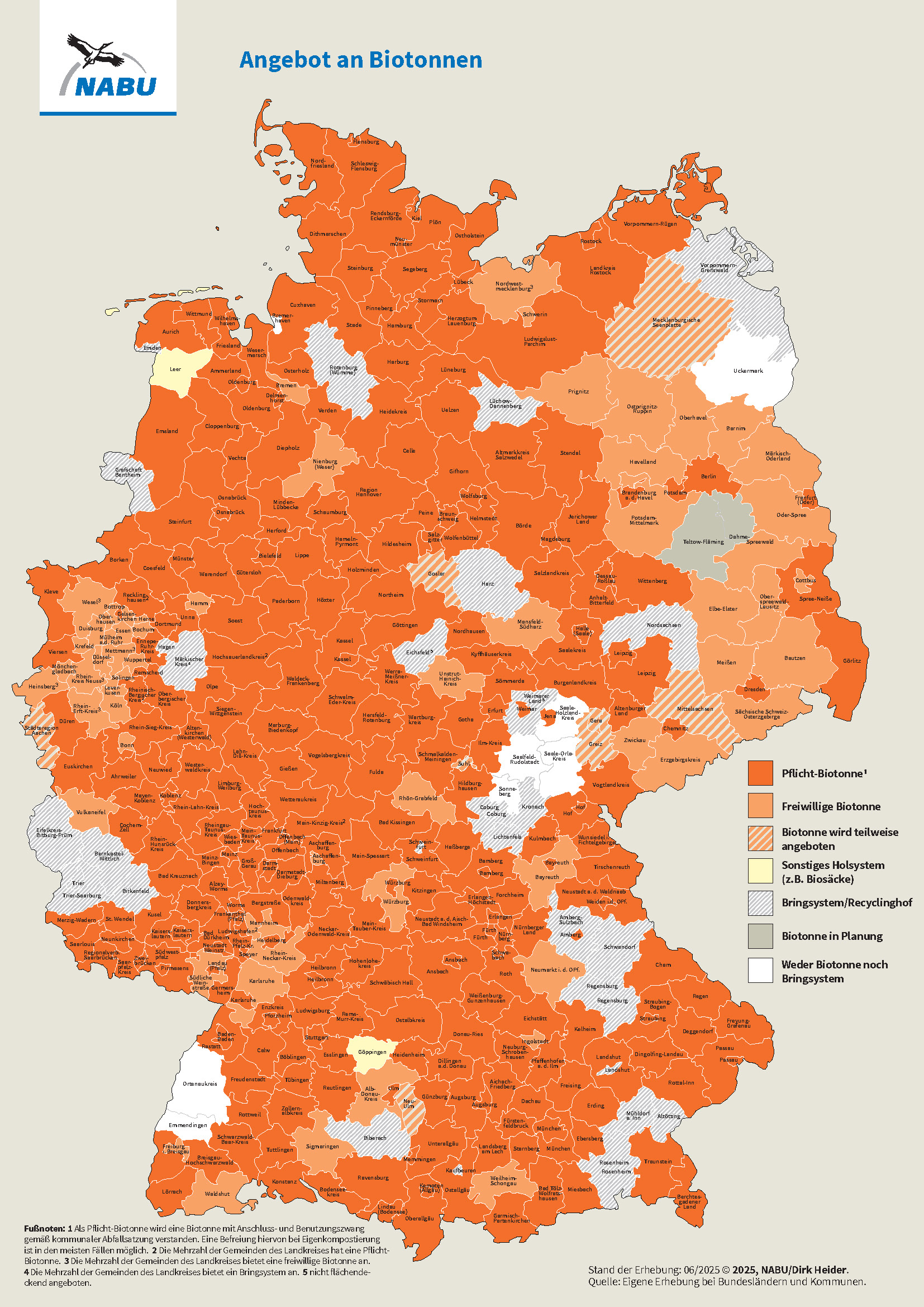
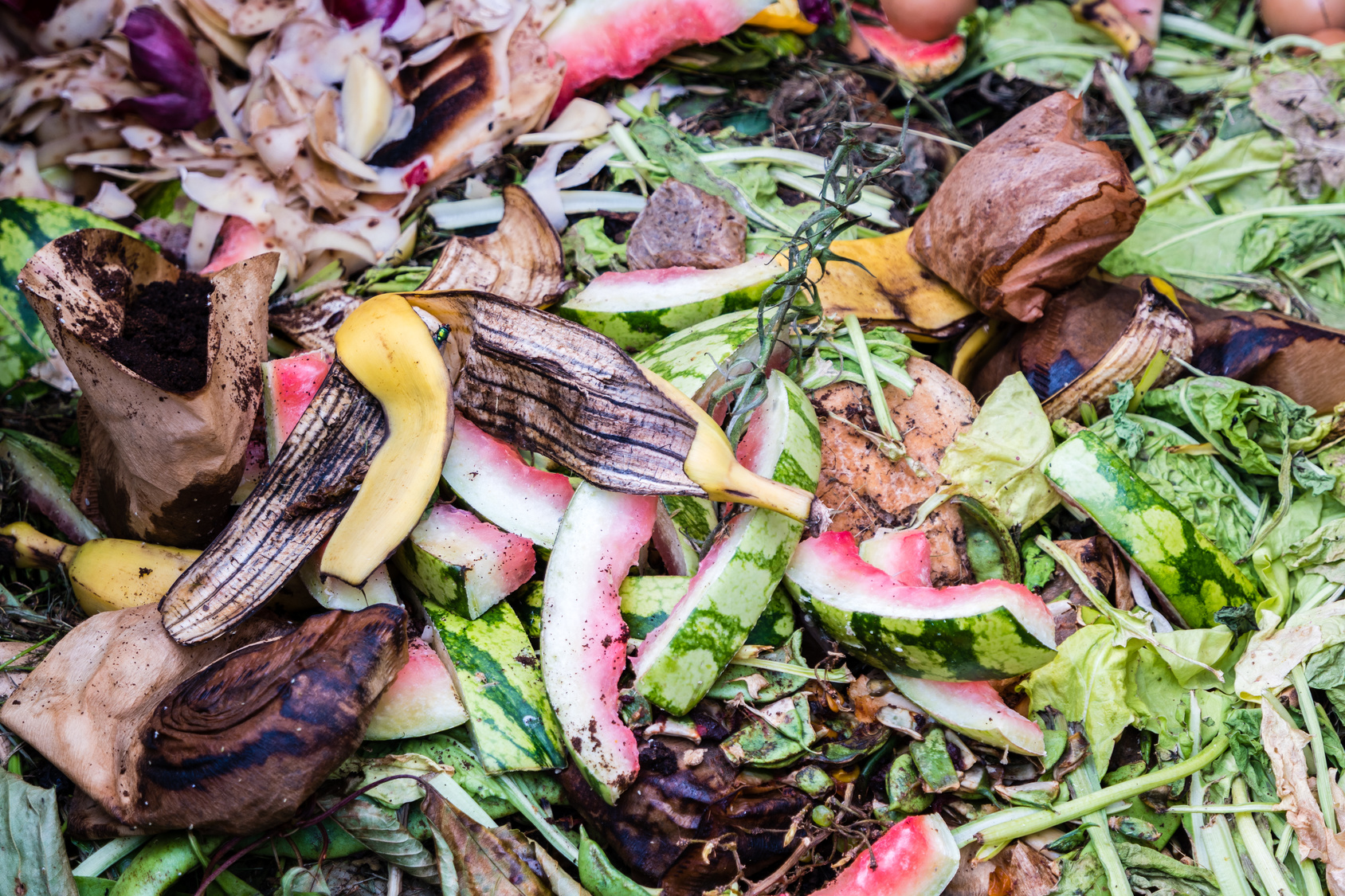
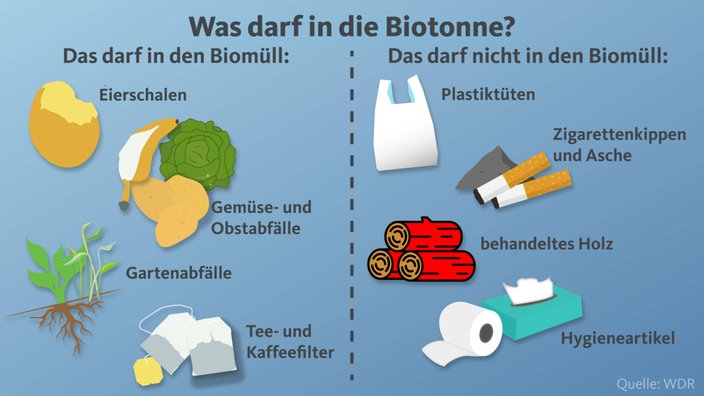
Used for:
- Food waste
- Fruit and vegetable scraps
- Garden waste
👉 This waste is processed into:
- Compost
- Biogas (renewable energy)
⚫ Black Bin (Residual Waste)
Split waste
Used for:
- Non-recyclable waste
- Hygiene products
- Mixed materials
👉 Usually incinerated to generate energy.
🟢 Glass Containers (Public Collection Points)
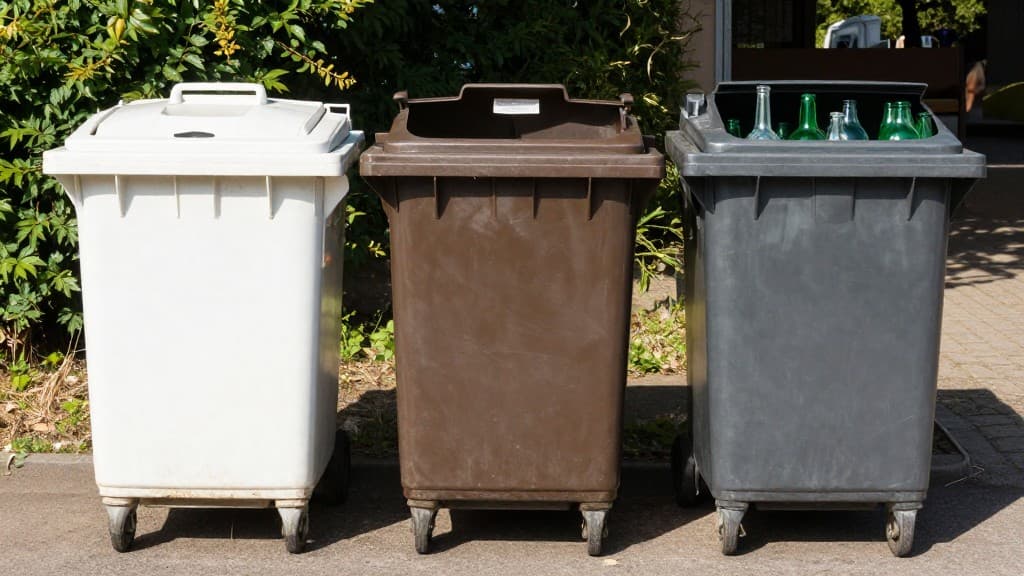
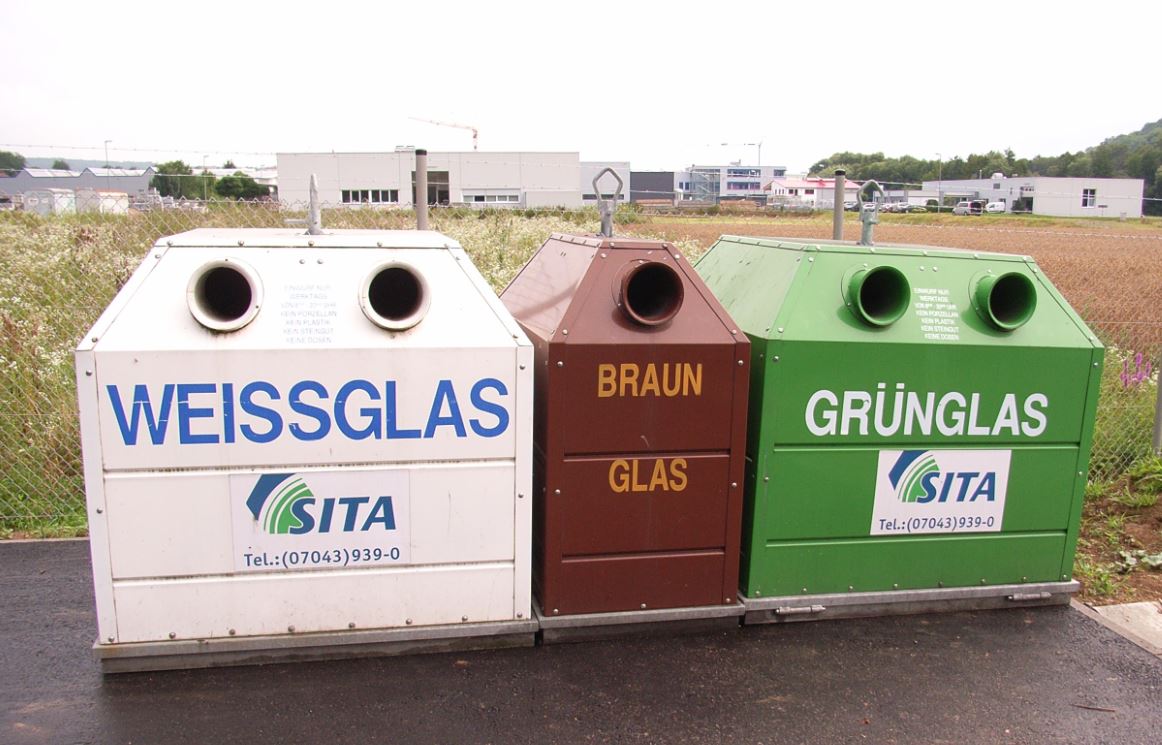
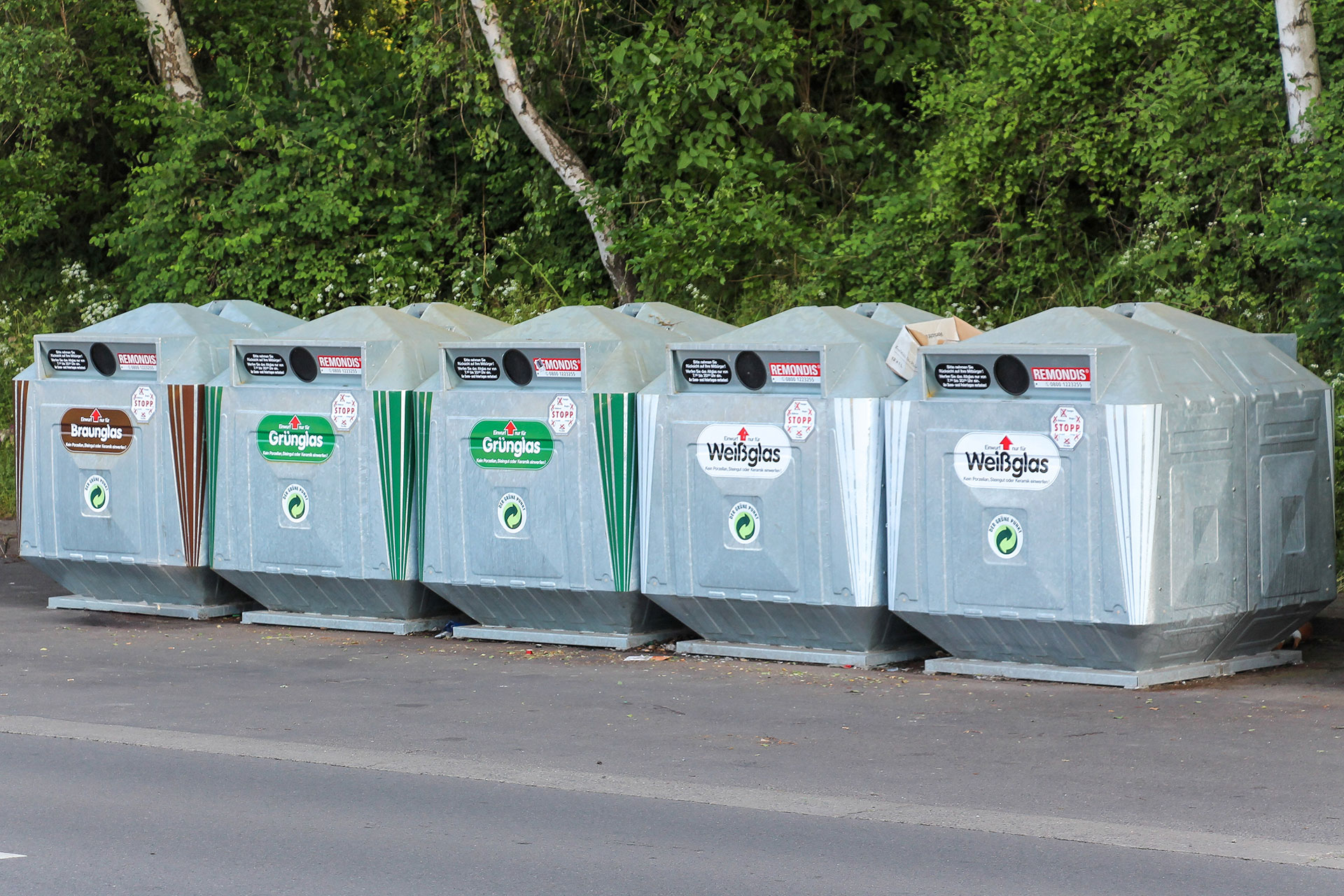
Used for:
- Glass bottles and jars
Separated by color:
- White (clear glass)
- Brown
- Green
👉 Proper separation improves recycling quality.
♻️ Key Features of the German System
💰 Deposit System (Pfand)
- Bottles and cans have a deposit (0.08€–0.25€)
- Returned to supermarkets
👉 Result: extremely high return rates (~98%)
🔁 Recycling vs. Zero Waste
Germany has:
✔ Highly developed recycling systems
✔ Efficient waste separation
BUT:
❗ Zero Waste goes further:
- Reduce consumption
- Reuse products
- Avoid waste entirely
🌱 Role in Circular Economy
The German system shows how:
- Infrastructure + behavior = effective waste management
- Separation enables recycling
- But prevention is the next step
💡 Use for your project (QHM)
This topic fits perfectly into:
- 🌍 Environment → waste reduction systems
- 👥 Society → behavior change
- 🏛️ Politics → regulation & infrastructure
- 💶 Economy → recycling markets
- 🎓 Education → awareness & training
Disclaimer / Copyright Notice for ALL
Parts of this material were created and structured with the support of ChatGPT (OpenAI, GPT-5); other parts were searched and created using CoPilot. The content was created to support analysis and reporting and was adapted and reviewed by the project team. Research was conducted using Bing and/or Google searches.
All trademarks and product names mentioned are acknowledged and remain the property of their respective owners.
17.04.2026 Europe, BeCom Project Team