
- GP1 Title: Zero Waste Germany – Circular Consumption & Waste Prevention Model
- GP2 Title: Retex - Circular Textile Economy & Women's Empowerment Model (Serbia)
- Introduction
- 🌍 Environment
- 👥 Society
- 🏛️ Politics
- 💶 Economy
- 🎓 Education
- 🔧 Practical Steps for Implementation
- GP3 Title: The Municipality of Thermi (Greece)
- GP4 Title: Made in Roșia Montană (Romania)
- 🎓 Education
- 🔧 Practical Steps for Implementation
- GP5 Title: La Fàbrica del Sol – digital Fabrication Centre (Spain)
 Doc Summary

Language note: The Online Toolkits include external simulations, games and interactive resources provided by third-party authors and organisations. These original tools remain in the language and format in which they were published. For multilingual access to the BeCom descriptions and guidance on this page, we recommend using the built-in translation function in Google Chrome or other browsers.
GP1 Title: Zero Waste Germany – Circular Consumption & Waste Prevention Model #
📍 Location: Germany (nationwide approach with local initiatives)
🔗 Link: https://zerowastegermany.de/
🔗 Additional sources:
https://zerowasteeurope.eu/
https://www.umweltbundesamt.de/en/topics/waste-resources
Introduction #
Zero Waste Germany represents a growing movement and systemic approach to reducing waste generation and promoting circular consumption across the country. It combines national waste management systems, local zero-waste initiatives, and community-driven solutions to minimize resource use and environmental impact.
Germany is known for its advanced recycling infrastructure and structured waste separation system. However, the Zero Waste approach goes beyond recycling by focusing on prevention, reuse, and sustainable product design. Initiatives such as zero-waste shops, repair cafés, and community programs encourage citizens to rethink consumption patterns and actively participate in circular economy practices.
By integrating environmental responsibility with social awareness and economic innovation, Zero Waste Germany contributes to the transition toward regenerative and sustainable communities aligned with New European Bauhaus values.
Context
Zero Waste Germany is a national movement and practical model promoting waste prevention, reuse systems, and circular consumption. It combines policy frameworks, infrastructure, and community initiatives to reduce environmental impact and foster sustainable lifestyles. 
Learning Objectives
Understand zero-waste principles and circular economy strategies.
Analyse waste prevention and reuse systems in practice.
Promote behavioural change toward sustainable consumption.
Develop local zero-waste initiatives and circular solutions.
Session Plan
Introduction to zero-waste and circular economy (15 min)
Case study analysis: Zero Waste Germany (30 min)
Workshop: local zero-waste solutions (45 min)
Reflection and feedback (30 min)
✅ What the sectors can learn: Zero Waste & Circular Systems (QHM-Oriented)
🌍 Environment #
Zero Waste Germany demonstrates how waste prevention and circular systems can significantly reduce environmental impact.
Waste prevention reduces resource consumption
Lesson: The zero-waste approach prioritizes avoiding waste rather than managing it after generation.
→ Adaptation: Shift focus from recycling to prevention strategies in policy and practice.
→ Example Implementation: Businesses can reduce packaging and promote refill systems.
→ Practical Step: Identify major waste streams and redesign processes to eliminate them.
Circular systems reduce environmental pollution
Lesson: Reuse and recycling systems minimize landfill use and emissions.
→ Adaptation: Implement circular material flows in local systems.
→ Example Implementation: Cities can establish reuse centres and recycling hubs.
→ Practical Step: Develop local infrastructure for sorting, reuse, and repair.
Organic waste contributes to regenerative cycles
Lesson: Bio-waste is converted into compost and biogas.
→ Adaptation: Promote organic waste separation and reuse in agriculture.
→ Example Implementation: Municipalities can expand bio-waste collection systems.
→ Practical Step: Introduce composting programs and community gardens.
👥 Society #
Zero Waste Germany fosters awareness, participation, and social responsibility.
Awareness drives behavioural change
Lesson: Public campaigns and education initiatives encourage sustainable consumption.
→ Adaptation: Integrate awareness programs into schools and communities.
→ Example Implementation: NGOs can organize zero-waste workshops and campaigns.
→ Practical Step: Develop educational materials and communication strategies.
Community initiatives strengthen engagement
Lesson: Repair cafés and zero-waste groups promote participation and cooperation.
→ Adaptation: Support grassroots initiatives and local networks.
→ Example Implementation: Community centres can host repair and reuse events.
→ Practical Step: Create local zero-waste groups and volunteer networks.
Inclusive participation enhances impact
Lesson: Zero-waste initiatives are accessible to diverse social groups.
→ Adaptation: Ensure affordability and accessibility of sustainable solutions.
→ Example Implementation: Introduce community sharing systems.
→ Practical Step: Develop inclusive participation models.
🏛️ Politics #
Zero Waste Germany shows how governance supports circular economy transition.
Policy frameworks enable waste reduction
Lesson: Germany’s waste laws and EU directives support recycling and prevention.
→ Adaptation: Integrate zero-waste targets into policy frameworks.
→ Example Implementation: Governments can introduce waste reduction strategies.
→ Practical Step: Align local policies with EU circular economy goals.
Regulations support circular systems
Lesson: Packaging laws and recycling regulations drive system efficiency.
→ Adaptation: Strengthen regulations supporting reuse and reduction.
→ Example Implementation: Introduce incentives for zero-waste businesses.
→ Practical Step: Advocate for policy changes supporting circular economy.
Local governments play a key role
Lesson: Municipalities implement waste management systems and awareness campaigns.
→ Adaptation: Empower local authorities to lead circular initiatives.
→ Example Implementation: Cities can develop zero-waste strategies.
→ Practical Step: Engage municipalities in planning and implementation.
💶 Economy #
Zero Waste Germany creates economic opportunities through circular models.
Circular economy creates new business models
Lesson: Zero-waste shops and reuse services generate new markets.
→ Adaptation: Develop business models based on reuse and sustainability.
→ Example Implementation: Entrepreneurs can create refill stations and repair services.
→ Practical Step: Design circular business concepts targeting local needs.
Cost savings through waste reduction
Lesson: Reducing waste lowers production and disposal costs.
→ Adaptation: Focus on lifecycle efficiency in business operations.
→ Example Implementation: Companies can reduce packaging costs.
→ Practical Step: Conduct waste audits and cost analysis.
Local value chains increase resilience
Lesson: Local sourcing and reuse systems strengthen regional economies.
→ Adaptation: Promote regional supply chains.
→ Example Implementation: Support local producers and circular networks.
→ Practical Step: Build partnerships with local stakeholders.
🎓 Education #
Zero Waste Germany functions as a platform for learning and skills development.
Practical learning enables behaviour change
Lesson: Hands-on participation (sorting, reuse) fosters learning.
→ Adaptation: Use practical activities in education.
→ Example Implementation: Schools can implement zero-waste projects.
→ Practical Step: Develop experiential learning modules.
Education supports circular transition
Lesson: Awareness leads to long-term sustainable behaviour.
→ Adaptation: Integrate sustainability into curricula.
→ Example Implementation: Training programs on circular economy.
→ Practical Step: Create structured learning units.
Lifelong learning strengthens impact
Lesson: Programs target all age groups and sectors.
→ Adaptation: Provide continuous education opportunities.
→ Example Implementation: Community training programs.
→ Practical Step: Develop modular courses for different target groups.
🔧 Practical Steps for Implementation #
- Analyse waste streams, Identify key sources of waste
- Develop zero-waste strategy, Focus on prevention, reuse, and recycling
- Engage stakeholders, Include communities, businesses, and authorities
- Build infrastructure, Establish reuse, repair, and recycling systems
- Align with policy, Use EU and national frameworks
- Implement and monitor, Track progress and adapt strategies
✅ Transferability
This model is transferable to:
Cities and municipalities, Community initiatives, Retail and business sector, VET and education institutions, Circular economy projects
Appendix German Model
Waste Separation System in Germany (Zero Waste Context)
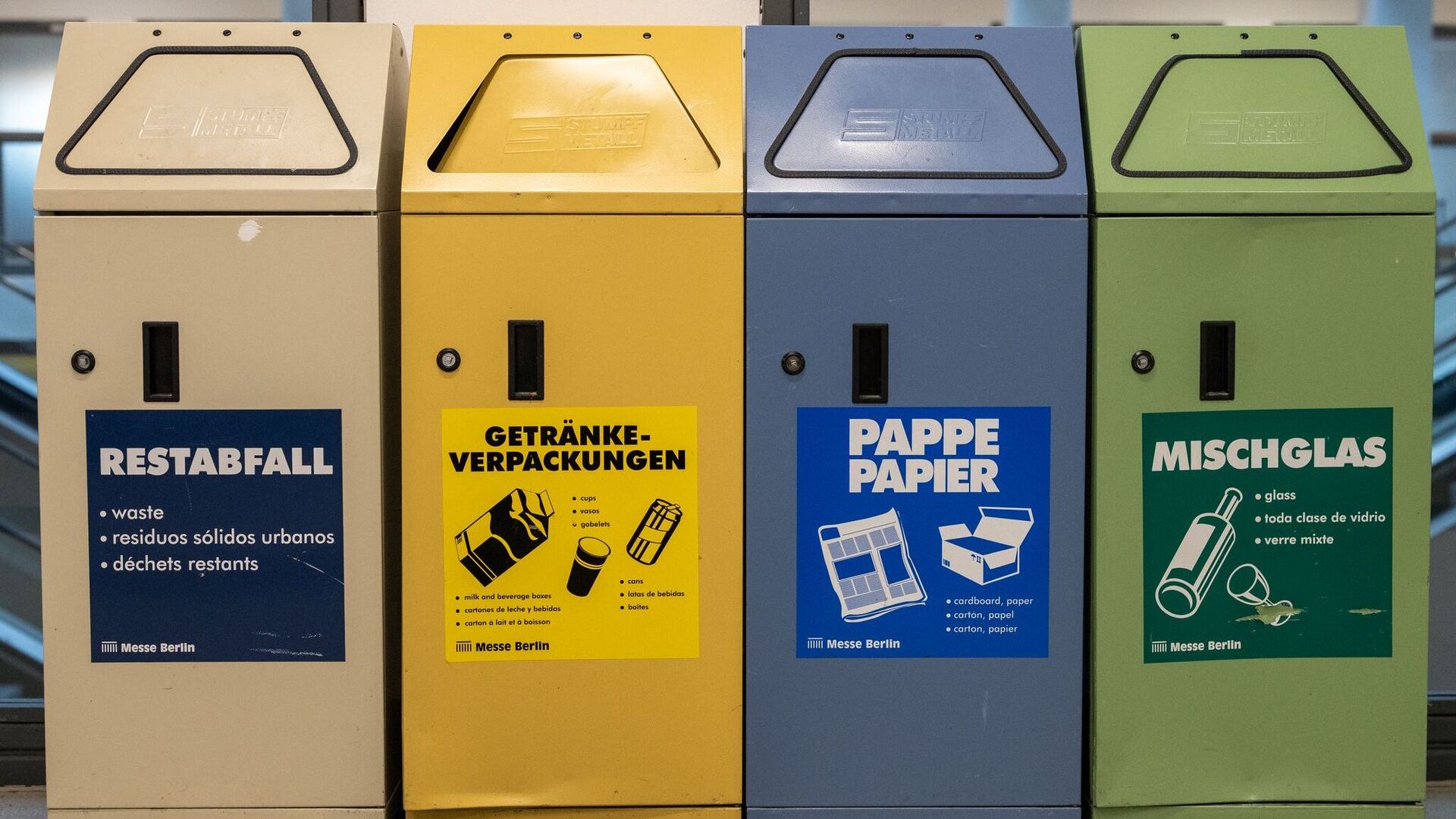
Germany has one of the most advanced waste management systems in the world. Waste separation is a key element of its approach to circular economy and resource efficiency.
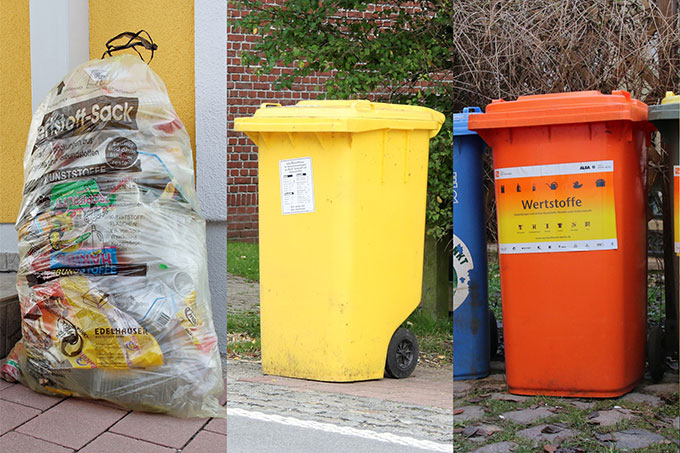
🟡 Yellow Bin / Yellow Bag (Packaging Waste)
4
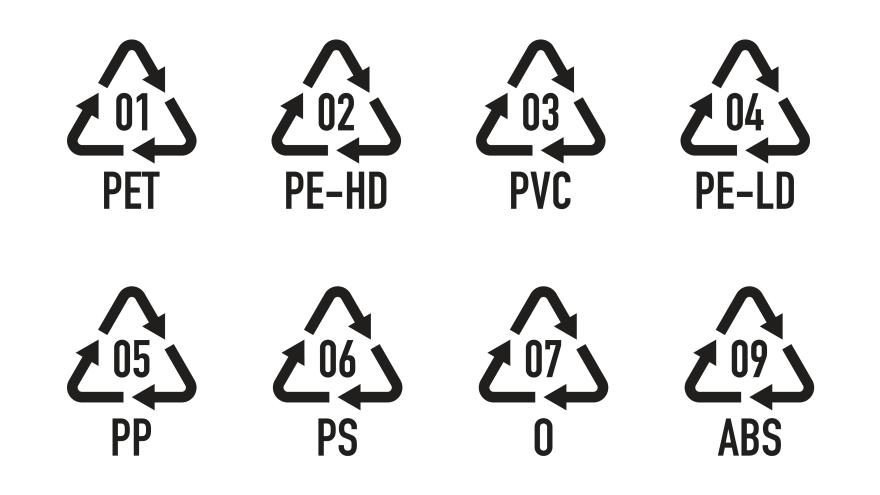
Used for:
- Plastic packaging (e.g., bottles, trays, wrappers)
- Metal packaging (cans, aluminum)
- Composite materials (e.g., Tetrapak)
Important:
- Only packaging is allowed
- No non-packaging plastics (e.g., toys)
👉 This system is part of the Dual System (Green Dot) for recycling packaging.
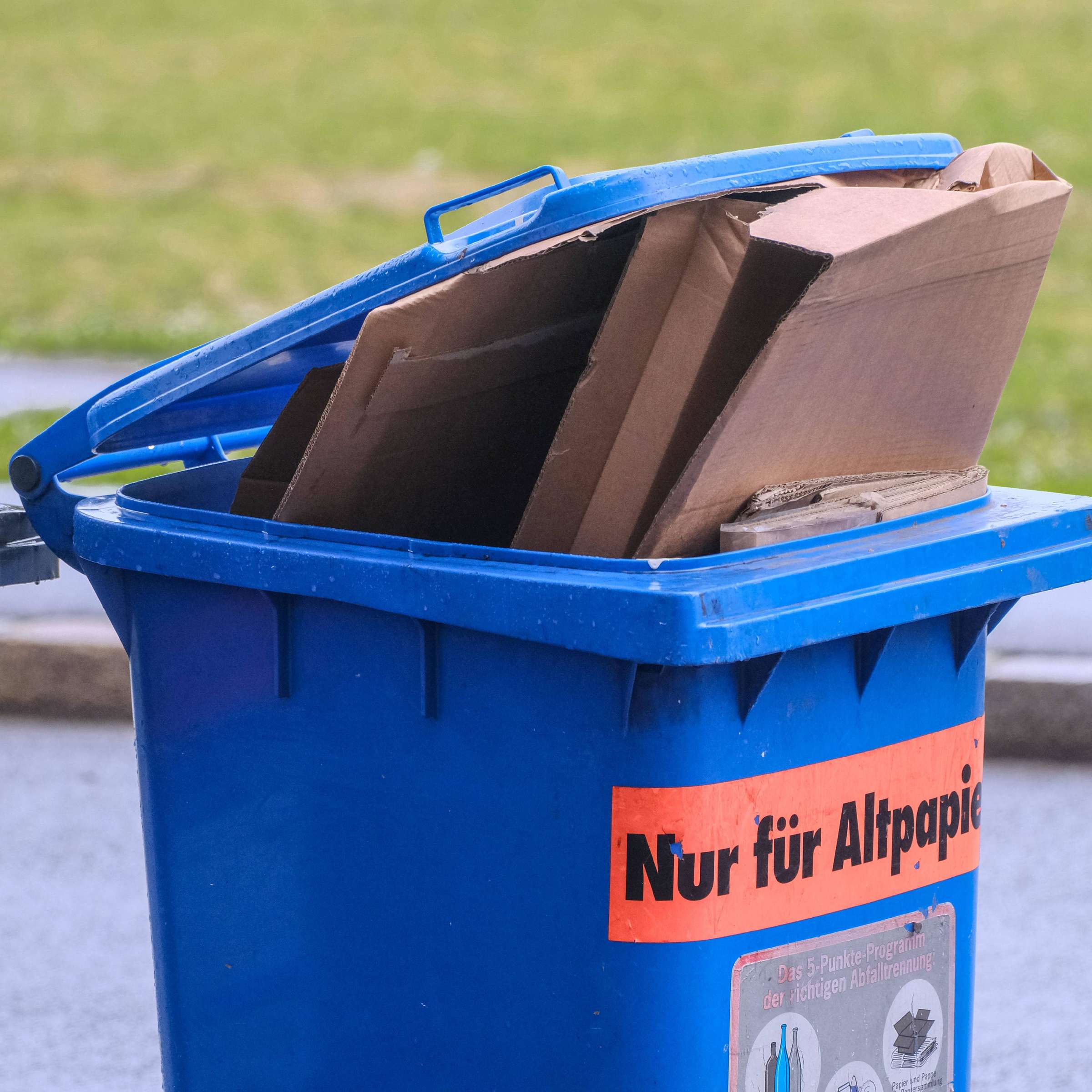 🔵 Blue Bin (Paper & Cardboard)
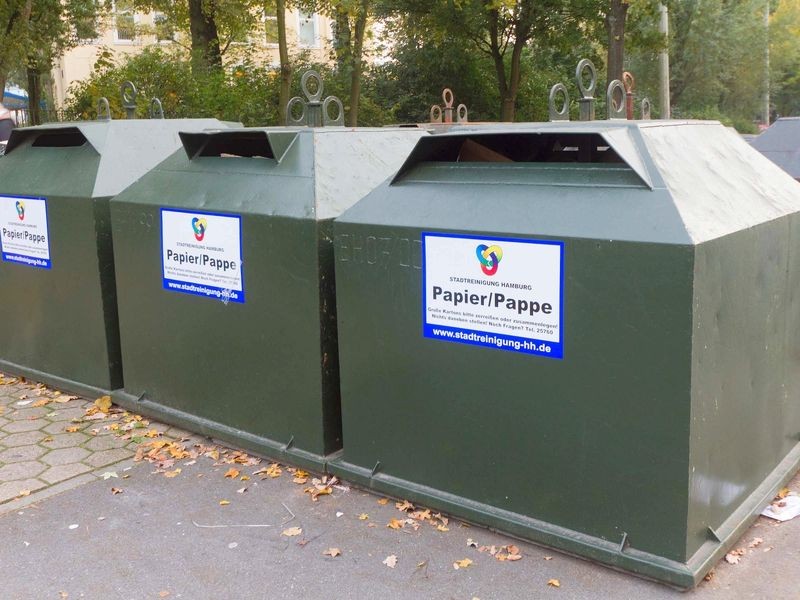
Used for:
- Paper
- Cardboard
- Newspapers
Important:
- No dirty or greasy paper (e.g., pizza boxes with oil)
👉 Paper recycling in Germany is highly efficient and widely implemented.
🟤 Brown Bin (Organic Waste / Bio-Waste)
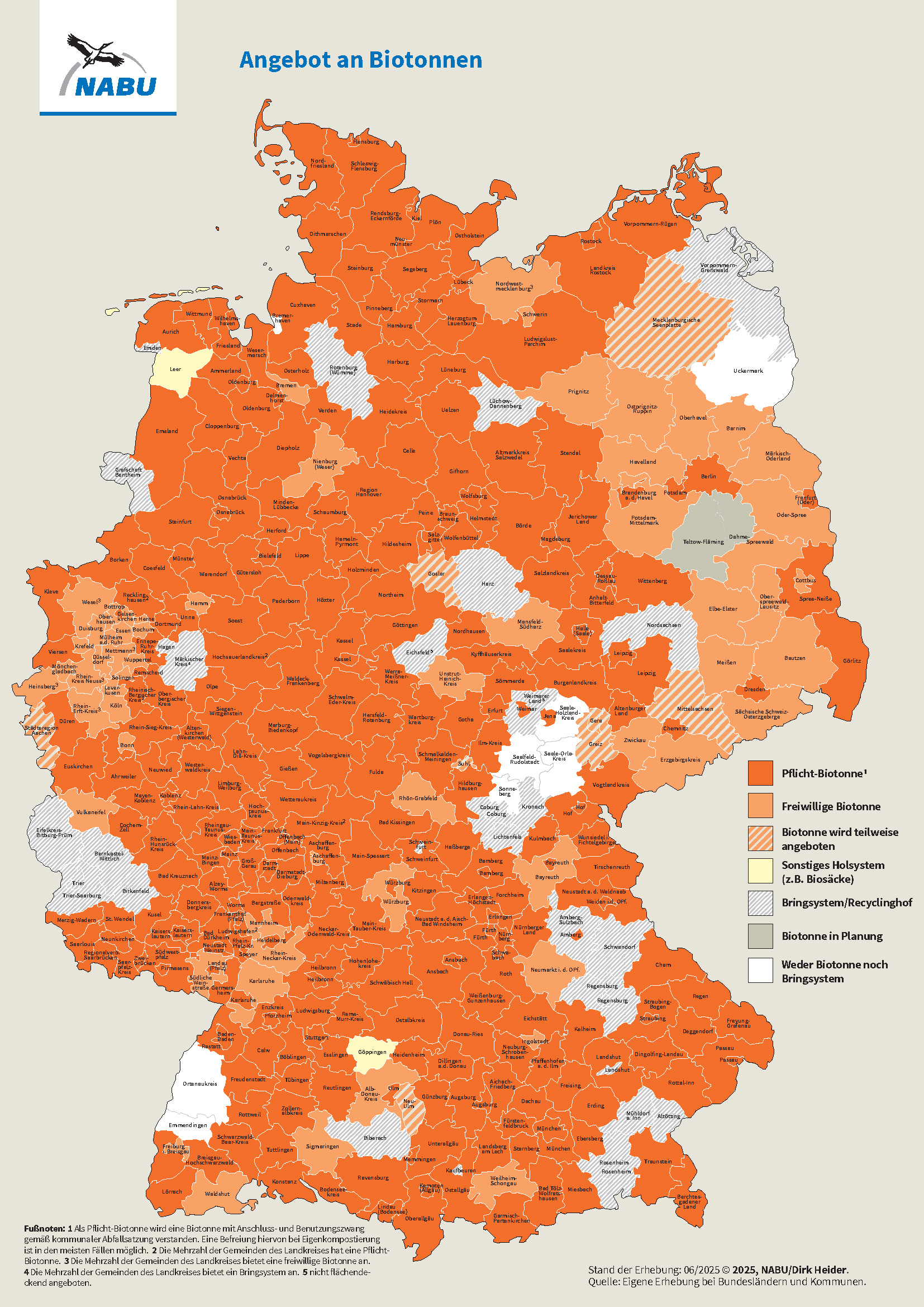
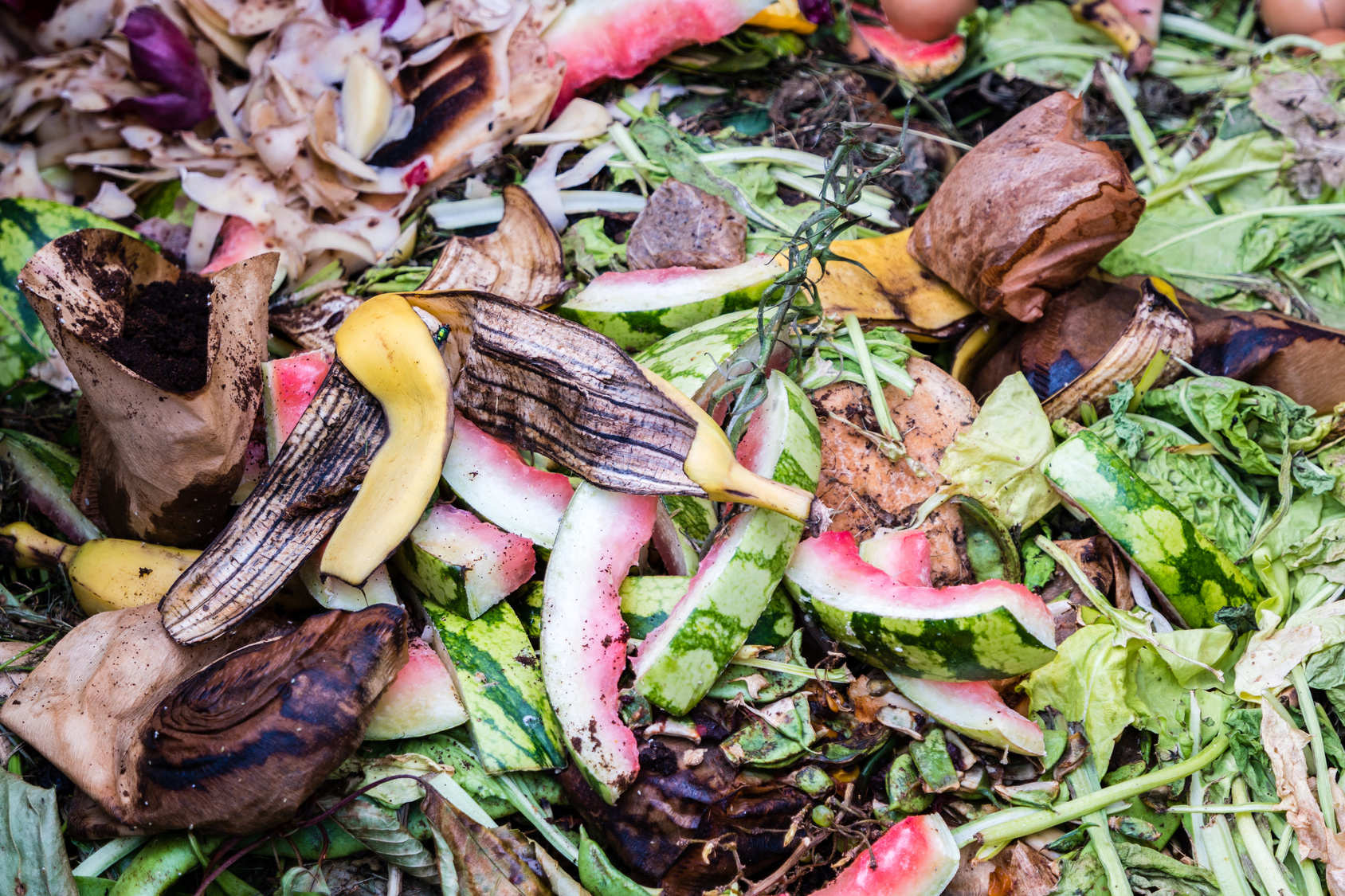
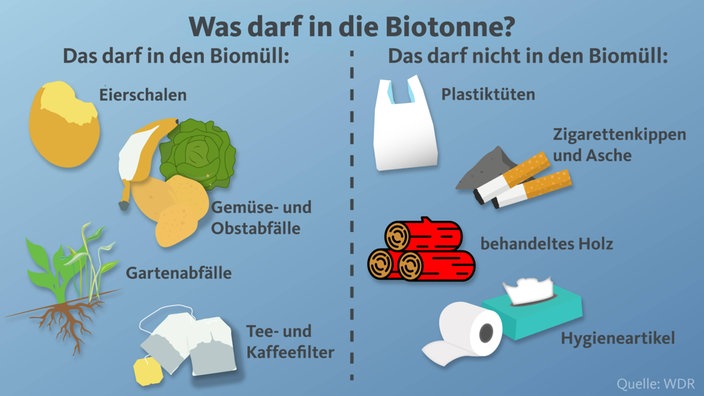
Used for:
- Food waste
- Fruit and vegetable scraps
- Garden waste
👉 This waste is processed into:
- Compost
- Biogas (renewable energy)
 ⚫ Black Bin (Residual Waste)
Split waste
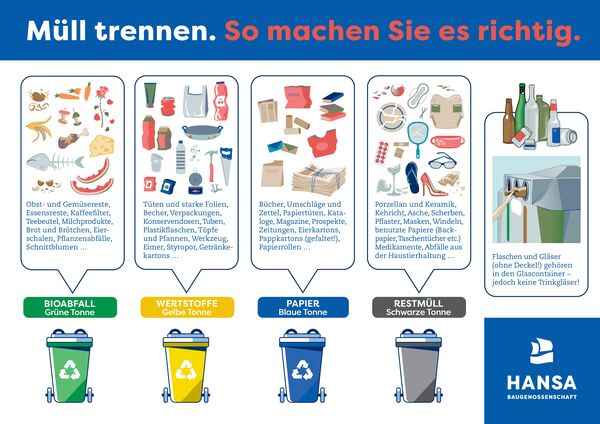
Used for:
- Non-recyclable waste
- Hygiene products
- Mixed materials
👉 Usually incinerated to generate energy.
🟢 Glass Containers (Public Collection Points)
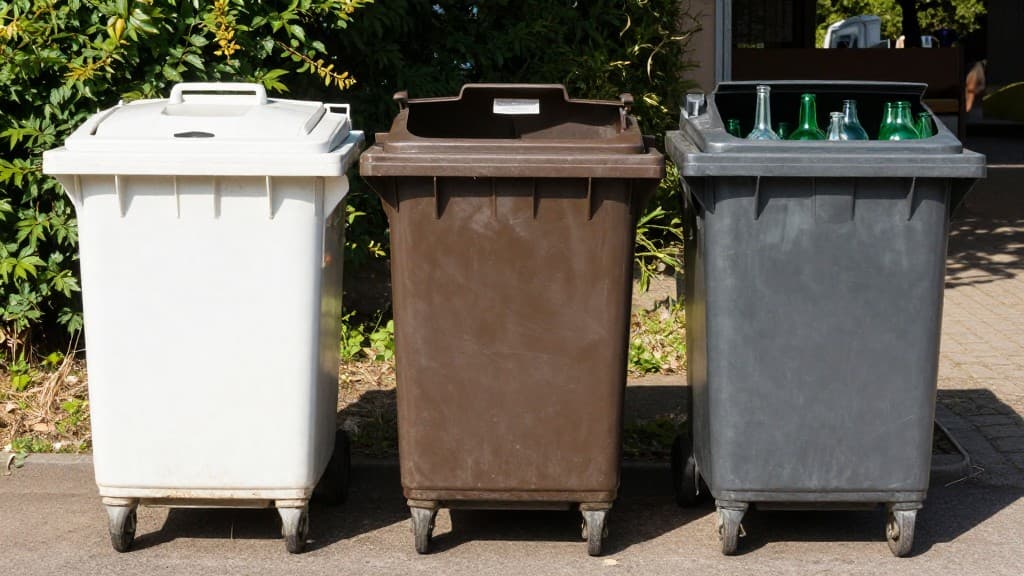
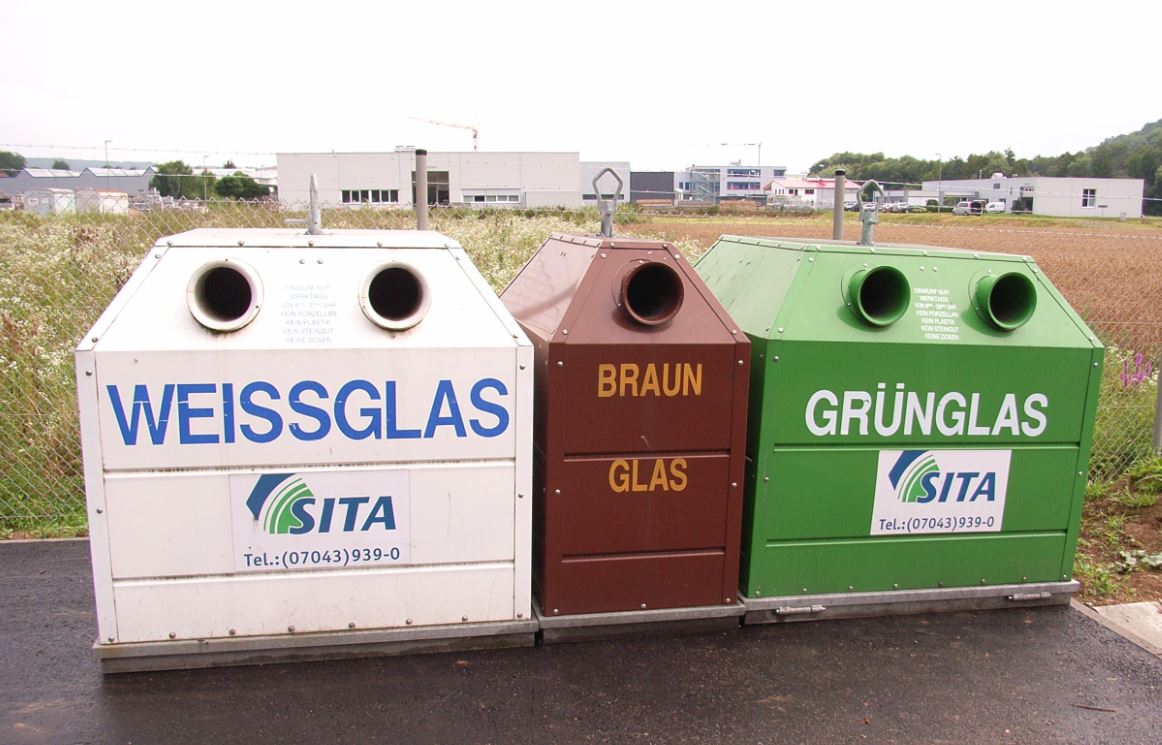
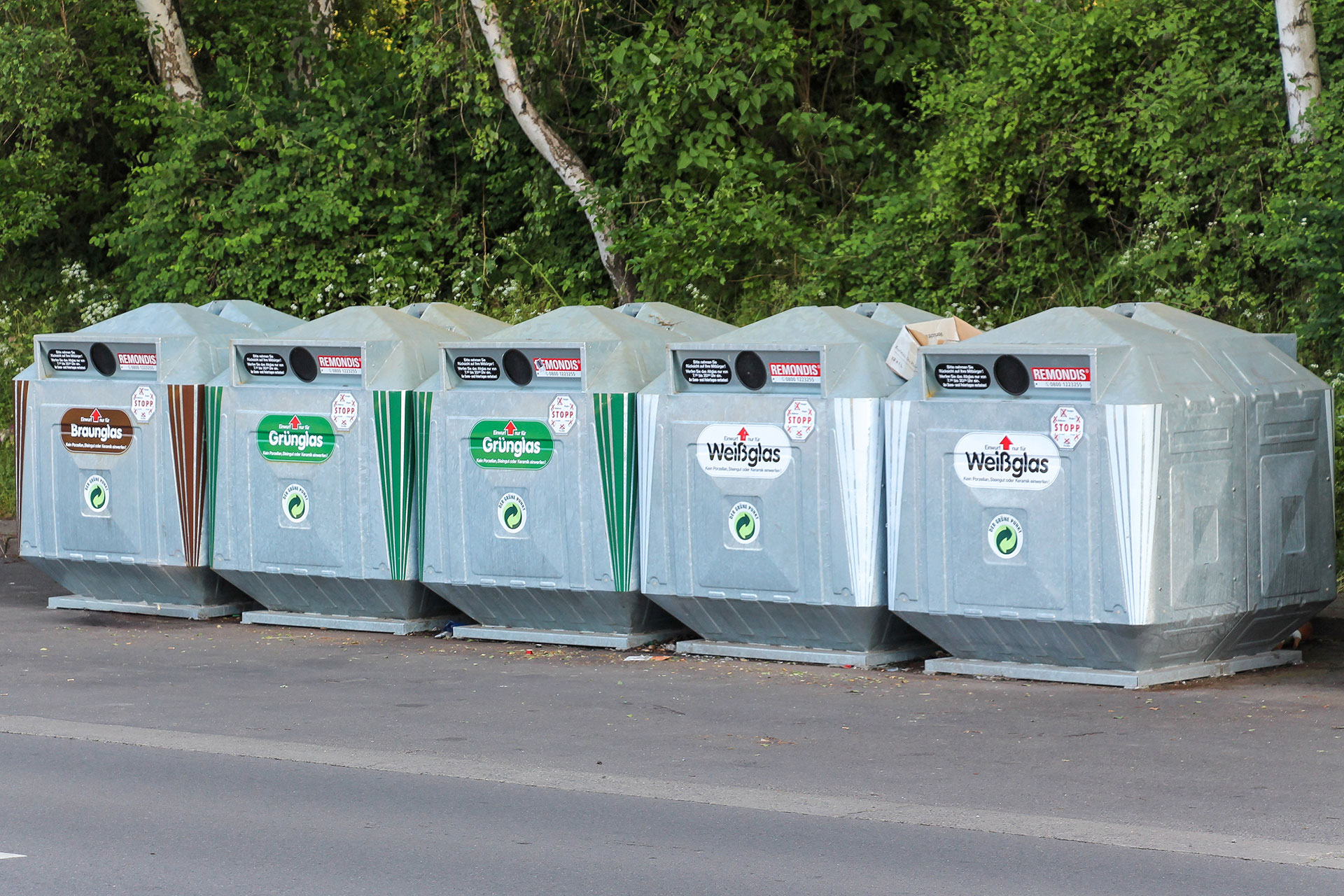
Used for:
- Glass bottles and jars
Separated by color:
- White (clear glass)
- Brown
- Green
👉 Proper separation improves recycling quality.
♻️ Key Features of the German System
💰 Deposit System (Pfand)
- Bottles and cans have a deposit (0.08€–0.25€)
- Returned to supermarkets
👉 Result: extremely high return rates (~98%)
🔁 Recycling vs. Zero Waste
Germany has:
✔ Highly developed recycling systems
✔ Efficient waste separation
BUT:
❗ Zero Waste goes further:
- Reduce consumption
- Reuse products
- Avoid waste entirely
🌱 Role in Circular Economy
The German system shows how:
- Infrastructure + behavior = effective waste management
- Separation enables recycling
- But prevention is the next step
💡 Use for your project (QHM)
This topic fits perfectly into:
- 🌍 Environment → waste reduction systems
- 👥 Society → behavior change
- 🏛️ Politics → regulation & infrastructure
- 💶 Economy → recycling markets
- 🎓 Education → awareness & training
GP2 Title: Retex – Circular Textile Economy & Women’s Empowerment Model (Serbia) #
📍 Location: Užice, Zlatibor District, Western Serbia
🔗 Main source: https://zenskicentaruzice.com/en/reciklaza-tekstila/
🔗 Additional sources:
- https://zelenatranzicija.undp.org.rs/en/cozyrewear-reuse-and-recycling-of-textiles/
- https://socijalnoukljucivanje.gov.rs/en/female-citizens-of-uzice-recycling-textile/
- https://www.energetskiportal.com/green-fashion-in-uzice/
Introduction #
Retex is a circular textile economy initiative established in July 2010 by the Ženski centar Užice (Women’s Centre Užice – ŽCU), a civil society organisation active in Western Serbia since the early 2000s. The initiative emerged from a dual recognition: that textile waste represents a significant and poorly managed fraction of municipal solid waste in Serbia, and that women from vulnerable social groups – disabled individuals, single mothers, domestic violence survivors, and women over 50 – face persistent and structural barriers to formal employment.
Užice is located in the Zlatibor district, a region that historically hosted significant textile manufacturing activity. When the industry declined in the post-socialist transition, the knowledge and skills of local women – many of whom had worked in textile factories for decades – remained present in the community but largely unused. The founders of Retex, Marina Tucović (project coordinator and textile engineer) and Radmila Gujaničić (president of the ŽCU Board of Directors), identified this untapped potential and designed a model that transforms textile waste into a resource stream while creating meaningful, flexible employment for women who would otherwise remain outside the labour market.
The initiative operates from the premises of the former textile company “Cveta Dabić” in downtown Užice. Citizens, schools, kindergartens, youth associations, and the Red Cross bring textiles to the centre twice a week or during special collection campaigns. Women employees sort the materials: items suitable for reuse are redirected to social services and distributed to over 280 socially vulnerable families from the Zlatibor County every month; items unsuitable for direct reuse are processed and transformed into recycled textile regenerators – raw fibrous materials used in construction insulation, furniture manufacturing, road construction, and the automotive industry.
Over time, Retex has evolved from a social employment programme into a recognised model for community-scale circular economy in Serbia. It has sorted and processed over 35 tonnes of textile, donated more than 15,000 clothing items, and provided first-ever formal employment to women who had spent years excluded from the labour market. Its replication and dissemination potential has begun to materialise: the initiative now serves as the recycling endpoint for CozyReWear, a newer circular fashion project that uses organic cotton, builds a tailoring hub for garment redesign and alteration, and directs all non-reusable textile waste to the Women’s Recycling Centre in Užice – thereby closing a full, waste-free fashion cycle that connects a sustainable brand with a social enterprise. This emerging network demonstrates that Retex has moved beyond a standalone local programme and is developing into a systemic node in Serbia’s circular textile economy.
Context:
Retex combines waste prevention, circular material flows, and social inclusion into a single community-embedded model. It operates at the intersection of environmental responsibility, social equity, and local economic resilience, making it highly aligned with the principles and frameworks of the New European Bauhaus and the Quintuple Helix Model.
Learning Objectives:
- Understand how circular economy principles can be applied to textile waste at a community level
- Analyse the relationship between circular resource management and social inclusion
- Explore how traditional skills and sector-specific knowledge can be mobilised for sustainable development
- Develop local circular textile strategies that engage vulnerable groups and produce both environmental and social value
Session Plan:
- Introduction to textile waste as a circular economy challenge (15 min)
- Case study analysis: Retex – Ženski centar Užice (30 min)
- Workshop: designing a circular textile initiative for your community (45 min)
- Reflection and feedback (30 min)
NEB Principles Identified in the Example #
Sustainability is central to the Retex model. By intercepting textile waste before it reaches landfill and redirecting it into productive circular flows – from humanitarian donation to industrial recycling – the initiative materially reduces the environmental impact of a waste stream that represents between 4% and 8% of municipal solid waste in Serbian cities. The use of recycled textile regenerators as insulation and construction material substitutes for imported products, reducing both waste volumes and the environmental cost of logistics. The participation of Retex in the CozyReWear supply chain further strengthens this dimension: products made from organic cotton and natural materials are redesigned and altered for reuse, and only genuinely unrecoverable materials are sent for recycling – embodying the full waste hierarchy in practice.
Inclusion is the founding logic of Retex. The initiative was explicitly designed to create employment for women who face the highest barriers to labour market participation: women with disabilities, single mothers, survivors of domestic violence, women over 50, and individuals living in rural or peri-urban areas with limited mobility. For many participants, Retex represents their first formal employment. The flexible structure of the work – based within the community, not requiring commuting to industrial zones – ensures that participation does not come at the expense of caregiving responsibilities or existing social ties. Beyond employment, the centre serves as a redistributive mechanism, channelling functional garments to over 280 socially vulnerable families monthly, thereby addressing material poverty through circular means.
Aesthetics in the Retex model manifests through the value placed on craft knowledge, material care, and the dignity of repair and reuse. The careful sorting, cleaning, and processing of donated textiles reflects a culture of attention to materials – an ethic that stands in direct contrast to the disposability logic of fast fashion. As the initiative’s connection to CozyReWear evolves, the aesthetic dimension deepens: garments are redesigned and altered rather than discarded, preserving both material value and aesthetic character. This approach demonstrates that sustainability and beauty are not in tension: quality, durability, and thoughtful design are the shared foundations of both.
✅ What the Sectors Can Learn: Circular Textile Economy (QHM-Oriented)
🌍 Environment #
Retex demonstrates that effective circular resource management can be achieved at community scale, using existing skills and infrastructure, without large capital investment.
Textile waste is a local environmental challenge with local solutions
Lesson: Between 4% and 8% of municipal solid waste in Serbian cities is textile – a fraction largely invisible in mainstream waste management planning, yet significant in volume and environmental impact.
→ Adaptation: Municipal waste strategies should explicitly include textile fractions, with collection, sorting, and reprocessing infrastructure built at community level.
→ Example Implementation: Municipalities can partner with NGOs and social enterprises to establish textile collection and sorting hubs, eliminating the need for costly centralised facilities.
→ Practical Step: Conduct local waste composition audits to quantify the textile fraction; use results to build the case for dedicated collection infrastructure and funding.
Circular material flows reduce both waste and import dependency
Lesson: Recycled textile regenerators produced by Retex substitute for imported insulation and furniture materials, creating a local product that reduces supply chain dependency.
→ Adaptation: Identify secondary material streams that currently rely on imported substitutes; design local recycling capacity to close these loops.
→ Example Implementation: Establish regional partnerships between textile recycling centres and construction, furniture, or automotive industries that require fibre-based raw materials.
→ Practical Step: Map industrial demand for recycled textile products in the regional economy; use this as the basis for investment in mechanical recycling equipment.
Systemic connection between stages amplifies environmental impact
Lesson: The integration of Retex into the CozyReWear supply chain shows how a community recycling hub can become a systemic node in a larger circular value chain – closing loops that individual actors cannot close alone.
→ Adaptation: Design circular textile programmes as open infrastructure that other actors (brands, designers, social enterprises) can plug into, rather than isolated projects.
→ Example Implementation: Publish the material processing capacity and take-back specifications of community recycling hubs so that circular fashion brands can integrate them into their end-of-life strategies.
→ Practical Step: Establish formal partnership agreements between recycling infrastructure providers and sustainable brands, creating guaranteed volume flows in both directions.
👥 Society #
Retex demonstrates that circular economy initiatives can function simultaneously as environmental interventions and instruments of social justice, dignity, and community cohesion.
Employment creation through circular systems targets those left behind
Lesson: The initiative was explicitly designed for women excluded from conventional labour markets. Circular economy creates employment niches that are inherently community-embedded and not easily offshored or automated.
→ Adaptation: Design circular economy programmes to deliberately include employment pathways for socially marginalised groups, recognising the double social dividend.
→ Example Implementation: Social enterprises running repair cafés, reuse hubs, or recycling centres can define their hiring criteria to prioritise hard-to-employ individuals, supported by public works programmes or social enterprise financing.
→ Practical Step: Develop workforce profiles for circular economy roles (sorter, repairer, redesigner, coordinator) that map to employment categories eligible for national employment agency support.
Humanitarian redistribution of functional goods addresses material poverty
Lesson: The sorting process at Retex generates two streams simultaneously: recycling-grade material and usable garments for social redistribution. This dual output multiplies the social value of the initiative without additional cost.
→ Adaptation: Integrate humanitarian redistribution functions into circular collection systems wherever possible, connecting waste management with social services.
→ Example Implementation: Local Red Cross branches, social service centres, and refugee support organisations can become formal redistribution partners for community textile hubs.
→ Practical Step: Establish monthly distribution agreements with social service providers; define quality criteria for clothing eligible for redistribution versus recycling.
Community ownership and participation strengthen civic sustainability culture
Lesson: Citizens are active contributors to Retex – bringing textiles twice a week, participating in campaigns with schools and youth organisations. This creates a visible, participatory sustainability culture rooted in everyday behaviour.
→ Adaptation: Build citizen drop-off rituals and community campaigns into the operating model of circular initiatives, rather than treating waste collection as a passive logistics function.
→ Example Implementation: Partner with schools, kindergartens, and sports clubs to host seasonal collection events that connect circular economy with education and community life.
→ Practical Step: Develop a community engagement calendar with regular collection events, linked to communication that makes the environmental and social impact of each donation visible to contributors.
🏛️ Politics #
Retex illustrates how public policy, when aligned with civil society innovation, can make community-scale circular economy viable and replicable.
Public works programmes can seed circular social enterprises
Lesson: The initial funding for Retex came through public works mechanisms of the National Employment Agency, with co-financing from the Municipality of Užice. This enabled the initiative to launch without commercial revenues, building capacity while delivering public value.
A February 2026 PKS (CCIS – Chamber of Commerce and Industry of Serbia) survey of 264 Serbian SMEs confirms how structurally necessary such mechanisms are: 76.7% of companies report receiving no support whatsoever from local administration or business associations for their circular transition – making public employment programmes not a complementary tool, but a foundational enabler.
→ Adaptation: Public employment programmes should explicitly include circular economy roles – sorting, repair, collection, reuse – as eligible activities, creating a policy-level pathway for sustainable social enterprises.
→ Example Implementation: National employment agencies can design dedicated circular economy public works categories, with matching grants for civil society organisations that establish recycling or reuse hubs.
→ Practical Step: Advocate for the inclusion of circular economy social enterprise roles in national active labour market policy frameworks; pilot dedicated calls with time-limited seed funding, and structure these instruments as blended packages rather than classical credit products, combining grant funding with technical assistance and education, in line with the model recommended by the PKS Centre for Circular Economy (2026), which found that Serbian SMEs overwhelmingly request financing, training, and advisory support as a single integrated offer.
Local government can embed circular initiatives in sustainability strategies
Lesson: The Retex model was formally included in the Action Plan of Užice’s Strategy of Sustainable Development of Local Self-Government, giving it institutional recognition and access to municipal co-financing.
→ Adaptation: Municipalities should actively identify and recognise community-level circular economy initiatives in their sustainability and waste management plans, providing a stable policy framework for their operation.
→ Example Implementation: City governments can create “circular economy social enterprise” categories within local development strategies, with dedicated budget lines for co-financing.
→ Practical Step: Develop a model policy framework for municipalities wishing to incorporate circular social enterprises into their waste strategies; include performance metrics and funding eligibility criteria.
EU cross-border and structural funds can scale grassroots circular models
Lesson: After an initial phase funded by national public works, Retex accessed EU cross-border cooperation funds – in partnership with an NGO from Montenegro – to invest in equipment and training, demonstrating that local models can access European financing when properly structured.
→ Adaptation: Civil society organisations running circular economy initiatives should be supported in navigating EU funding instruments (CBC, INTERREG, ESF+), which are often inaccessible without institutional capacity support.
→ Example Implementation: National contact points and EU offices can develop targeted guidance packages for circular social enterprises seeking cross-border or structural fund support.
→ Practical Step: Establish a EU funding matchmaking service connecting circular social enterprises with eligible programmes; provide capacity building for proposal writing and financial reporting.
💶 Economy #
Retex demonstrates a viable economic model for community-scale circular enterprise, generating value from waste streams while keeping costs low and distributing economic benefits within the community.
Circular social enterprises create economic value from undervalued resources
Lesson: Discarded textiles, which citizens and municipalities would otherwise pay to dispose of, become productive inputs for industrial manufacturing through Retex’s sorting and processing activity.
→ Adaptation: Map locally generated waste streams that have industrial secondary use value; design collection and processing operations that create a tradeable output from what is currently a disposal cost.
→ Example Implementation: Establish off-take agreements with construction material, furniture, or automotive component manufacturers who need recycled fibre; use guaranteed volume contracts to underpin business planning.
→ Practical Step: Commission a market analysis of regional demand for recycled textile fibre; use findings to set realistic pricing and volume targets for business plan development.
Short, localised value chains reduce costs and increase resilience
Lesson: By sourcing inputs (donated textiles) locally, processing within the community, and selling to regional industrial buyers, Retex avoids the costs and vulnerabilities of long supply chains.
The importance of such accessible models is confirmed by real market data: a February 2026 PKS survey of 264 Serbian SMEs found that 53.5% cite lack of financial resources as their primary barrier to circular transition, and 59.8% find current market financing conditions unacceptable, meaning that community-embedded models like Retex, which operate with low capital requirements and publicly supported employment, represent a genuinely viable pathway precisely where institutional financing fails to reach.
→ Adaptation: Circular business models in other sectors – food, construction materials, packaging – can apply the same logic: map local input availability, design local processing, find local buyers.
→ Example Implementation: Regional circular economy clusters can connect multiple small-scale circular enterprises (textiles, food waste, wood, electronics) into a shared infrastructure network, reducing overheads.
→ Practical Step: Develop a regional circular economy value chain map identifying local waste streams, processing capacity, and industrial demand; use as a basis for business development support.
Connection to sustainable brands opens new commercial channels
Lesson: The CozyReWear partnership shows that a community recycling hub can become a commercial partner for sustainable fashion brands, providing end-of-life processing services as part of a brand’s circular product model.
→ Adaptation: Circular social enterprises should actively market their processing capacity to sustainable brands seeking credible, traceable end-of-life solutions for their materials.
→ Example Implementation: Develop a “circular processing services” offer – specifying input materials accepted, processing standards, and certifications available – and present it to regional sustainable fashion or design communities.
→ Practical Step: Establish quality standards and traceability documentation for recycled material outputs; use these as the basis for commercial contracts with brand partners.
🎓 Education #
Retex is a living laboratory for circular economy education, demonstrating how learning can be embedded in community practice rather than confined to classrooms. The urgency of this approach is backed by data: a February 2026 PKS survey found that 73.7% of Serbian companies need training or advisory support to introduce circular models, and education ranked as the single most-requested form of support at 76% – surpassing even financial resources (73%). This confirms that the educational model Retex embodies – learning through practice, within the community, not delivered from outside – responds to a documented and persistent national need.
Practical, place-based learning makes circular economy tangible
Lesson: The initiative makes the lifecycle of textiles visible and participatory – citizens bring clothes, women sort and process them, industrial partners transform the outputs. This full cycle is a ready-made educational resource.
→ Adaptation: Circular economy education programmes should incorporate field visits, practical exercises, and real material handling to connect abstract principles with lived experience.
→ Example Implementation: Schools and universities can partner with community circular hubs to host practical sessions on waste sorting, material identification, and circular value chain mapping.
→ Practical Step: Develop a modular field school programme based on the Retex model, including a hands-on sorting exercise, a value chain mapping workshop, and a reflection session on sustainable consumption.
Intergenerational and cross-sector knowledge transfer creates durable learning
Lesson: The initiative brings together women with decades of textile industry experience (who know materials, fibres, and processes) and younger or less experienced workers, creating a rich intergenerational learning environment.
→ Adaptation: Educational programmes should deliberately create conditions for knowledge transfer between experienced practitioners and younger or less experienced learners – not just expert-to-student, but peer-to-peer and practitioner-to-practitioner.
→ Example Implementation: VET programmes in textile, fashion, or sustainability fields can integrate mentorship modules where learners work alongside experienced circular enterprise practitioners.
→ Practical Step: Design a structured mentorship framework for circular social enterprises, including observation days, shared reflection sessions, and documented knowledge transfer outcomes.
The CozyReWear replication shows that models can be taught by being lived
Lesson: The most powerful form of circular economy education is the demonstration that a model works – and that it can be adapted. Retex’s evolving role as the recycling backbone of CozyReWear’s closed-loop fashion system demonstrates replication in action.
→ Adaptation: Educational resources should document not just the original model but its replication logic – what conditions made transfer possible, what adaptations were needed, what challenges arose.
→ Example Implementation: Create a “replication case study” format that pairs the original Retex story with the CozyReWear partnership, showing learners how a community model becomes systemic infrastructure.
→ Practical Step: Develop a facilitated learning module that guides participants through the Retex-to-CozyReWear journey as a systems thinking exercise: identifying actors, material flows, enabling conditions, and replication potential.
🔧 Practical Steps for Implementation #
- Assess local textile waste flows: Conduct a waste composition audit to quantify the textile fraction in municipal solid waste; document informal disposal routes (landfill, burning, abandonment)
- Map skills and capacities: Identify women and other potential workers with textile industry backgrounds or relevant craft skills; assess their availability and employment barriers
- Identify premises: Locate accessible, centrally situated space – preferably a former industrial or public building – for collection, sorting, and initial processing
- Establish collection partnerships: Engage schools, kindergartens, sports clubs, Red Cross, and religious communities as regular textile drop-off promoters
- Structure the sorting and output flows: Define clear criteria for three outputs – redistribution (humanitarian), resale (circular products), and recycling (industrial input)
- Build social service connections: Formalise redistribution agreements with social service centres, defining eligible recipient families and monthly distribution schedules
- Develop industrial off-take agreements: Identify regional manufacturers of insulation, furniture, or automotive components who use recycled fibre; negotiate initial purchase agreements
- Align with public employment frameworks: Register circular economy sorting roles as eligible activities under national employment agency public works schemes; access co-financing
- Embed in local sustainability strategy: Present the model to the municipality for inclusion in the local waste management or sustainable development action plan
- Connect with sustainable fashion actors: Market processing capacity to circular fashion brands seeking credible end-of-life solutions; develop the “circular processing services” offer
- Monitor and communicate impact: Track tonnes collected, families supported, women employed, and industrial materials produced; communicate results regularly to donors, citizens, and policy partners
This model is transferable to:
- Municipalities and cities with significant textile waste challenges
- Rural and peri-urban communities with a history of textile manufacturing
- NGOs and social enterprises working with hard-to-employ women
- VET institutions and adult learning programmes seeking embedded circular economy education
- Sustainable fashion brands seeking traceable, community-based end-of-life processing
- Regional circular economy clusters and zero-waste community networks
GP2 Disclaimer / Copyright Notice
Parts of this material were created and structured with the support of AI research tools. The content was created to support analysis and reporting and was adapted and reviewed by the project team. Research was conducted using publicly available sources, UNDP Serbia databases, and institutional reports.
All trademarks and product names mentioned are acknowledged and remain the property of their respective owners.
GP3 Title: The Municipality of Thermi (Greece) #
📍 Location: Thessaloniki Metropolitan Region, Greece
Introduction: #
Description:
The Municipality of Thermi is one of the most dynamically growing areas of the Thessaloniki Metropolitan Region and a leading example of integrated circular economy governance in Greece. With a strategic goal of climate neutrality, Thermi became the first Greek local authority to receive funding from the European City Facility (EUCF), positioning itself at the forefront of sustainable urban development.
An organization that municipalities like Thermi cooperates often is Kyklos (meaning “circle” in Greek) is Incommon’s (an sustainable living a civil society NGO based in Thessaloniki) Circularity & Reuse Lab, located in the historic part of Ano Poli (Old Town), in Thessaloniki. Established as the first space in Greece to test the application of circular economy practices at the neighbourhood and city level, Kyklos serves as a living laboratory where residents, businesses, and institutions come together to reimagine how resources flow through their community.
Through a blend of practical applications, community events, and educational programmes, Kyklos demonstrates how a neighbourhood can become genuinely “circular” where people come together to utilize all available resources (organic waste, water, materials, objects) and the skills of its residents to close the loop and reduce overall environmental impact.
NEB Principles:
- Sustainability: A 20-year composting programme of the municipality of Thermis, Extending the life cycle of objects and materials through repair, reuse, and composting; reducing waste at neighbourhood scale and promoting long-term changes in daily consumption habits.
- Aesthetics: Urban regeneration projects, pocket parks with climate- resilient planting, and transforming the underutilised urban spaces into vibrant community hubs; blending circular economy practices with participatory culture and inclusive design to create a welcoming, living environment.
- Inclusion: Engaging all members of the neighbourhood equally and without discrimination; offering free and open programming to ensure participation across economic backgrounds, ages, and abilities.
Website: www.incommon.gr/en/project/kyklos/
🏛️Political-sector #
The Municipality of Thermi offers political leaders and policymakers one of Greece’s most comprehensive examples of circular economy governance at local authority level. Thermi demonstrates how elected authorities can translate circular economy principles into concrete policy, investment, and institutional partnership, and how local authorities can champion bottom-up circular transitions either through creating policy frameworks, resource systems, and community partnerships that scale beyond a single district.
Here are the key takeaways for the political sector and how they can be adapted to other places:
1. Legislations for a Circular Neighbourhood
Lesson: Thermi demonstrates that circular economy governance requires coordinated action across multiple policy domains simultaneously such as waste management, urban planning, mobility, biodiversity, and digital infrastructure. At neighbourhood level, by piloting neighbourhood-scale interventions such as composting, repair cafes, tool libraries, it shows how policies can enable circular economy at the most local level.
Adaptation: Political authorities can adopt Thermi’s multi-domain approach: developing zoning frameworks that reserve public space for circular activities. Legislation can incentivise repair-and-reuse enterprises, mandate composting facilities in public squares, and create licensing pathways for community tool libraries that are free.
Practical Steps:
◦ Develop urban planning frameworks that reserve public space for circular economy activities.
◦ Create licensing and permitting pathways for community-run repair and reuse spaces.
◦ Introduce tax incentives for businesses and organisations operating circular economy models at neighbourhood scale.
◦ Establish coordination mechanisms between municipalities and civil society organisations to co-manage circular hubs.
◦ Fund pilot programmes in diverse neighbourhoods to test and evaluate circular economy interventions.
2. Public-Civil Society Partnership for Circular Governance
Lesson: Thermi’s relationship with outside NGOs such as Kyklos, a civil society organisation, and it operates in public space and serves the broader community. This model provides the strategic framework, public space, and institutional legitimacy; Kyklos delivers community-facing programming, participatory engagement, and on-the-ground circular practice. This complementary division of roles means the municipality’s circular ambitions reach residents in their daily lives, while the civil society partner brings flexibility, community trust, and innovation that a public authority alone could not replicate.
Adaptation: The political sector can build institutional partnerships with civil society organisations to co-develop and co-manage circular economy programmes. Rather than top-down municipal waste management, this model fosters participatory ownership and greater citizen engagement.
Practical Steps:
◦ Develop legal frameworks for public-civil society partnerships in circular economy service delivery.
◦ Create transparent grant and co-funding mechanisms that support community-run circular hubs.
◦ Establish shared monitoring and reporting systems so public authorities can measure impact.
◦ Design multi-year funding agreements that provide stability for civil society circular initiatives.
◦ Implement community consultation processes to guide the location and design of circular hubs.
3. Circular Economy as a Long-Term Urban Policy Strategy
Lesson: Thermi’s circular economy trajectory is not a single-project initiative, it represents decades of sustained, evolving commitment. Its home composting programme has run for over 20 years. This patient, evidence-based approach to behavioural change offers political leaders a model for embedding circularity into multi-term urban development strategies.
Adaptation: Political leaders can treat the circular economy not as a single-term project but as a cross-party, multi-phase urban priority that builds on pilot results, expanding successful models, and embedding circular principles into broader sustainability and resilience planning.
Practical Steps:
◦ Develop comprehensive circular economy strategies that span multiple political terms.
◦ Create phased implementation plans with clear milestones and performance indicators.
◦ Establish cross-party circular economy committees to ensure policy continuity.
◦ Integrate circular economy targets into municipal budgeting and procurement.
◦ Commission independent evaluations of neighbourhood-scale circular initiatives to guide scale-up decisions.
💶 Business-economical-sector #
The Municipality of Thermi and the associated circular economy ecosystem offer the business and economic sector a compelling model for how circular principles can drive innovation, reduce operational costs, and create new market opportunities. Thermi’s integrated strategy of combining different areas of sustainable living such as municipal waste valorisation, smart micro-mobility, bioclimatic urban regeneration, and digital environmental data creates a fertile environment for circular businesses to operate and grow.
Here are key lessons for the business and economic sector:
1. Circular Business Models and New Revenue Streams #
Lesson: Thermi’s ecosystem illustrates multiple circular business model archetypes operating simultaneously. Its shared electric micro-mobility system. As a possible associated partner, Kyklos has The Library of Things and Repair Cafe model shows how access-over-ownership services can generate revenue while reducing material consumption.
Adaptation: Businesses can draw on Thermi’s ecosystem to develop circular service offerings — product-as-a-service, rental and lending models, repair services, and materials recovery schemes — that reduce dependence on single-use sales and build durable customer relationships.
Example Implementation: A local garden services company could partner with Thermi’s green biomass programme, contributing pruning waste to the municipal shredding and composting system while receiving processed compost for resale, while converting a disposal cost into a revenue opportunity
Practical Steps:
◦ Develop product-as-a-service or rental models that keep materials in circulation.
◦ Create repair and refurbishment services that extend product life and generate skilled employment.
◦ Design take-back and materials recovery schemes integrated into sales channels.
◦ Establish pricing strategies that reflect the true value of durability and repairability.
◦ Build partnerships with circular economy hubs and community organisations to access repair expertise and customer networks.
2. Environmental Sustainability as Competitive Advantage #
Lesson: Thermi’s commitment to climate neutrality signals a clear direction while Kyklos example shows that circularity in general (composting, reuse workshops, resource mapping) can actively reduce environmental impact at community level. Businesses that embrace these practices gain tangible environmental credentials, which are increasingly valued by consumers, investors, and public procurement bodies.
Adaptation: Businesses operating in or alongside municipalities with ambitious circular economy strategies can turn sustainability into a genuine competitive differentiator. It will also help them align their operations with municipal goals, leveraging open environmental data, and communicating circular performance transparently to customers and investors.
Practical Steps:
◦ Conduct circular economy audits to identify material flows, waste streams, and reuse opportunities.
◦ Prioritising durable, repairable, and recyclable inputs.
◦ Establish waste reduction targets and publicly report on circular economy performance.
◦ Partner with neighbourhood circular hubs to manage organic waste (e.g. coffee grounds recycling) and surplus materials.
◦ Develop marketing strategies that authentically communicate circular economy
3. Community Engagement as Economic Strategy #
Lesson: Thermi’s model is built on deep institutional collaboration. These partnerships create an innovation ecosystem that generates ideas, tests solutions, and builds the social trust that underpins long-term economic resilience. Businesses embedded in this ecosystem benefit from proximity to research, access to a skilled and engaged workforce, and the reputational advantage of operating in a community that values circular and sustainable practices.
Adaptation: Businesses can learn from the community-rooted economic strategies that serve local needs, prioritise local hiring, and contribute to the social fabric which is helpful in building a cycle between economic activity and community wellbeing.
Practical Steps:
◦ Develop community benefit agreements linked to local hiring and skills development.
◦ Create circular economy partnerships with local schools, civil society organisations, and community groups.
◦ Design inclusive business models that serve diverse socio-economic groups.
◦ Invest in local circular economy infrastructure (e.g. community composting, shared workspaces for repair).
◦ Measure and report on social and economic impact alongside environmental performance.
🎓 Educational-sector #
The Municipality of Thermi offers the educational sector a rich, multi-layered example of how circular economy knowledge can be built, practiced, and transmitted at every level. There is a large ecosystem
Here are what the educational sector can learn from Kyklos and adapt:
1. Embedding Circular Economy in Academic Programmes #
Lesson: Thermi demonstrates that the most effective circular economy education is grounded in real, live municipal practice. The Thermi Air Portal gives schools access to real-time environmental data as a primary source for science, geography, and environmental studies lessons. Thermi’s 20-year home composting programme can provide an evidence-rich case study for curricula on waste, soil science, and behavioural change.
Adaptation: Educational institutions can develop integrated curricula that use local circular economy infrastructure, as living laboratories for interdisciplinary study, connecting theory to place-based practice.
Example Implementation: A secondary school in the Municipality of Thermi’s Thermi Air Portal which is a network of 24 real-time air quality monitoring stations, they offer schools live data for environmental science lessons and citizen science projects.
Practical Steps:
◦ Partner with local circular economy organisations to develop curriculum-linked educational programmes.
◦ Create interdisciplinary modules that connect circular economy with chemistry, design, social studies, and economics.
◦ Leverage municipal environmental monitoring networks (such as real-time air quality portals) as primary data sources for student research and science lessons.
◦ Develop teacher training workshops on using local circular and sustainability initiatives as educational case studies.
◦ Establish student research projects that document, evaluate, and improve local circular economy initiatives.
2. Building Partnerships Between Educational Institutions and Circular Hubs #
Lesson: Thermi’s strategic collaborations with CERTH, NOESIS Science Centre, and Aristotle University of Thessaloniki show how a municipality can act as the connective item of a local education and innovation ecosystem which links primary schools, universities, research centres, and community organisations around shared circular economy goals. Kyklos reinforces this by conducting educational programmes directly for schools, creating a pathway from community-level circular practice to formal academic engagement.
Adaptation: Schools and universities can become active stakeholders in municipal circular economy ecosystems by contributing research, student projects, and educational programming that supports circular transition while enriching academic offerings. The Thermi model shows that municipalities, research institutions, and community organisations can all play complementary roles within a single, coherent learning partnership.
Practical Steps:
◦ Establishing formal partnership agreements between educational institutions, municipalities, and community circular hubs.
◦ Develop joint programmes where students spend time at circular labs, municipal departments, or research institutions.
◦ Create student internship and volunteer programmes
◦ Develop shared infrastructure, fo instance, school tool libraries linked to community Library of Things networks.
◦ Use the municipality as a broker to connect schools with universities and research centres active in circular economy fields.
3. Integrating Circular Practices into Everyday School Life #
Lesson: Thermi’s experience shows that circular habits grow gradually from small, consistent actions rather than sweeping institutional overhauls. Kyklos follows the same logic at neighbourhood level: a monthly Repair Cafe, a tool library, a community composter. These are manageable interventions that accumulate into meaningful change. Schools can take the same approach by introducing one or two practical circular activities and building from there, rather than attempting to redesign the institution.
Adaptation: Educational institutions can look to the Thermi and Kyklos examples for inspiration on small, concrete steps that bring circular economy into school life in a realistic way, whether through a composting corner in the canteen, a repair workshop afternoon, or a borrowed tools programme for school projects.
Example Implementation: A primary school could start simply:by putting a composting bin for canteen food scraps, tended by rotating student groups. A secondary school might run a termly repair workshop in collaboration with a local community hub like Kyklos. Neither requires a large budget or a policy overhaul — just a willingness to start somewhere practical.
Practical Steps:
◦ Start with one manageable circular activity and build from experience.
◦ Partner with local circular economy initiatives like Kyklos to run workshops or field visits without needing to develop all content in-house.
◦ Use Thermi’s composting education model as inspiration: consistent, simple guidance over time matters more than a single ambitious event.
◦ Invite students to take ownership of circular activities
◦ Connect small school circular actions to the wider municipal context, helping students see their efforts as part of a larger community effort.
🌍 Environment sector #
The Municipality of Thermi presents the environmental sector with one of the most comprehensive circular economy and environmental management strategies at local authority level in Greece. As the first Greek municipality to receive European City Facility (EUCF) funding with a strategic goal of climate neutrality, Thermi has developed an integrated portfolio of environmental interventions.And they offer the environmental sector a scalable, multi-level model.
Here are key takeaways and how they can be adapted:
1. Circular Practices as Waste Prevention Strategy
Lesson: Thermi’s waste strategy is built around prevention and valorisation, not just collection and disposal. Three complementary streams work in parallel: free compost bin distribution combined with continuous citizen training;; organic waste separation via brown bins for households and catering businesses; and a green biomass programme that collects garden prunings from public and private spaces, shredding them and transforming them into biofuel or compost. At neighbourhood level, Kyklos reinforces this municipal strategy through coffee grounds recycling, and a Library of Things and Repair Cafe that prevent products from entering waste streams in the first place.
Adaptation: Environmental professionals can develop waste prevention frameworks that operate simultaneously at municipal and neighbourhood scale
Example Implementation: A municipality seeking to replicate Thermi’s approach could begin with a pilot neighbourhood composting scheme and progressively scale to a citywide home composting programme, brown bin collection, therefore building citizen capacity and institutional infrastructure at each stage.
Practical Steps:
◦ Develop integrated waste prevention strategies combining home composting, brown bin organics, and green biomass collection at municipal scale.
◦ Design neighbourhood circular economy hubs — modelled on Kyklos — that deliver composting, repair, reuse, and sharing as a coherent package.
◦ Establish waste prevention targets and monitoring systems tracking material flows at both neighbourhood and municipal level.
◦ Integrate circular economy hubs into formal municipal waste management planning and budgeting.
◦ Implement source separation programmes for catering businesses alongside household schemes.
◦ Develop participatory resource mapping tools to identify underutilised neighbourhood materials and assets.
2. Bioclimatic Urban Design and Biodiversity as Environmental Strategy #
Lesson: Thermi’s environmental strategy extends beyond waste to encompass the quality and ecological function of the urban environment itself. Its Biodiversity Park, developed through the Interreg Next Black Sea programme, creates a model space for the protection of local flora and environmental education. These green infrastructure investments complement the circular economy principle of resource efficiency by extending it to natural systems.
Adaptation: Environmental sector practitioners can advocate for and implement bioclimatic urban design and green infrastructure as integral components of circular city strategies such as by connecting material circularity with ecological circularity and demonstrating that the two reinforce each other.
Practical Steps:
◦ Integrate bioclimatic design principles and climate-resilient planting into urban regeneration and public space projects.
◦ Develop biodiversity parks and nature-based learning spaces that combine ecological protection with environmental education.
◦ Install smart irrigation systems in public green spaces to minimise water consumption.
◦ Use EU cross-border cooperation programmes to develop and share best practice in biodiversity and green infrastructure.
◦ Connect green infrastructure planning with circular waste strategies — using compost from municipal composting schemes to enrich urban soils.
◦ Integrate neighbourhood circular economy outcomes into municipal climate neutrality strategies and environmental reporting.
3. Digital Environmental Monitoring as a Tool
Lesson: Thermi’s Thermi Air Portal which is a network of 24 real-time atmospheric pollution measurement stations, represents a significant investment in environmental data infrastructure. By providing open, real-time air quality data to citizens, researchers, and policymakers, the Air Portal raises environmental transparency, supports evidence-based circular and climate governance, and builds public environmental awareness.
Adaptation: Environmental professionals can advocate for and implement open environmental monitoring infrastructure as a foundational tool of circular city governance so that the generated data will be used to track the progress, engage citizens, and make the case for further circular investment.
Example Implementation: A small municipality could start with just a handful of low-cost air quality sensors placed in key public spaces such as a main square, near a school, along a busy road. Even basic data from these sensors is enough to start conversations with residents about local pollution, help decide where to plant more trees or add greenery, and show funders that the municipality is paying attention to its environment.
Practical Steps:
◦ Develop real-time environmental monitoring networks providing open data on air quality, waste streams, and resource flows.
◦ Use environmental monitoring data to track progress towards circular economy and climate neutrality targets.
◦ Partner with universities and research institutions to analyse environmental monitoring data and generate actionable insights.
◦ Integrate open environmental data into community engagement and participatory planning processes.
◦ Use monitoring data to identify priority areas for circular economy investment and intervention.
◦ Publish regular environmental performance reports using monitoring data to build public trust and political accountability.
👥 Social sector #
The Municipality of Thermi demonstrates how circular economy principles can be embedded within a social equity and inclusion agenda where creating a city and its steps are accessible to all residents. Through its Urban Accessibility Plan, inclusive shared micro-mobility infrastructure, participatory urban regeneration, and open environmental data, Thermi shows that circular cities must be socially just cities.
Here are key takeaways for the social sector and how they can be applied in other contexts:
1. Creating Inclusive, Accessible Circular Spaces #
Lesson: Thermi made accessibility and inclusion serious commitments. Its Urban Accessibility Plan guarantees an uninterrupted chain across all public spaces and buildings. Which ensures equal use by including all citizens, including people with disabilities.
Adaptation: Social organisations and municipalities can embed accessibility and inclusion as non-negotiable design principles in all circular economy spaces and programmes. Thus, ensuring that the circular transition does not leave behind those with fewer resources or greater needs.
Practical Steps:
◦ Integrate universal design principles into all public space interventions starting from the project planning stage.
◦ Develop Urban Accessibility Plans that guarantee barrier-free access to all public circular economy infrastructure.
◦ Design circular economy hubs with free entry, multilingual resources, and physically accessible facilities.
◦ Create multi-generational circular programmes that serve all age groups.
◦ Establish targeted outreach to engage marginalised or isolated community members through circular activities.
◦ Conduct regular community activities to ensure circular programming that responds to the actual needs of the residents.
2. Shared Infrastructure as Social Circular Economy #
Lesson: Thermi’s public transportation system is adapted for all of its residents. By ensuring that low-carbon, sustainable transport is available to all residents, Thermi municipality embeds social equity into its circular transition. In parallel, Kyklos Kyklos extends this principle of sharing to everyday objects through its Library of Things and Repair Cafe where people borrow tools instead of buying them and repair things instead of buying them.
Adaptation: Social sector organizations can adopt the shared infrastructure model as a practical mechanism for reducing material consumption and economic inequality at the same time, while building cohesion through the shared sources of circular economy.
Example Implementation: A social housing organisation could partner with a Kyklos-style community hub to establish a residents’ Library of Things and monthly Repair Cafe, therefore reducing household expenditure on tools and replacements while creating regular, inclusive community gathering events.
Practical Steps:
◦ Develop shared tool libraries and repair cafes in community spaces, particularly in lower-income neighbourhoods.
◦ Introduce vehicles adapted for people with disabilities as a circular and socially equitable transport solution.
◦ Design community hubs that integrate circular economy activities with social services, employment support, and community development.
◦ Create volunteer and skills-sharing programmes that connect circular economy activities with personal development and employment pathways.
◦ Develop partnerships with social enterprises, food banks, and employment services to co-locate circular and social services.
3. Participatory Circular Economy as Civic Empowerment #
Lesson: Both Thermi and Kyklos are built on the principle that circular economy is not something done to communities but with them. Kyklos’s participatory resource mapping, community-led repair days, and open design processes give residents genuine agency over circular solutions in their neighbourhood. Thermi’s partnerships with research centers and universities further enrich this civic ecosystem by connecting local governance with research capacity and scientific credibility.
Adaptation: Many social sector organizations can adopt participatory circular economy approaches that combine community-led activities (repair, composting, resource mapping) with access to open municipal data
Example Implementation: A social sector organisation working in a neighbourhood could partner with the local municipality to use open environmental data (such as air quality or green space metrics) as the basis for participatory planning workshops.
Practical Steps:
◦ Establish community advisory structures that give residents meaningful input into circular hub programming and governance.
◦ Implement participatory resource mapping exercises to identify neighbourhood assets, skills, and needs.
◦ Leverage open municipal environmental data as a tool for community empowerment and evidence-based civic advocacy.
◦ Create community-led circular economy projects, neighbourhood swap events, community repair days, participatory composting schemes.
◦ Develop peer-learning programmes where community members share repair, upcycling, and composting skills.
◦ Measure and communicate community impact, tracking social outcomes such as skills gained, connections made, and waste prevented.
GP4 Title: Made in Roșia Montană (Romania) #
📍 Location: Roșia Montană, Alba County
Main source: https://ro.madeinrosiamontana.com/
Additional sources:
Afaceri.News. “#InvestimînRomânia: Made in Roșia Montană, Un Brand Care a Popularizat Povestea Meșteșugului Local.” Afaceri.news, 24 Dec. 2021, www.afaceri.news/investiminromania-made-in-rosia-montana-un-brand-care-a-popularizat-povestea-mestesugului-local
Ciriperu, Dana. “Afaceri de La Zero. Made in Roşia Montană Sau Care Este Farmecul Vieţii Într-Un Sat Din Apuseni, În 2025.” ZF.ro, Ziarul Financiar, 2025, www.zf.ro/afaceri-de-la-zero/afaceri-de-la-zero-made-in-rosia-montana-sau-care-este-farmecul-22829068
Cristina Gânj (Bristena). “[24/7] O Afacere Cu Lână Încearcă Să Salveze Roșia Montana.” DoR, DoR (Decât o Revistă), 3 Nov. 2020, www.dor.ro/24-7-afacerea-care-incearca-sa-salveze-rosia-montana/
Delcea, Cristian. “Antreprenoriatul Salvează Roșia Montană.” Recorder, 31 Oct. 2017, recorder.ro/antreprenoriatul-salveaza-rosia-montana/
Dragomir, Gruia. “Povești de Succes | Made in Roșia Montană – Produse Tricotate Manual Din Lână Merinos, Direct Din Inima Munţilor Apuseni • Povești de Succes • Zile Și Nopți.” Zile Și Nopți, 12 Mar. 2022, zilesinopti.ro/2022/01/19/povesti-de-succes-made-in-rosia-montana-produse-tricotate-manual-din-lana-merinos-direct-din-inima-muntilor-apuseni
Made in Rosia Montana. “Our Story.” Made in Rosia Montana, 2022, ro.madeinrosiamontana.com/pages/our-story
Made In Social. “Made in Roșia Montană – Made in Social.” Made in Social, 25 Oct. 2016, www.madeinsocial.ro/made-in-rosia-montana
Romania, Forbes. “Puterea Antreprenorilor Sociali – Lână „Made in Roșia Montană”.” Forbes Romania, Forbes, 2 May 2017, www.forbes.ro/puterea-antreprenorilor-sociali-lana-made-rosia-montana-82897
Introduction #
Made in Roșia Montană is a Romanian social enterprise developed in the historic mining village of Roșia Montană, located in Alba County, in the Apuseni Mountains of Transylvania. The initiative emerged within a complex socio-economic and environmental context, characterized by the decline of traditional mining activities, demographic shrinkage, and the tensions generated by a controversial gold mining project that threatened the natural landscape and cultural heritage of the area.
The origins of the project are closely linked to the personal trajectory of its founder, Tică Darie, who, as a student in Copenhagen, became actively involved in raising awareness about the risks associated with the proposed mining development. His decision to relocate to Roșia Montană in 2013 marked a shift from activism to direct community engagement, driven by the belief that the village’s future could be rebuilt through sustainable and locally grounded initiatives rather than extractive industries.
The idea behind Made in Roșia Montană developed organically from a simple encounter with local craftsmanship. A pair of handmade wool socks, received as a gift from a woman in the village, revealed both the cultural value and the economic potential of traditional knitting skills. When these products were informally promoted online, the rapid and unexpected demand demonstrated the viability of a small-scale, community-based production model. What began as a modest initiative involving a limited number of women soon evolved into a structured social enterprise with a clear mission and expanding reach.
Today, Made in Roșia Montană operates as a community-centered enterprise that integrates principles of circular economy, social inclusion, and sustainable production. The initiative engages dozens of local women, many of whom work from their own homes, enabling them to generate income while preserving their traditional way of life. The production process is based on the use of natural materials, particularly merino wool, which is valued for its durability, biodegradability, and low environmental impact.
Over time, the enterprise has evolved from purely handmade production to a more diversified model that includes a professional tailoring workshop located within the village. This development has allowed for the expansion of the product range and the improvement of production capacity, while maintaining a strong connection to local craftsmanship. In parallel, the initiative has developed multiple distribution channels, including physical retail spaces in Roșia Montană and Cluj-Napoca, as well as an online platform that enables access to national and international markets.
Beyond its economic activities, Made in Roșia Montană plays a significant role in the broader regeneration of the community. The enterprise reinvests part of its resources into local development initiatives, particularly in the field of education, such as supporting non-formal learning through a local scouting center. Furthermore, it contributes to the preservation and revitalization of the built heritage by restoring historic buildings and creating new social spaces that serve both residents and visitors.
The initiative also promotes a shift in consumption patterns by encouraging a move away from fast fashion towards more responsible and conscious choices. By emphasizing quality, durability, and traceability, the products foster a stronger connection between consumers and producers, while highlighting the social and environmental value embedded in each item.
In this context, Made in Roșia Montană can be understood as a relevant example of how circular economy principles can be applied at a local scale. By retaining production, knowledge, and economic value within the community, the initiative contributes to the creation of a resilient local system that reduces waste, supports livelihoods, and strengthens social cohesion. It ultimately demonstrates that traditional knowledge, when combined with innovation and sustainability-oriented thinking, can serve as a foundation for long-term community regeneration.
NEB Principles Identified in the Example #
The initiative developed by Made in Roșia Montană demonstrates a strong alignment with the sustainability principle of the New European Bauhaus by integrating circular economy practices into its core operations. The use of natural, renewable, and biodegradable materials such as merino wool reflects a conscious effort to reduce environmental impact and avoid reliance on synthetic, resource-intensive alternatives. In addition, the small-scale, locally embedded production model minimizes waste and eliminates the need for mass production, thereby supporting longer product lifecycles and reducing overconsumption. The emphasis on slow fashion further contributes to climate-conscious behavior by encouraging durability, repairability, and responsible purchasing decisions. Sustainability is also reflected in the project’s contribution to the long-term resilience of the local community, as economic activities are designed to remain viable without depleting environmental or social resources.
From the perspective of inclusion, the initiative places social equity and community participation at the center of its model. By employing local women, many of whom have limited access to formal employment opportunities, the project creates meaningful and flexible forms of work that respect existing lifestyles and responsibilities. This approach not only provides a stable source of income but also enhances self-confidence, social recognition, and community cohesion. At the same time, the initiative values traditional knowledge and skills, facilitating their transmission across generations and ensuring that cultural heritage remains an active component of local development. Inclusion is further reflected in the way the enterprise reconnects producers and consumers, fostering transparency and a more human-centered economic relationship that contrasts with anonymous, globalized production systems.
The aesthetic dimension of the New European Bauhaus is equally present in the activities of Made in Roșia Montană, as the project emphasizes the importance of quality, authenticity, and emotional connection in everyday objects. The products created are not only functional items but also carriers of cultural meaning, reflecting local identity, craftsmanship, and attention to detail. The use of natural materials, combined with traditional techniques and contemporary design elements, results in objects that are both visually appealing and meaningful to users. This aesthetic value contributes to a deeper appreciation of sustainability, as consumers are more likely to value and preserve items that carry a personal and cultural narrative. In this sense, the initiative successfully integrates beauty with purpose, demonstrating that sustainable solutions can also enhance the quality of experience and foster stronger emotional connections between people, products, and places.
What the Sectors Can Learn: Circular Textile Economy (QHM-Oriented)
🌍 Environment #
A key lesson emerging from the initiative is that effective environmental action does not depend exclusively on advanced technologies or large-scale industrial transitions but can instead be achieved through the intelligent use of existing local resources, traditional knowledge, and low-impact production methods. The enterprise’s reliance on natural materials such as merino wool, which is renewable, biodegradable, and durable, illustrates how material choices alone can significantly reduce ecological footprints while maintaining product quality and longevity. At the same time, the production model avoids the environmental costs associated with mass manufacturing, including excessive energy consumption, long-distance transportation, and large volumes of waste, by operating at a small scale and often based on demand-driven production.
Another important lesson for the environmental sector lies in the way the initiative reconnects production with place. By keeping the entire value chain (design, production, and part of the distribution) closely tied to the local context, the project minimizes supply chain complexity and reduces emissions associated with logistics. This localized approach also encourages a more responsible use of resources, as producers are directly aware of the environmental conditions and limitations of their surroundings. Furthermore, the initiative demonstrates that environmental sustainability can be reinforced by cultural continuity, as traditional crafting techniques are typically less resource-intensive and more adaptable to circular practices than industrial processes.
In terms of adaptation, this model can be transferred to other regions by identifying locally available materials and underutilized skills, and by designing production systems that prioritize durability, repairability, and minimal waste. For instance, rural areas with access to natural fibers, forestry resources, or agricultural by-products could develop similar small-scale industries that transform these materials into high-value goods. An example of implementation could involve the establishment of regional eco-production hubs in Transylvania or other European rural regions, where local communities are supported in developing sustainable product lines based on their specific environmental and cultural assets.
Practical steps for implementation would include conducting assessments of local natural resources and traditional practices, supporting the development of sustainable supply chains that prioritize renewable inputs, and investing in small-scale infrastructure that enables local processing and production. Additionally, it is essential to promote environmentally responsible consumption by raising awareness among consumers about the ecological benefits of locally produced, natural, and long-lasting goods. This could be reinforced through certification schemes or labeling systems that communicate environmental value transparently.
Overall, the example illustrates that the environmental sector can benefit from shifting its focus toward decentralized, community-based solutions that integrate ecological responsibility with local knowledge and economic viability.
👥 Society #
From a social perspective, the experience of Made in Roșia Montană shows us how circular economy initiatives can function as instruments for social inclusion, empowerment, and long-term community resilience. One of the most significant lessons is that sustainable development processes are more effective when they build upon the existing capacities, knowledge, and cultural practices of local communities, rather than imposing external solutions. In this case, the initiative capitalizes on traditional knitting and crafting skills that already existed among local women, transforming them into a source of stable income and social recognition. This approach not only creates economic opportunities but also reinforces a sense of dignity and value associated with local knowledge, which is often overlooked in conventional development models.
Another important aspect is the flexibility of the work structure, which allows many of the women involved to work from their own homes. This is particularly relevant in rural contexts, where formal employment opportunities are scarce and where social roles, such as caregiving responsibilities, may limit participation in standard labor markets. Therefore, the initiative reduces barriers to employment and ensures that economic participation does not come at the cost of social stability or cultural continuity. At the same time, the model fosters social cohesion by creating networks of collaboration and mutual support among participants, strengthening interpersonal relationships and reinforcing community bonds.
The initiative also demonstrates that social enterprises can play a broader role in community development beyond job creation. By reinvesting resources into local initiatives, such as educational programs and community spaces, it contributes to improving the overall quality of life and creating opportunities for future generations. This highlights the importance of viewing economic activities as part of a wider social ecosystem, where benefits extend beyond individual income to collective well-being.
In terms of adaptation, this model can be applied to other regions facing similar challenges, including rural areas affected by depopulation, economic decline, or limited access to employment. The key is to identify locally relevant skills and resources that can be mobilized in a socially inclusive way, whether in crafts, agriculture, food processing, or repair services. An example of implementation could involve establishing community-based social enterprises that engage marginalized groups, such as women, elderly individuals, or minority communities, in productive activities that are both economically viable and socially meaningful.
Practical steps for implementation include conducting community assessments to identify skills and needs, providing training and organizational support to structure production processes, ensuring fair and transparent compensation systems, and developing partnerships that connect local producers to broader markets. Equally important is the need to invest in building trust and strengthening community identity, as these elements are essential for the long-term success of such initiatives.
🏛️Politics #
The experience of Made in Roșia Montană highlights how public policy can effectively support sustainable, inclusive, and place-based development. One of the central lessons is that viable economic alternatives can emerge from within communities themselves when appropriate support structures are in place. In the case of Roșia Montană, a region long defined by mining and marked by socio-economic uncertainty, the development of a small-scale social enterprise based on local skills demonstrates that policy frameworks should not focus exclusively on attracting external investment, but also on nurturing endogenous development potential. This implies a shift in political thinking toward recognizing the value of micro-level initiatives that generate cumulative impacts in terms of employment, environmental protection, and social cohesion.
Another key lesson concerns the importance of creating enabling environments for social enterprises and circular economy initiatives. Rather than imposing top-down solutions, public authorities can play a facilitating role by removing administrative barriers, simplifying legal procedures, and providing access to financial resources tailored to small and community-based organizations. The example shows that relatively modest investments, when strategically directed, can have significant long-term benefits for local resilience and sustainability. Furthermore, the initiative highlights the importance of policy coherence, as environmental, social, and economic objectives are closely interconnected and should be addressed through integrated strategies rather than isolated interventions.
The political sector can also learn from the way the initiative contributes to preserving cultural heritage while generating economic value. Policies aimed at rural development should incorporate cultural and creative dimensions, recognizing traditional knowledge and craftsmanship as strategic assets rather than marginal activities. In regions affected by depopulation or industrial decline, such as many areas in Transylvania, this approach can help stabilize communities and prevent further socio-economic fragmentation.
In terms of adaptation, governments at local, regional, and national levels could develop policy frameworks that prioritize sustainable entrepreneurship as a driver of rural regeneration. An example of implementation would be the creation of dedicated programs supporting social enterprises that operate within circular economy models, particularly in areas undergoing economic transition. These programs could combine financial support, capacity-building, and market access initiatives to ensure long-term viability.
Practical steps for implementation include allocating public funding for social innovation projects, introducing tax incentives for enterprises that use sustainable materials and local supply chains, and integrating circular economy principles into regional development strategies. Additionally, public authorities can support the development of local branding and certification systems that enhance the visibility and credibility of locally produced goods. Public procurement policies also represent a powerful tool, as they can be designed to prioritize sustainable and locally sourced products, thereby creating stable demand for such initiatives.
💶 Economy #
Made in Roșia Montană provides a compelling example of how business models can successfully integrate profitability with sustainability and social responsibility. A fundamental lesson is that economic value can be generated not only through efficiency and scale, but also through authenticity, transparency, and strong connections to place and community. By focusing on high-quality products made from natural materials such as merino wool, and by emphasizing durability and craftsmanship, the enterprise demonstrates that consumers are increasingly willing to support products that reflect ethical values and environmental awareness. This indicates a broader market shift in which demand is gradually moving away from fast, disposable goods toward items that carry meaning, traceability, and long-term usability.
Another important insight for the economic sector is the role of storytelling and identity in creating competitive advantage. In contrast to conventional mass production models that prioritize cost reduction and standardization, Made in Roșia Montană builds its brand around the cultural heritage of the place and the individuals involved in the production process. By highlighting the human element behind each product, including the local artisans who create them, the initiative adds intangible value that cannot be easily replicated in globalized supply chains. This approach not only differentiates the product in the marketplace but also fosters stronger relationships between producers and consumers, increasing customer loyalty and trust.
The initiative also challenges traditional assumptions about supply chain organization by demonstrating the viability of localized and relatively short production chains. By sourcing materials responsibly and keeping production within the community, it reduces dependency on complex global logistics systems, which are often vulnerable to disruptions and associated with higher environmental costs. At the same time, the combination of local production with online sales channels shows how small-scale enterprises can access broader markets without sacrificing their core values.
In terms of adaptation, this model can be adopted by businesses across various sectors, particularly those undergoing pressure to become more sustainable, such as the fashion, textile, and design industries. Companies can collaborate with local artisans or communities to co-create products that emphasize sustainability, cultural identity, and quality. An example of implementation would be the development of hybrid business models that integrate traditional craftsmanship with modern marketing and distribution tools, allowing companies to maintain both authenticity and market reach.
Practical steps for implementation include reconfiguring supply chains to prioritize local and sustainable sourcing, investing in materials that are renewable and environmentally responsible, and shifting production strategies from volume-based to value-based approaches. Businesses should also adopt slower production cycles that reduce waste and overstock, while enhancing product longevity. Equally important is the development of transparent communication strategies that inform consumers about the origin, materials, and social impact of products, thereby strengthening ethical branding.
🎓 Education #
Made in Roșia Montană illustrates how sustainability education can move beyond abstract concepts and become a lived, practical experience rooted in real community contexts. A central lesson is that effective education for sustainable development should integrate theoretical knowledge with hands-on, experiential learning that allows students to directly engage with materials, production processes, and the social realities behind economic activities. The initiative demonstrates the importance of preserving and transmitting traditional skills, such as knitting and craftsmanship, not only as cultural practices but also as relevant competencies within a circular economy framework. These skills embody principles such as resource efficiency, durability, repairability, and respect for materials, which are essential for fostering more sustainable ways of thinking and acting.
Another key aspect is the role of community-based and intergenerational learning. In the case of Roșia Montană, knowledge is shared between generations, with experienced artisans passing on their expertise to younger members of the community, thereby ensuring continuity and adaptation over time. This highlights the potential for education systems to expand beyond formal institutional boundaries and to collaborate more actively with local communities, social enterprises, and practitioners. Such an approach enriches the learning process and strengthens the connection between education and local development, making learning more relevant and context specific.
In terms of adaptation, this model can be integrated into schools, universities, and vocational training programs by incorporating project-based learning methodologies that focus on real-world challenges and solutions. For example, educational institutions could establish partnerships with local artisans or social enterprises to co-develop workshops, internships, or collaborative projects that expose students to sustainable production practices. An example of implementation would be the creation of “circular labs” or craft-based learning spaces, where students can experiment with natural materials, learn basic repair and production skills, and understand the lifecycle of products from resource extraction to end use.
Practical steps for implementation include embedding circular economy principles into curricula across disciplines, from design and engineering to social sciences and economics, as well as organizing experiential learning activities such as field visits, community projects, and skill-based workshops. It is also important to encourage critical reflection on consumption patterns by helping students understand the social and environmental implications of their choices. By fostering creativity, responsibility, and systems thinking, such educational approaches can contribute to the formation of more engaged and informed citizens, capable of supporting and advancing sustainable transitions within their communities and beyond.
🔧 Practical Steps for Implementation #
The transformation of the experience of Made in Roșia Montană into educational resources for circular economy and regenerative communities requires a structured, multi-level approach that connects local practice with formal and non-formal learning environments.
A first essential step is the systematic documentation of the initiative, including its production processes, use of materials, community organization, and social impact, in order to translate these elements into accessible educational content such as case studies, teaching modules, and digital learning materials. This should be followed by the integration of these resources into educational curricula at different levels, particularly in fields such as sustainability, design, economics, and social sciences, ensuring that students engage not only with theoretical frameworks but also with real-world applications.
In parallel, partnerships should be established between educational institutions and local actors, including artisans and social enterprises, to facilitate experiential learning opportunities such as workshops, field visits, internships, and collaborative projects that allow learners to directly interact with circular production models.
The development of practical learning environments, such as “circular labs” or craft-based workshops, is another important step, as these spaces enable students to experiment with sustainable materials, understand production cycles, and acquire hands-on skills related to repair, reuse, and responsible design. Additionally, capacity-building programs for educators should be implemented to ensure that teaching staff are equipped with the necessary knowledge and methodologies to effectively deliver interdisciplinary and practice-oriented content.
At a community level, awareness campaigns and public engagement activities can further reinforce the educational dimension by promoting sustainable consumption patterns and encouraging citizen participation in circular initiatives.
Finally, scaling and adaptation should be supported through the creation of networks that connect similar initiatives across regions, allowing for knowledge exchange, replication of good practices, and continuous improvement. Through these combined steps, the example can be effectively transformed into a comprehensive educational resource that not only informs but also actively contributes to the development of regenerative, circular communities.
Afaceri.News. “#InvestimînRomânia: Made in Roșia Montană, Un Brand Care a Popularizat Povestea Meșteșugului Local.” Afaceri.news, 24 Dec. 2021, www.afaceri.news/investiminromania-made-in-rosia-montana-un-brand-care-a-popularizat-povestea-mestesugului-local
Ciriperu, Dana. “Afaceri de La Zero. Made in Roşia Montană Sau Care Este Farmecul Vieţii Într-Un Sat Din Apuseni, În 2025.” ZF.ro, Ziarul Financiar, 2025, www.zf.ro/afaceri-de-la-zero/afaceri-de-la-zero-made-in-rosia-montana-sau-care-este-farmecul-22829068
Cristina Gânj (Bristena). “[24/7] O Afacere Cu Lână Încearcă Să Salveze Roșia Montana.” DoR, DoR (Decât o Revistă), 3 Nov. 2020, www.dor.ro/24-7-afacerea-care-incearca-sa-salveze-rosia-montana/
Delcea, Cristian. “Antreprenoriatul Salvează Roșia Montană.” Recorder, 31 Oct. 2017, recorder.ro/antreprenoriatul-salveaza-rosia-montana/
Dragomir, Gruia. “Povești de Succes | Made in Roșia Montană – Produse Tricotate Manual Din Lână Merinos, Direct Din Inima Munţilor Apuseni • Povești de Succes • Zile Și Nopți.” Zile Și Nopți, 12 Mar. 2022, zilesinopti.ro/2022/01/19/povesti-de-succes-made-in-rosia-montana-produse-tricotate-manual-din-lana-merinos-direct-din-inima-muntilor-apuseni
Made in Rosia Montana. “Our Story.” Made in Rosia Montana, 2022, ro.madeinrosiamontana.com/pages/our-story
Made In Social. “Made in Roșia Montană – Made in Social.” Made in Social, 25 Oct. 2016, www.madeinsocial.ro/made-in-rosia-montana
Romania, Forbes. “Puterea Antreprenorilor Sociali – Lână „Made in Roșia Montană”.” Forbes Romania, Forbes, 2 May 2017, www.forbes.ro/puterea-antreprenorilor-sociali-lana-made-rosia-montana-82897
GP5 Title: La Fàbrica del Sol – digital Fabrication Centre (Spain) #
📍 Location: Barcelona, Spain
🔗 https://ajuntament.barcelona.cat/ateneusdefabricacio/ca/ateneus-de-fabricacio/ateneu-la-fabrica-del-sol
Source EN: La fàbrica del Sol | Ateneus de fabricació | Barcelona City Hall
Introduction #
La Fàbrica del Sol Digital Fabrication Centre is a public space in Barcelona that promotes learning, experimentation and innovation through digital fabrication. As part of the city’s network of Ateneus de Fabricació, it offers citizens access to tools, knowledge and collaborative spaces where they can develop creative projects with a strong focus on sustainability.
The centre works especially on issues such as energy self-sufficiency, circular economy and the responsible use of resources. Its aim is not only to introduce people to technologies such as 3D printing, laser cutting or textile fabrication, but also to encourage them to think critically about how objects are designed, produced and reused.
In this sense, La Fàbrica del Sol invites participants to rethink their ideas from an ecological perspective, applying eco-design criteria and looking for ways to reduce waste and energy consumption. It is a place where technology becomes a tool for environmental awareness, social innovation and community learning.
Context
La Fàbrica del Sol is located in a historic building owned by Barcelona City Council, originally linked to the former Catalan Gas Factory. The transformation of this industrial site into a centre for sustainability and digital fabrication reflects Barcelona’s transition from an old industrial model to a more ecological, technological and community-based vision of the city.
Learning Objectives
Session Plan
✅ What the sector can learn: Zero Waste & Circular Consumption
🌍 Environment #
La Fàbrica del Sol shows how digital fabrication can become a practical tool for sustainability, circular economy and environmental education. Its approach encourages citizens, organisations and local sectors to rethink how objects are designed, produced, repaired and reused. Instead of promoting technology only as a means of production, the centre uses it to reduce environmental impact, improve resource efficiency and support more responsible consumption models.
Waste prevention reduces environmental impact
Lesson: The environmental impact can be reduced when projects are designed from the beginning with sustainability criteria. By applying eco-design principles, you can avoid unnecessary waste, reduce material use and rethink production processes before waste is generated.
→ Adaptation: Sectors can move from managing waste after production to preventing it during the design phase.
→ Example Implementation: Businesses, schools or public institutions can redesign products, activities or services to use fewer materials and generate less waste.
→ Practical Step: Identify the main sources of waste in a project or organization and redesign them using eco-design criteria, prioritizing durability, repairability and material reduction.
Resource efficiency improves sustainability
Lesson: The centre promotes the responsible use of materials, energy and digital fabrication technologies. Tools such as 3D printers, laser cutters, CNC machines and textile equipment allow users to create prototypes and objects more precisely, helping to optimize resources and avoid unnecessary consumption.
→ Adaptation: Sectors can use digital tools to improve efficiency in production, reduce material losses and develop more sustainable solutions.
→ Example Implementation: A company or community organization could use digital fabrication to create only the parts that are needed, repair broken objects or test prototypes before large-scale production.
→ Practical Step: Analyses how materials and energy are used in existing processes and introduce digital fabrication or repair strategies to reduce waste, costs and environmental impact.
Circular consumption closes material loops
Lesson: La Fàbrica del Sol supports circular economy by encouraging the reuse of materials and the transformation of discarded resources into new products or projects. This approach helps close material loops because objects are not simply thrown away, but repaired, adapted or given a new function.
→ Adaptation: Sectors can promote circular consumption models based on reuse, repair, sharing and local production.
→ Example Implementation: Municipalities, educational centres or organizations can create material banks, repair workshops or community fabrication spaces where citizens learn to reuse resources.
→ Practical Step: Set up a system to collect, classify and reuse leftover materials, and combine it with workshops where participants design new objects from existing resources.
👥 Society #
La Fàbrica del Sol fosters social awareness by helping citizens use digital fabrication technologies in a more sustainable way. Its work connects environmental education, collaborative learning and circular economy, encouraging people to rethink how they design, produce, repair and reuse objects. The centre is a public service focused on sustainability within Barcelona’s network of Digital Fabrication Centres.
Consumer awareness drives behavioural change
Lesson: La Fàbrica del Sol encourages citizens to understand the environmental impact of production and consumption through eco-design, energy saving and material reuse.
→ Adaptation: Integrate sustainability awareness into educational, community and public innovation activities.
→ Example Implementation: Schools, NGOs and community centres can organize workshops on eco-design, repair, reuse and responsible consumption.
→ Practical Step: Develop simple educational materials and activities that show how everyday objects can be redesigned, repaired or reused instead of discarded.
Community engagement strengthens sustainability culture
Lesson: The centre acts as a collaborative space where citizens can learn, experiment and develop sustainable projects together.
→ Adaptation: Create community spaces that combine practical learning, digital fabrication and environmental education.
→ Example Implementation: Municipalities can organise talks, exhibitions, fabrication workshops and repair sessions linked to circular economy topics.
→ Practical Step: Establish regular community events where participants share ideas and create projects using reused materials and sustainable design principles.
Inclusive participation enables wider impact
Lesson: As a public service, La Fàbrica del Sol makes digital fabrication and sustainability knowledge more accessible to citizens.
→ Adaptation: Ensure that sustainable innovation spaces are open, affordable and accessible to different social groups.
→ Example Implementation: Public institutions can offer free or low-cost training sessions, open days and collaborative workshops for residents, schools and local organizations.
→ Practical Step Design inclusive participation strategies that allow people with different ages, backgrounds and skill levels to take part in circular economy and digital fabrication activities.
🏛️ Politics #
La Fàbrica del Sol highlights the importance of public institutions in promoting sustainable innovation, circular economy and environmental education. As a public service within Barcelona’s network of Digital Fabrication Centres, it shows how local governments can support citizens in using technology for ecological and social purposes.
Policy frameworks support waste reduction
Lesson: Municipal policies can make digital fabrication accessible while linking it to sustainability, eco-design and energy saving.
→ Adaptation: Integrate sustainability and circular economy goals into public innovation policies.
→ Example Implementation Municipalities can create public fabrication centres where citizens, schools and organizations develop sustainable projects.
→ Practical Step: Identify local funding or public programmes that support eco-design, digital fabrication and circular economy initiatives.
Regulation can enable circular business models
Lesson: The center shows that circular practices become easier when public frameworks support reuse, repair, local production and responsible material management.
→ Adaptation: Promote regulations and incentives that make circular business models more accessible for organisations, entrepreneurs and local communities.
→ Example Implementation: Local governments can support businesses or social initiatives that use reused materials, offer repair services or produce locally through digital fabrication.
→ Practical Step: Review local rules and barriers that affect reuse, repair or shared production spaces, and propose measures that make circular initiatives easier to implement.
Local governments can act as facilitators
Lesson: La Fàbrica del Sol demonstrates that municipalities can create spaces where citizens, schools, organisations and professionals learn and collaborate around sustainability.
→ Adaptation: Encourage local governments to provide infrastructure, training and partnerships that support circular economy initiatives.
→ Example Implementation: City councils can offer public fabrication spaces, workshops and pilot projects focused on eco-design, repair, reuse and resource efficiency.
→ Practical Step: Engage with local authorities to integrate circular economy into urban strategies.
💶 Economy #
La Fàbrica del Sol demonstrates how sustainable digital fabrication can create economic value by reducing material use, encouraging reuse and supporting local production. As a public digital fabrication centre focused on sustainability, it helps citizens and organisations rethink projects through eco-design, energy saving and circular economy principles.
Zero-waste models create new business opportunities
Lesson: circular economy and eco-design can inspire new services, products and projects based on reuse, repair and sustainable fabrication.
→ Adaptation: Develop business models that use digital fabrication to create sustainable products, repair existing objects or transform discarded materials into new resources.
→ Example Implementation: Entrepreneurs or local organisations can create repair services, upcycling workshops, sustainable product prototypes or small-scale circular production initiatives.
→ Practical Step: Design a circular business plan that identifies available waste materials, possible reuse strategies and the digital fabrication tools needed to create new value.
Cost savings through reduced packaging
Lesson: The centre promotes avoiding unnecessary material purchases and reusing existing resources, which can reduce production costs and waste.
→ Adaptation: Focus on reducing material consumption, unnecessary packaging and avoidable production expenses.
→ Example Implementation: Businesses can use reusable containers, reduce single-use packaging and produce only the parts or materials they need through digital fabrication.
→ Practical Step: Compare the costs of buying new materials and packaging with reuse, repair or refill-based alternatives.
Local supply chains enhance resilience
Lesson: La Fàbrica del Sol supports local and collaborative production by giving citizens access to digital fabrication tools and shared workspaces.
→ Adaptation: Strengthen local value chains by producing, repairing and prototyping closer to the community.
→ Example Implementation: Local businesses, schools or community groups can use fabrication spaces to create prototypes, repair objects or develop small-scale sustainable products without depending entirely on external suppliers.
→ Practical Step: Build partnerships with local makers, public fabrication centres, repair initiatives and material reuse networks to support circular local production.
🎓 Education #
La Fàbrica del Sol serves as a platform for learning, experimentation and knowledge transfer around sustainability, digital fabrication and circular economy. It offers citizens access to tools, workshops and collaborative spaces where they can learn how to design, produce, repair and reuse objects in a more responsible way.
Practical learning supports sustainable lifestyles
Lesson: La Fàbrica del Sol shows that people learn sustainability more effectively when they can experiment directly with materials, tools and real projects.
→ Adaptation: Use practical environments such as fabrication centres, schools or community spaces as learning spaces for sustainability.
→ Example Implementation: Organize guided visits and hands-on workshops. Educational institutions can organize guided visits, eco-design workshops and hands-on activities using reused materials.
→ Practical Step: Develop practical learning activities where participants design or repair an object while applying waste prevention and resource efficiency principles.
Education enables long-term behavioural change
Lesson: The centre helps citizens understand how everyday decisions about design, production and consumption affect the environment.
→ Adaptation: Integrate sustainability, circular economy and responsible consumption into formal and informal education.
→ Example Implementation: Schools can include activities on eco-design, material reuse, energy saving and digital fabrication in their learning programmes.
→ Practical Step: Create educational modules that connect circular economy concepts with daily practices, such as repairing objects, reducing waste and reusing materials.
Lifelong learning fosters circular economy transition
Lesson: La Fàbrica del Sol promotes continuous learning by making sustainability and digital fabrication accessible to different groups of citizens.
→ Adaptation: Offer training programmes for children, young people, adults, professionals and community organisations.
→ Example Implementation: Community centres, public institutions or local organisations can host courses on repair, reuse, sustainable design and digital fabrication.
→ Practical Step: Develop modular training programmes adapted to different levels, from introductory workshops for citizens to more specialised sessions for professionals.
🔧 Practical Steps for Implementation for complete GP #
Analyse local consumption patterns
Identify major waste streams
Develop zero-waste retail concept
Introduce refill and reusable systems
Engage community
Organize awareness campaigns and workshops
Build partnerships
Collaborate with local suppliers and stakeholders
Align with policy
Use funding and regulatory frameworks
Implement and scale
Monitor impact and expand the model
Disclaimer / Copyright Notice for ALL
Parts of this material were created and structured with the support of ChatGPT (OpenAI, GPT-5); other parts were searched and created using CoPilot. The content was created to support analysis and reporting and was adapted and reviewed by the project team. Research was conducted using Bing and/or Google searches.
All trademarks and product names mentioned are acknowledged and remain the property of their respective owners.
17.04.2026 Europe, BeCom Project Team