Workshop Barcelona, Spain
Circular Eonomy
Workshop for
Regenerative Communities
Workshop Overview and Objectives
The second BeCom workshop took place from 20 to 24 April 2026 in Barcelona and La Vall de la Riera del Carme, Spain. Under the theme “Circular Economy Workshop for Regenerative Communities”, partner organisations from across Europe came together to explore how circular economy principles can support more sustainable, inclusive and resilient communities.
The workshop formed an important part of the Erasmus+ project “Beautiful Communities – Enriching, Sustainable, Inclusive”. BeCom aims to strengthen adult education by linking sustainable development with practical community innovation. The project combines the New European Bauhaus values of sustainability, aesthetics and inclusion with a multi-stakeholder perspective that connects education, public policy, civil society, the economy and the natural environment.
During the Spanish workshop, circular economy was therefore approached as much more than recycling or waste reduction. Participants explored how social architecture, urban innovation, digital fabrication, adaptive reuse, local production and collaborative design can contribute to regenerative communities.
Workshop Schedule
|
ALL DAY |
Arrival of participants |
Aina Izquierdo i Viladiu Laura Camprubí |
Barcelona |
|
17:00- 18:00 |
Visit Casa Bloc Casa Bloc is an apartment complex for labourers promoted by the Generalitat de Catalunya in 1931, just when the Second Republic had been established. |
Aina Izquierdo i Viladiu |
Passeig de Torras i Bages, 101, |
Tuesday, 21 April 2026
|
09:15 – 9:30 |
Registration of participants, Welcome, Introduction |
Laura Camprubí Aina Izquierdo i Viladiu |
Carrer de la Ciutat d’Asuncion, 14, |
|
9:30 – 9:45 |
Brief presentation of the partners and participants Organizational tasks |
Laura Camprubí Aina Izquierdo i Viladiu |
|
|
9:45 – 10:30 |
Workshop presentation and preparation Workshop for Co-designing a creative initiative about Circular economy Presentation of the materials prepared by partners |
Liviana Marinescu All Participants |
|
|
10:30 – 11:00 |
Coffee Break |
|
|
|
11:00 – 13:00 |
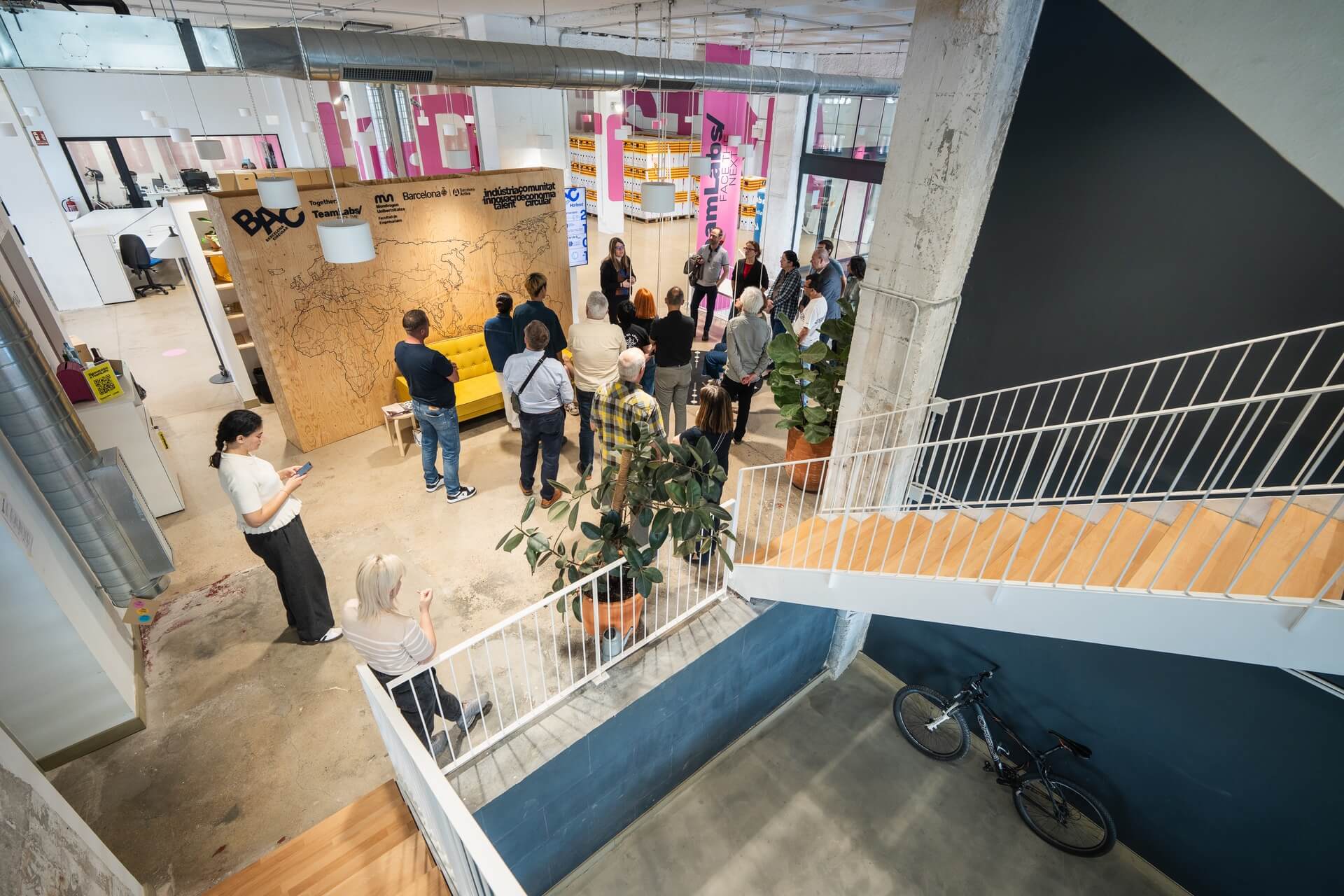
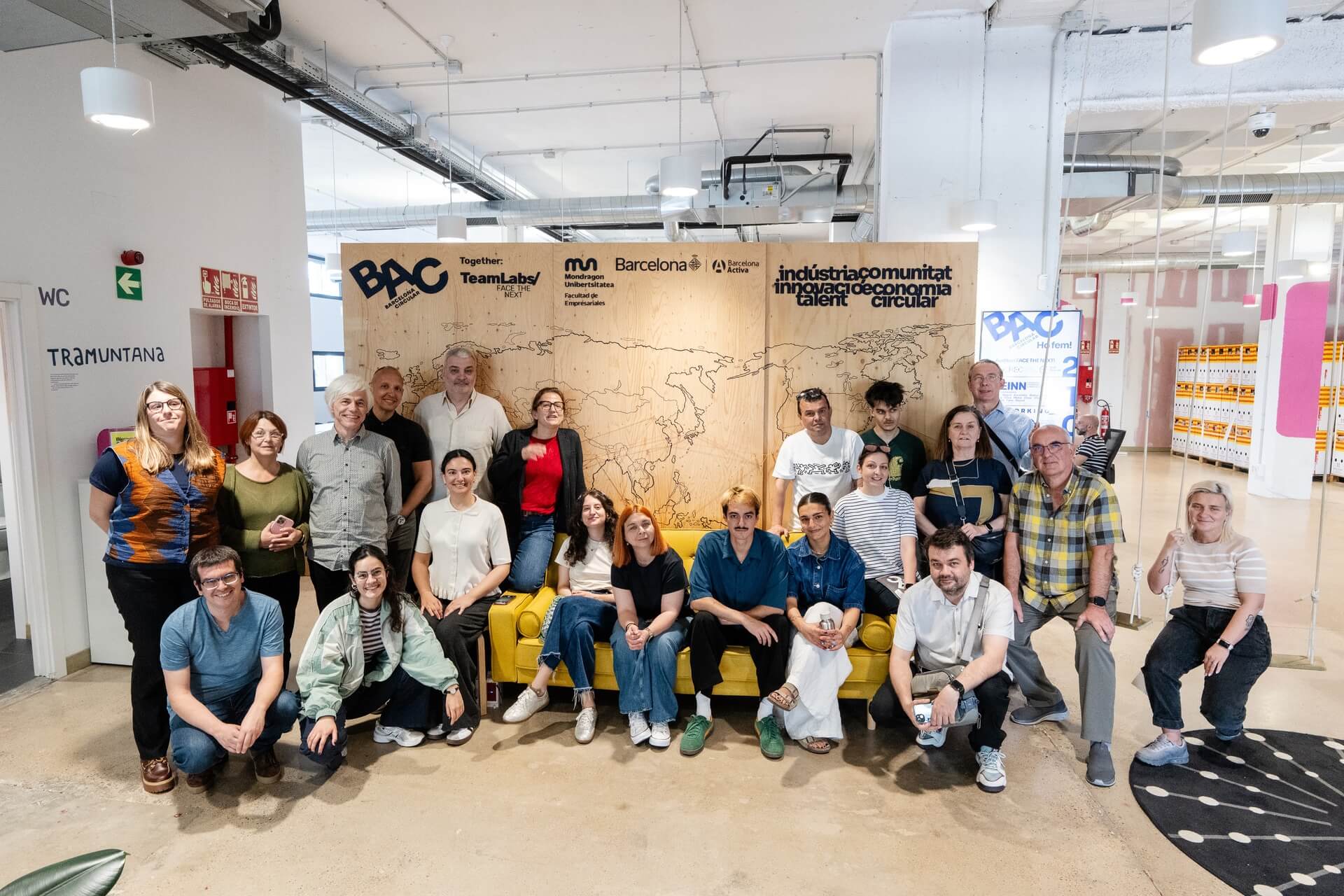
Barcelona Circular (BAC) Laboratory for entrepreneurship and innovation in the circular economy, open to the city. |
Laura Camprubí Aina Izquierdo i Viladiu |
Carrer de la Ciutat d’Asuncion, 14, |
|
13:00 – 14:00 |
Travel to Bit Habitat |
All Participants |
Carrer de Pere IV, 362, |
|
14:00 – 15:00 |
Lunch |
|
|
|
15:00 – 16:00 |
Bit Habitat BIT Habitat promotes urban innovation to respond to the social, economic, technological and environmental challenges facing our city. |
Laura Camprubí |
Carrer de Pere IV, 362, |
|
16:00 – 17:30 |
Workshop: Presentation and Validation of the final Green building portfolio |
Ralf Sachsenmaier Feedback from participants |
|
|
19:00 – 21:00 |
Tapas Tour |
Laura Camprubí |
Ciutat Vella |
Wednesday, 22 April 2026
|
09:00 – 10:00 |
Travel to Vall del Carme |
Laura Camprubí |
Meeting point: |
|
10:00 – 14:00 |
Visit la Vall del Carme |
Trip through la Vall del Carme |
|
|
14:00 – 15:30 |
Lunch |
|
|
|
15:30 – 17:30 |
Workshop |
Laura Camprubí |
|
|
18:00 – 19:00 |
Return to Barcelona |
Returning point: |
Thursday, 23 April 2026
|
09:00 – 13:00 |
Manufacturing athenaeums are a public service that promotes the dissemination of digital manufacturing technology and science. |
Aina Izquierdo i Viladiu |
Pg. de Salvat Papasseit, 1, |
|
after 13:00 |
Lunch |
|
|
|
after lunch |
Free time – Sant Jordi Afternoon |
|
|
Friday, 24 April 2026
|
09:30 – 11:00 |
Workshop – Bloc4 Work plan and activities to design a vision as a solution for a problem identified by the project partners in Barcelona Draft vision for the local case- conclusion and tasks assignment |
All Participants |
Carrer de la Constitució, 19, |
|
11:00 – 12:00 |
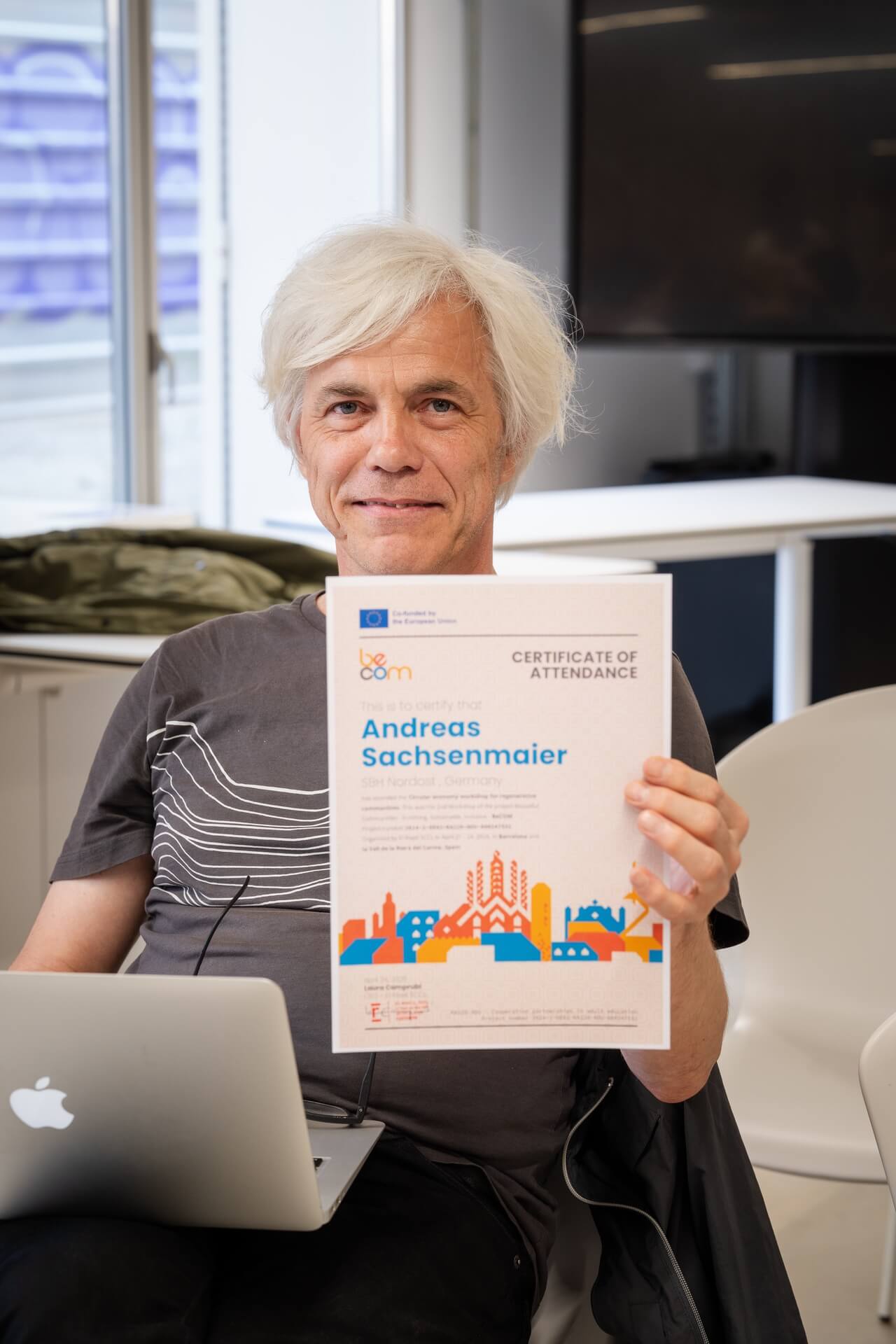
Certificates of attendance & Meeting Evaluation Management and financial rules for intermediate report |
Laura Camprubí Aina Izquierdo i Viladiu Liviana Marinescu |
|
|
after 12:00 |
Lunch |
|
|
Interactive Sessions and Practical Engagement
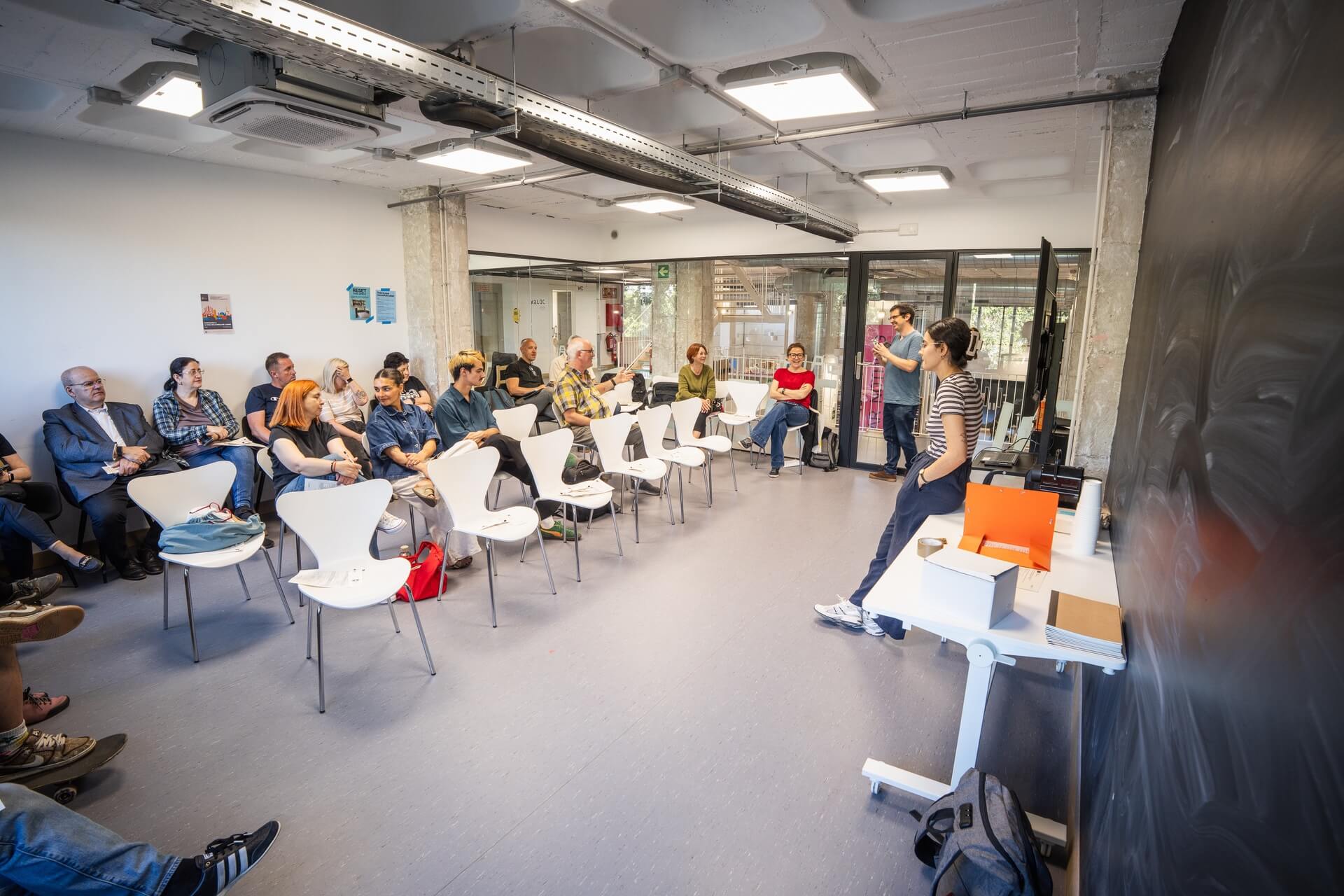
The programme combined project presentations, co-design workshops, guided visits and practical observation. Participants reviewed BeCom learning materials, validated the Green Building portfolio, discussed local challenges and developed ideas for a future vision case.
The learning pathway deliberately connected different scales and contexts: Casa Bloc introduced social architecture and collective living; Barcelona Circular and BIT Habitat focused on urban innovation and circular entrepreneurship; La Vall de la Riera del Carme provided a real regeneration case outside Barcelona; La Fàbrica del Sol on 23 April connected digital fabrication with sustainability and circular learning; and the final session at Bloc4 on 24 April brought the experiences together through co-design, evaluation and reflection.
Focus 1 | Casa Bloc – Social Architecture and Community
The workshop began with an optional visit to Casa Bloc in Barcelona. The residential complex, developed in the 1930s, is an important example of Catalan rationalist architecture and socially oriented housing. Its design placed emphasis on daylight, ventilation, collective circulation and shared open space.
For BeCom, Casa Bloc created a useful starting point for discussing how architecture can respond simultaneously to social needs, quality of life, efficient use of space and community development. It also connected the Spanish workshop with the wider BeCom interest in architecture, inclusive design and the principles later associated with the New European Bauhaus.

Focus 2 | Circular Innovation in Barcelona
The second thematic focus explored the city as a laboratory for circular and sustainable innovation. At Barcelona Circular (BAC), participants encountered a hub dedicated to circular economy, industrial transformation, entrepreneurship, talent and collaboration. The workshop agenda describes BAC as a laboratory for entrepreneurship and innovation in the circular economy, open to the city.
The programme then continued at BIT Habitat. Its urban innovation approach addresses social, economic, technological and environmental challenges through co-creation, experimentation and collaboration between multiple actors. During this part of the workshop, participants also presented and validated the final BeCom Green Building portfolio.
A further practical dimension was provided on 23 April by La Fàbrica del Sol Digital Fabrication Centre, part of Barcelona’s network of Ateneus de Fabricació. The centre links digital fabrication with sustainability, eco-design, circular economy and responsible resource use. Technologies such as 3D printing, laser cutting, CNC machining and textile fabrication are used not only to make objects, but also to rethink how products can be designed, repaired, adapted and reused.
|
Three complementary perspectives Barcelona Circular (BAC) – Barcelona Activa: circular entrepreneurship and new business models: https://www.barcelonactiva.cat/en/pols-activitat-economica BIT Habitat – official website: urban innovation, co-creation and experimentation: https://bithabitat.barcelona/ La Fàbrica del Sol: eco-design, material reuse, digital fabrication and hands-on circular learning: La Fàbrica del Sol – Ateneu de Fabricació Digital |
Focus 3 | La Vall de la Riera del Carme – Regeneration and the Local Vision Case
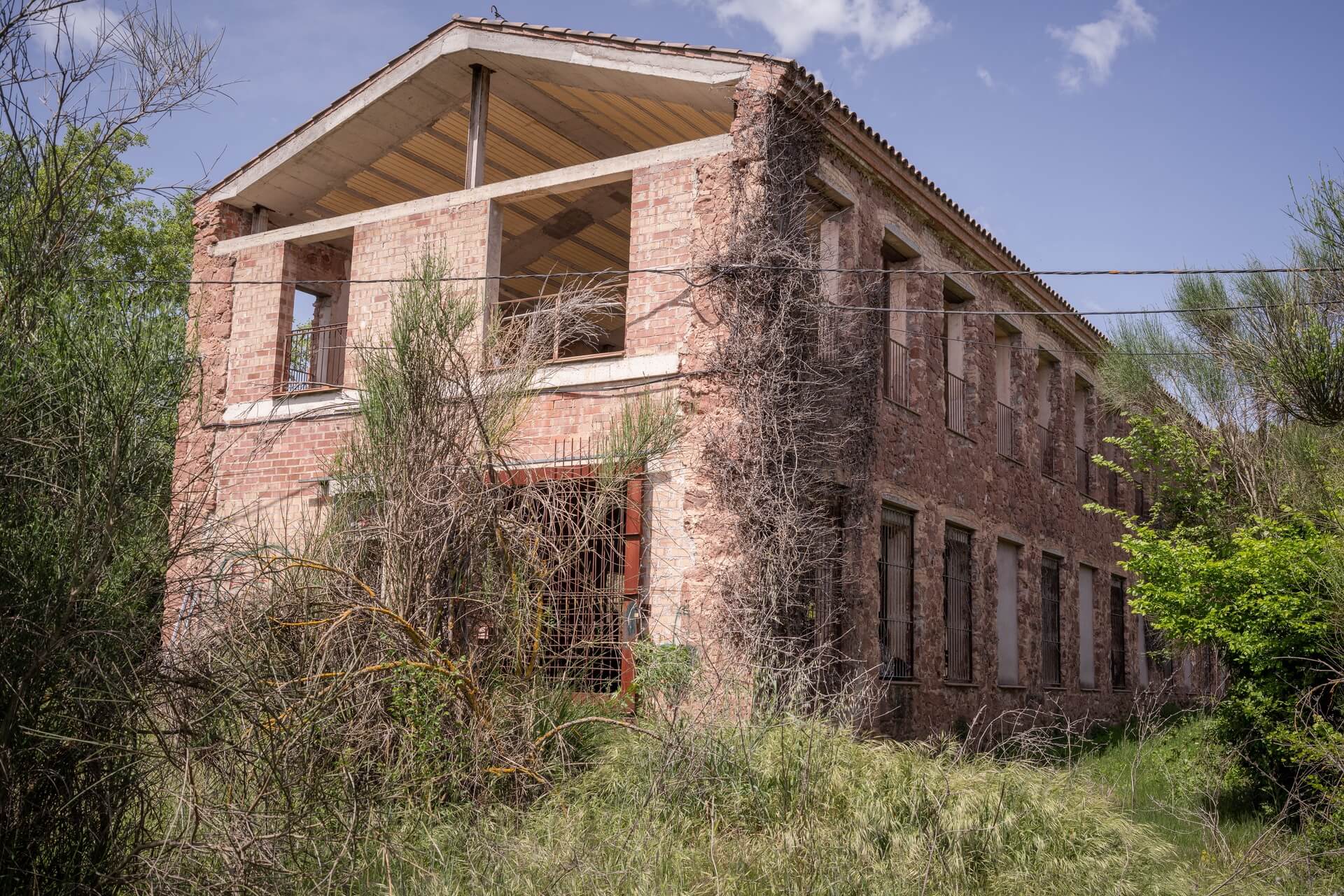
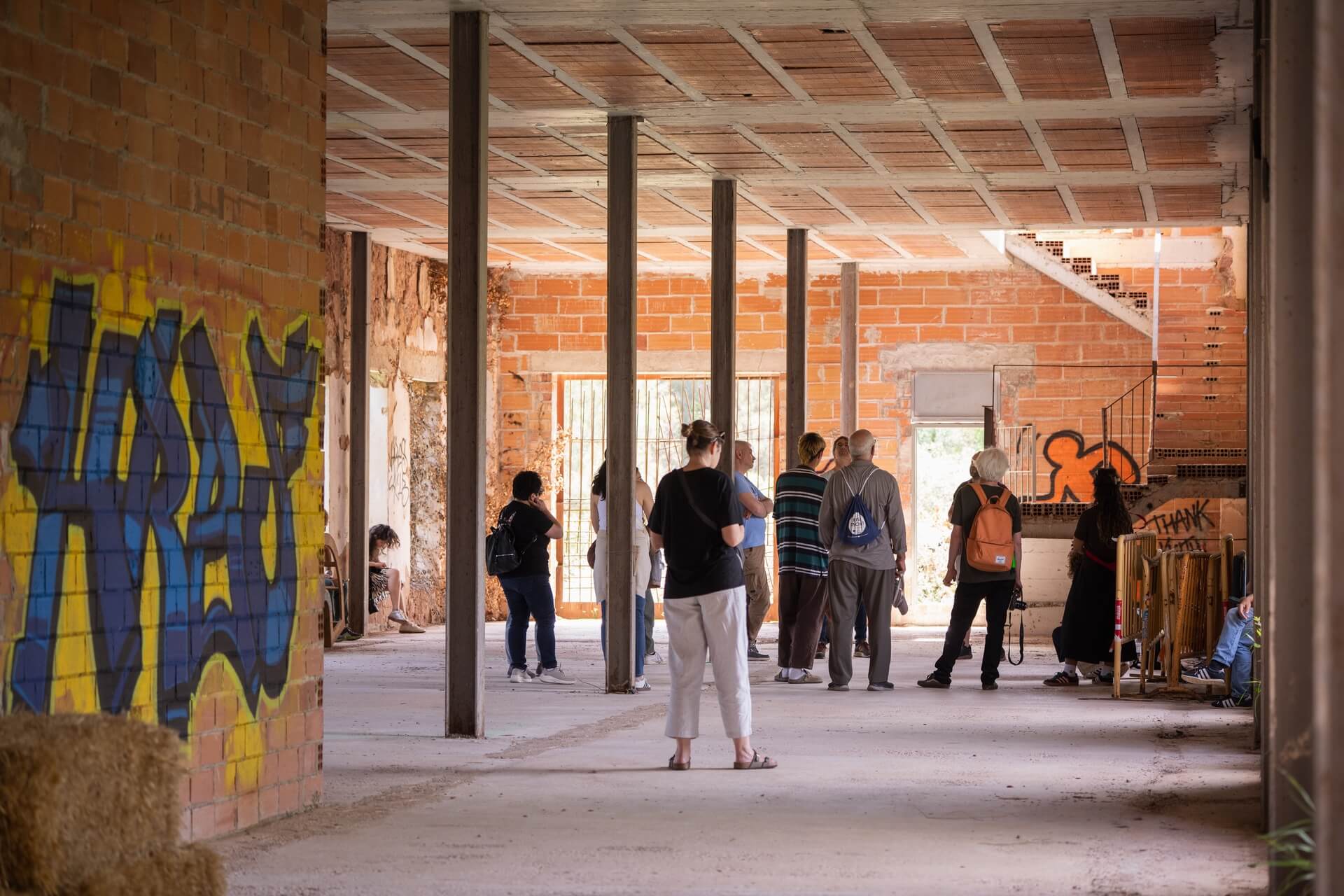
A major part of the workshop took participants outside Barcelona to La Vall de la Riera del Carme. The field visit shifted attention from established urban innovation spaces to an existing local site with visible potential for transformation.
Instead of starting from a new development, participants examined the existing place as a resource: its building fabric, landscape, local identity and possible future uses. The site became the workshop’s local vision object and supported discussion about adaptive reuse, regeneration, new community functions and circular use of existing assets.
Core circular-economy idea
The most sustainable resource can often be the building, material or place that already exists. Regeneration therefore begins by asking what can be retained, adapted, repaired or given a new function.
Questions explored during the vision process
- Which existing qualities of the site should be preserved?
- Which new social, educational or community functions could be introduced?
- How can reuse reduce material consumption and environmental impact?
- How can local stakeholders become part of the transformation process?
- How can the vision become a transferable adult-learning example?
Focus 4 | La Fàbrica del Sol – Hands-on Circular Learning
On 23 April, the workshop combined a practical upcycling exercise with a visit to La Fàbrica del Sol Digital Fabrication Centre in Barcelona. Before the visit, participants used a self-milled BeCom logo as a reusable stencil and sprayed the project logo onto textile. This simple activity turned circular economy into something tangible: an existing textile received a new function, while the reusable stencil demonstrated how digital fabrication can support small-scale, repeatable and resource-conscious production.
The activity was carried out as part of the visit to La Fàbrica del Sol and directly illustrated the centre’s good-practice approach. The centre promotes learning, experimentation and innovation through digital fabrication and places particular emphasis on eco-design, circular economy, material reuse, energy awareness and responsible resource use.
Why this practical example matters
- The milled stencil can be reused instead of producing a new single-use printing tool each time.
- Existing textile can be upgraded or repurposed rather than discarded.
- Digital fabrication enables precise local production with controlled material use.
- The exercise connects design, making, communication and environmental awareness.
- Participants experience circular economy as a practical learning process, not only as theory.
Connection to the BeCom Good Practice
The BeCom good-practice study describes La Fàbrica del Sol as a public space where citizens can use technologies such as 3D printing, laser cutting, CNC machining and textile fabrication while learning to rethink how objects are designed, produced, repaired and reused. The centre therefore demonstrates how technology can become a tool for environmental awareness, social innovation and community learning.
For the BeCom training approach, the transferable lesson is clear: sustainability learning becomes more effective when participants can work directly with materials and tools, test an idea, reuse existing resources and reflect on the environmental consequences of design and production choices.
Further information: La Fàbrica del Sol – Ateneu de Fabricació Digital
Focus 5 | Co-design, Transfer and Workshop Outcomes
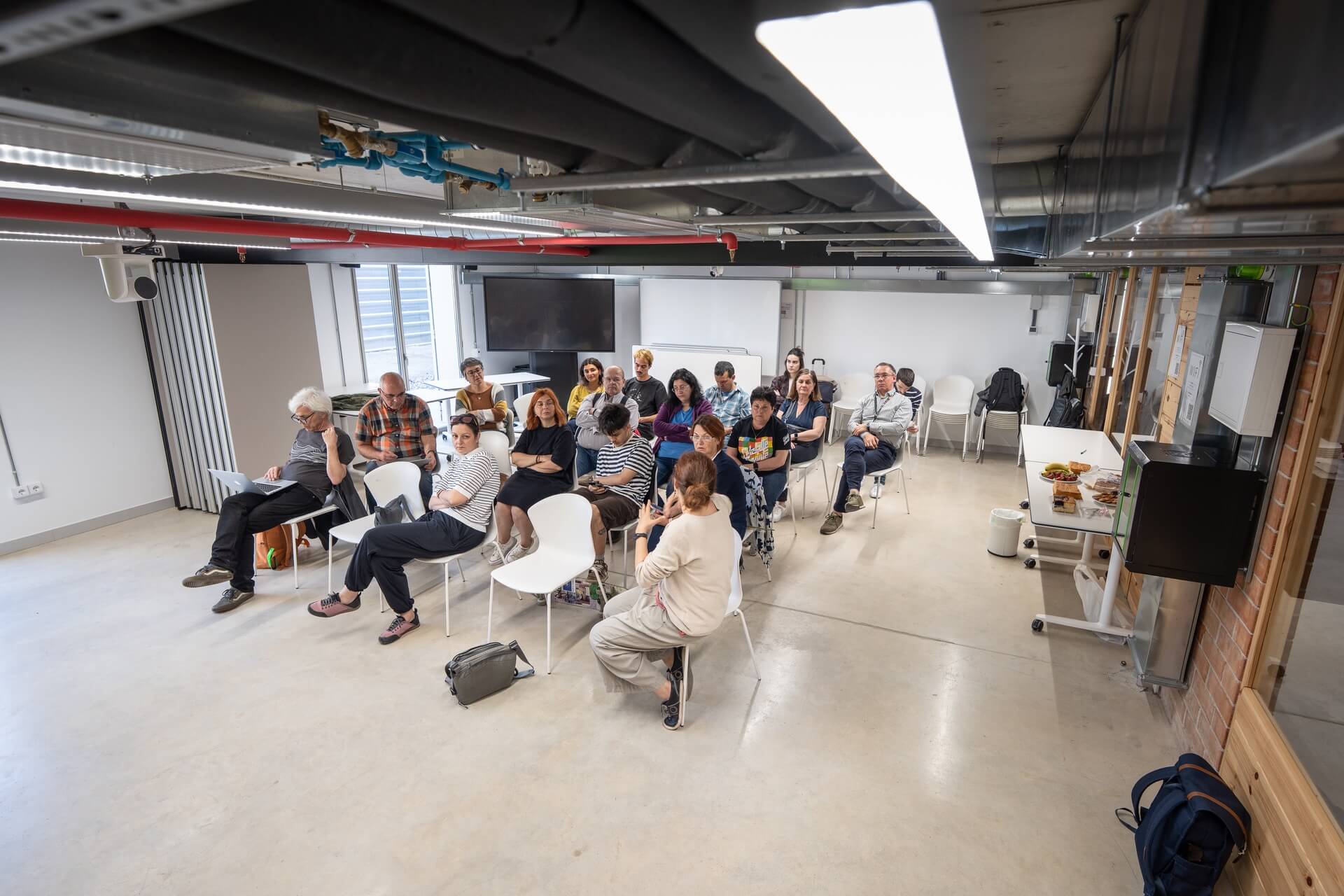
The final workshop phase took place at Bloc4 in Barcelona on 24 April. Participants worked on a draft vision responding to a local challenge and brought together the lessons from social architecture, circular innovation, regeneration and practical fabrication. The exercise moved the group from observation and analysis toward co-design, decision-making, evaluation and transfer into future BeCom learning materials.
Across the five days, the workshop followed a clear learning logic: participants first observed and compared real places, then discussed circular strategies, tested project materials, completed a practical upcycling activity, experienced La Fàbrica del Sol as a good-practice example, and finally translated their findings into a shared vision at Bloc4.
Workshop learning cycle
OBSERVE → ANALYSE → COMPARE → DISCUSS → CO-DESIGN → TRANSFER
The Spain workshop demonstrated that circular economy is broader than waste management. It includes extending the useful life of buildings and places, supporting local and digital production, developing new uses for existing structures, strengthening cooperation between citizens and institutions, and turning local challenges into learning opportunities.
The experiences in Barcelona and La Vall de la Riera del Carme contributed directly to BeCom’s objective of developing transferable educational materials for adult learners, educators, municipalities, NGOs and community organisations across Europe.
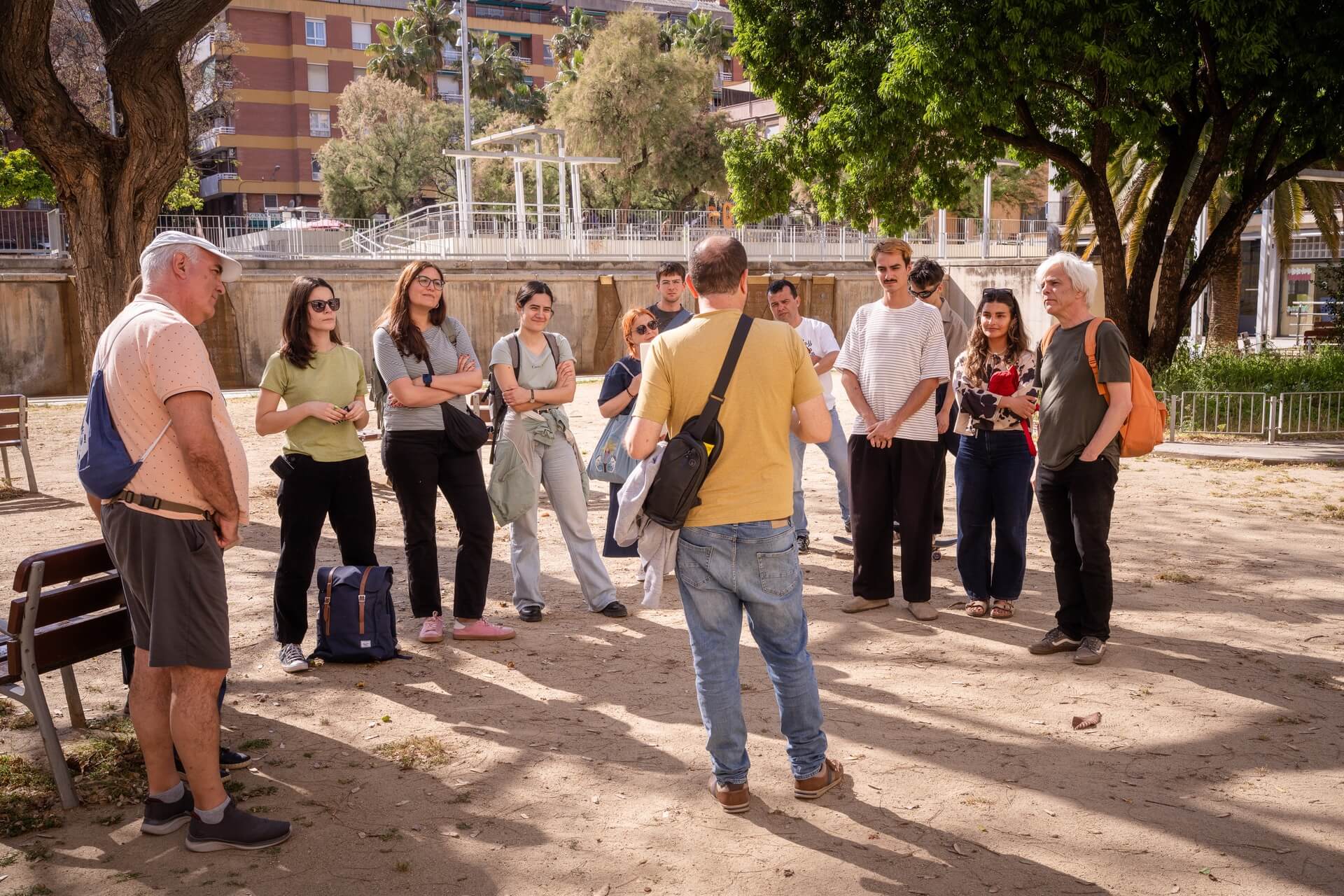
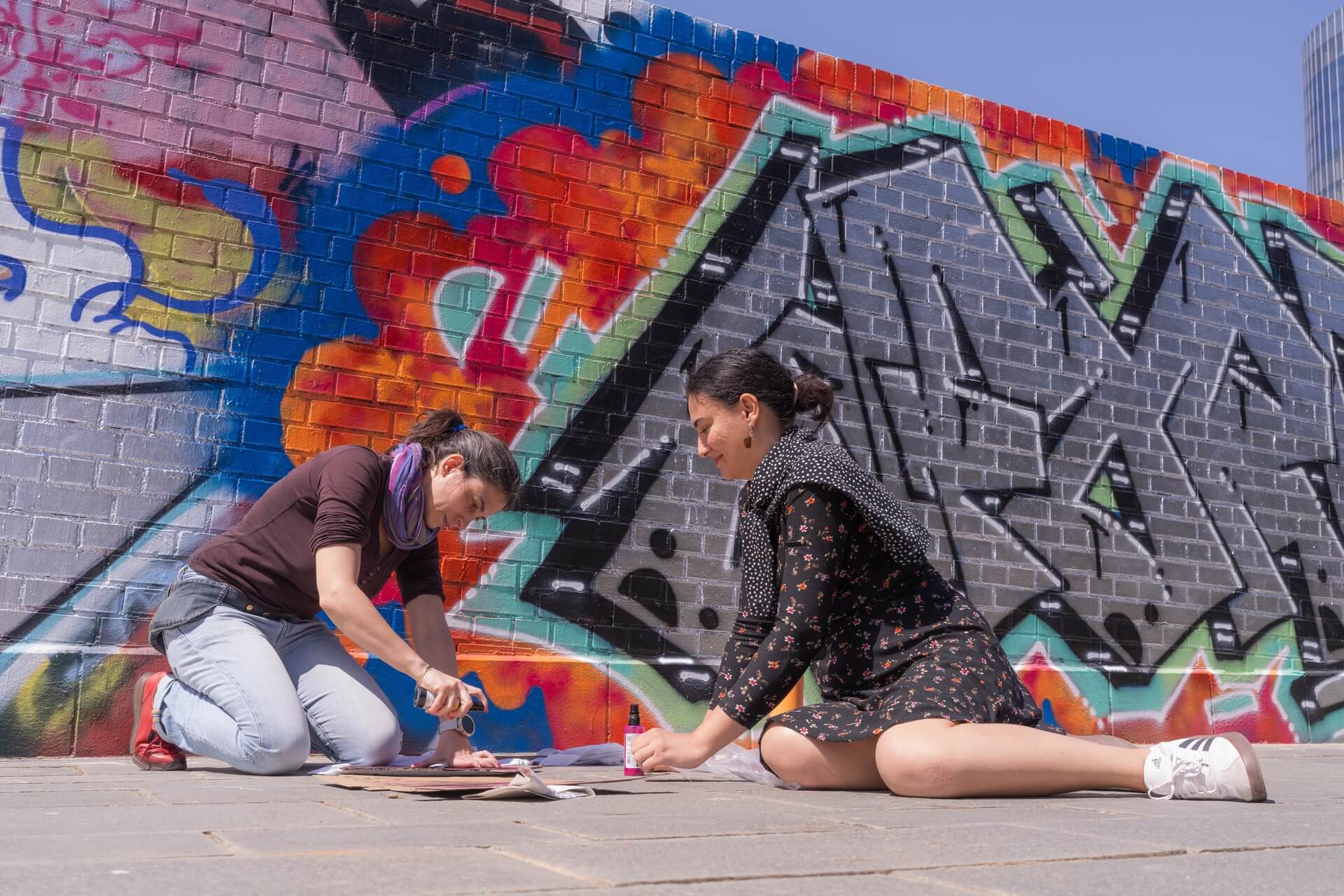
All workshop photographs used on this page are own project photographs provided by the BeCom project team. External factual information is paraphrased and linked to the respective official sources. Organisation names, trademarks and website content remain the property of their respective owners.
Discover the full story behind the BeCom international workshop and explore how sustainable communities are being shaped across Europe. Download our latest newsletter now and stay informed on the project’s innovative journey towards greener, more inclusive futures.
Entdecken Sie die ganze Geschichte hinter dem internationalen BeCom-Workshop und erfahren Sie, wie in ganz Europa nachhaltige Gemeinschaften entstehen. Laden Sie jetzt unseren aktuellen Newsletter herunter und bleiben Sie auf dem Laufenden über den innovativen Weg des Projekts hin zu einer grüneren und inklusiveren Zukunft.
Descoperiți întreaga poveste din spatele atelierului internațional BeCom și aflați cum se conturează comunitățile durabile în întreaga Europă. Descărcați chiar acum cel mai recent buletin informativ al nostru și rămâneți la curent cu parcursul inovator al proiectului către un viitor mai ecologic și mai incluziv.
Ανακαλύψτε όλη την ιστορία πίσω από το διεθνές εργαστήριο BeCom και μάθετε πώς διαμορφώνονται οι βιώσιμες κοινότητες σε όλη την Ευρώπη. Κατεβάστε τώρα το τελευταίο μας ενημερωτικό δελτίο και μείνετε ενήμεροι για την καινοτόμο πορεία του έργου προς ένα πιο πράσινο και πιο χωρίς αποκλεισμούς μέλλον.
Descubre toda la historia que hay detrás del taller internacional de BeCom y descubre cómo se están configurando las comunidades sostenibles en toda Europa. Descarga ya nuestro último boletín y mantente al día sobre el innovador recorrido del proyecto hacia un futuro más ecológico e inclusivo.
Otkrijte celu priču iza međunarodne radionice BeCom i istražite kako se širom Evrope oblikuju održive zajednice. Preuzmite naš najnoviji bilten sada i ostanite u toku sa inovativnim putovanjem projekta ka zelenijim i inkluzivnijim budućnostima.
